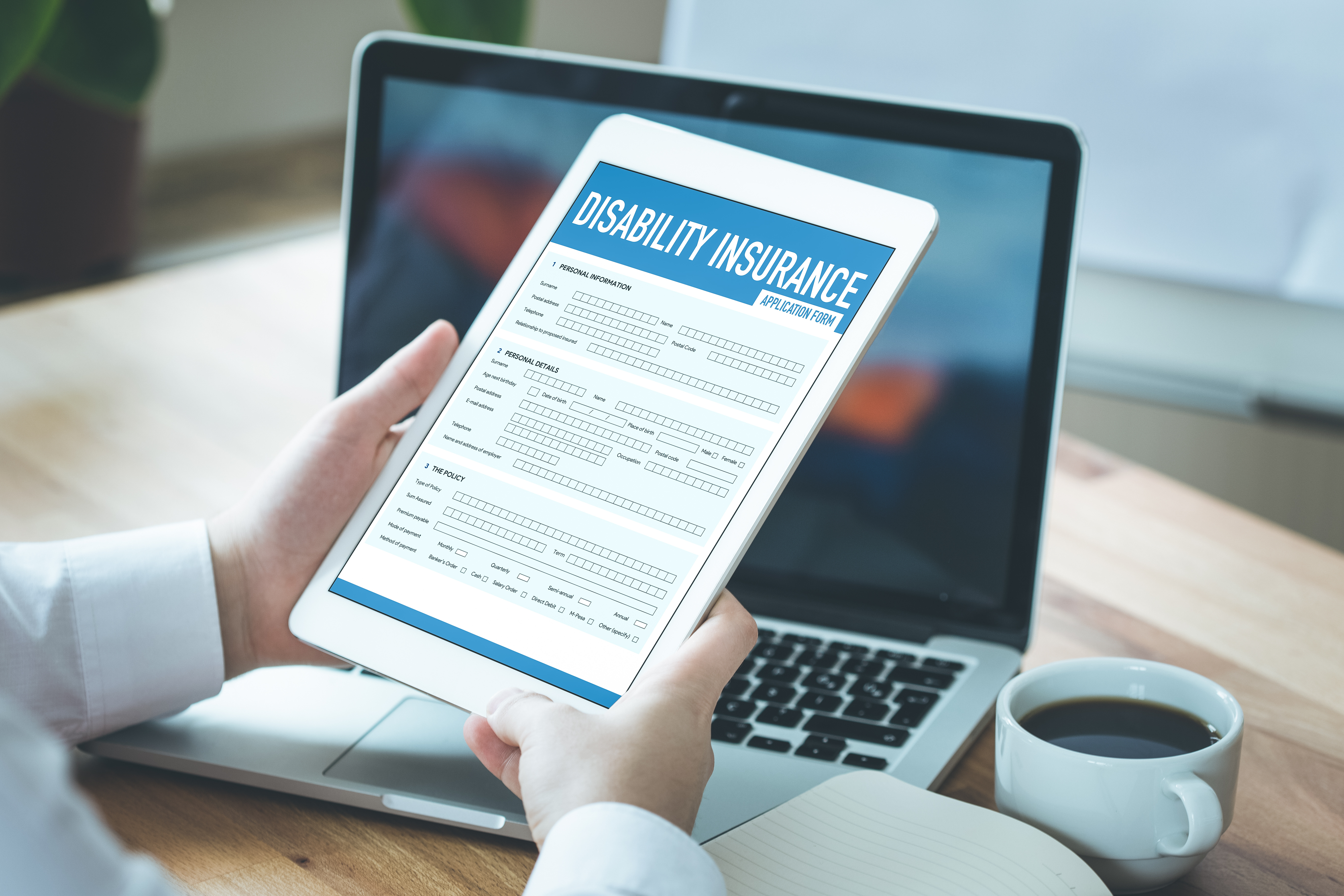
Ensuring Financial Security in the Face of Unforeseen Challenges

In a world filled with uncertainties, one aspect that often goes overlooked is the potential for unexpected health challenges that can impact our ability to work. Disability insurance emerges as a crucial safeguard, offering a financial safety net to individuals facing unforeseen circumstances.

Disability insurance provides protection for workers who find themselves unable to perform their job duties due to illness or injury. While many individuals recognize the importance of life insurance, the significance of disability insurance is often underestimated.

Here are some key reasons why disability insurance should be a priority for everyone:

Financial Stability During Health Challenges

Imagine a scenario where an unexpected accident or illness leaves you unable to work for an extended period. Disability insurance steps in to provide a portion of your income, ensuring that you can meet your financial obligations, such as mortgage payments, utility bills, and daily living expenses.

Protecting Your Most Valuable Asset – Your Income

For most individuals, their ability to earn a living is their most valuable asset. Disability insurance acts as a shield for your income, offering peace of mind knowing that, even in challenging times, you can maintain a certain level of financial stability.

Peace of Mind for You and Your Loved Ones

Knowing that you have a safety net in place can alleviate the stress and anxiety that often accompany unexpected health challenges. Disability insurance not only benefits you but also provides reassurance to your loved ones that their financial well-being is secured in the event of unforeseen circumstances.

Employer Coverage Might Not Be Enough

While some employers offer disability coverage as part of their benefits package, it’s crucial to assess whether the provided coverage is sufficient for your needs. Personal disability insurance allows you to tailor coverage to your specific circumstances, ensuring that you have the protection you require.

Planning for the Long Term

Disability insurance is not just a short-term solution; it provides long-term support if you face a disabling condition that requires an extended period away from work. This long-term perspective makes disability insurance an integral part of your overall financial planning.

In conclusion, disability insurance is a valuable investment in your financial security and well-being. It offers a safety net that can make a significant difference in your ability to navigate unforeseen health challenges without compromising your financial stability. As the saying goes, “hope for the best, but prepare for the worst.” Disability insurance is a proactive step towards securing a stable and worry-free future. If you need help picking the right disability insurance plan please feel free to reach out, drop me a line, or give me a call and we can find you the best plan. Otherwise and as usual keep smiling cause it really looks good on you!

Long-Term Care Awareness Month: The Importance of Planning your Future

Long Term Care Awareness Month is the perfect time to shed light on the importance of planning for your future well-being. As we go through life, it’s easy to overlook the possibility that we may require assistance with daily activities as we age. However, the reality is that long-term care services might become a necessity for many of us.

  • Changing Demographics: The aging population is increasing, and with longer life expectancies, the need for long-term care is becoming more prevalent. Highlighting these demographic shifts can emphasize the importance of being prepared for the potential challenges that come with aging. As of 2021, around 16.5% of the U.S. population is aged 65 and older. This number is expected to increase significantly in the coming decades.
  • Financial Protection: Long-term care can be expensive, and without proper planning, it could significantly impact your financial stability. Discussing the financial aspects of long-term care and how planning ahead can provide a safety net for your assets is crucial. While the ownership of long-term care insurance has decreased in recent years, it remains an essential tool for financial planning. In 2020, approximately 7.2 million Americans were covered by long-term care insurance policies
  • Preserving Independence: Long-term care doesn’t just mean nursing homes. It can encompass a range of services that allow individuals to age gracefully in their own homes. Emphasizing the importance of maintaining independence and the role of long-term care in enabling this can be a powerful motivator. There is a growing preference for home and community-based services. As of 2018, about 4.5 million people received these services, allowing them to age in place.
  • Family Dynamics: Long-term care can also affect your family members. Discussing the potential impact on your loved ones and how planning ahead can ease the burden on them emotionally and financially can be a persuasive argument. It is estimated that approximately 70% of individuals turning 65 will require some form of long-term care services in their lifetime.
  • Peace of Mind: Knowing that you have a plan in place for your long-term care needs can provide peace of mind. It allows you to focus on enjoying your retirement and the later stages of life without the constant worry about what might happen if you need assistance.
  • Healthcare System Considerations: Exploring the strain on the healthcare system due to the increasing demand for long-term care services can underscore the importance of individual responsibility in planning for one’s future care needs. The cost of long-term care can vary, but on average, a private room in a nursing home can cost over $100,000 per year. In-home care services can also be expensive, with costs varying based on the level of assistance needed.
  • Educational Resources: Use Long Term Care Awareness Month as an opportunity to provide educational resources. Share information about different long-term care options, how they work, and steps individuals can take to prepare for their future care.

Remember, the key is to approach the topic with a positive and proactive mindset. Long-term care planning is an investment in your future well-being, and creating awareness during this month can inspire others to take the necessary steps to ensure a secure and comfortable retirement. If you need help obtaining a policy give me a shout, drop me a line or give me a call and I would be happy to help you find the right policy..

Why Managing your Health Can Help you Create Wealth

Investing in your health is akin to cultivating a fertile soil for the seeds of wealth to thrive. A robust state of well-being serves as the cornerstone for a prosperous life. When you prioritize your health, you’re making strategic decisions that ripple through every aspect of your financial landscape. Consider the productivity gains that emerge from sustained energy and mental clarity. By managing your health, you enhance your ability to perform at peak levels, whether in your career, entrepreneurial pursuits, or personal projects. This heightened productivity translates into tangible financial gains, as you become more efficient and effective in your endeavors, opening doors to advancement and increased income. Taking charge of your health isn’t just about feeling good—it’s a smart financial move too. Let’s break it down.

  1. Preventive Care Saves Money:
    • Regular health check-ups and preventive measures can catch potential issues early on, saving you from hefty medical bills down the road. Investing in preventive care is like putting money in a health savings account for the future.
  2. Reduced Medical Expenses:
    • Chronic conditions often come with high healthcare costs. By managing your health, you’re less likely to develop these conditions, reducing the financial burden associated with long-term medical care.
  3. Productivity Boost:
    • When you’re healthy, you’re more productive. Whether it’s at work or in your personal projects, being physically and mentally fit enables you to perform at your best. This can lead to career advancements, promotions, and increased income.
  4. Lower Insurance Premiums:
    • Maintaining good health can translate into lower health insurance premiums. Insurance providers often reward individuals with healthy lifestyles by offering lower rates. Over time, these savings can add up significantly.
  5. Longer Working Years:
    • Good health can extend your working years. If you’re able to stay in the workforce for a more extended period, you not only continue earning but also delay tapping into your savings for retirement.
  6. Quality of Life:
    • Wealth isn’t just about the money in your bank account; it’s also about the quality of life you lead. Good health contributes to a higher quality of life, allowing you to enjoy your wealth more fully.
  7. Mind-Body Soul Connection:
    • Mental health is a crucial aspect of overall well-being. A healthy mind is better equipped to handle stress, make sound financial decisions, and pursue opportunities that can contribute to your wealth.
  8. Economic Downturn Resilience:
    • During economic downturns or personal financial setbacks, good health can be a safety net. It reduces the likelihood of incurring additional medical expenses during already challenging times.
  9. Investing in Healthy Habits:
    • Healthy habits, such as regular exercise and a balanced diet, may seem like small expenses, but they’re investments in your long-term well-being. The returns on these investments can be seen in both your health and your financial stability.
  10. Opportunity Costs:
    • Illness often comes with opportunity costs. Time spent recovering or dealing with health issues is time not spent pursuing career opportunities, investments, or personal growth.

In essence, managing your health is a wise financial strategy. It not only safeguards your current assets but also lays the foundation for future wealth by ensuring you’re physically and mentally equipped to seize opportunities and navigate the challenges life throws your way. A healthy lifestyle is a prudent investment with compounding returns. The preventive measures you take today, such as preventative care, quality of life and healthy habits shield you from the escalating costs of potential health issues in the future. These measures not only reduce medical expenses but also contribute to an extended and more productive career. The longevity of your working years translates into a longer runway for wealth accumulation and delayed reliance on retirement funds. In essence, managing your health is a proactive strategy that not only safeguards your current financial well-being but lays the groundwork for sustained wealth creation over the long haul. I help people make better longterm decisions and if you have any additional strategies that your using to balance your health while creating wealth, please share. Otherwise, and as always keep smiling and living healthy, as it really does look good on you.