In a Volatile World, Disability Insurance Offers Crucial Protection

In an unpredictable world where unforeseen circumstances can disrupt livelihoods in an instant, the significance of disability insurance cannot be overstated. Beyond traditional health coverage, disability insurance serves as a financial safety net, offering protection against the economic ramifications of unexpected disabilities or injuries. As individuals and families navigate the complexities of modern life, understanding the importance of disability insurance has become paramount.

Disability insurance provides a source of income replacement for individuals who are unable to work due to a disabling illness or injury. Whether temporary or permanent, such conditions can profoundly impact one’s ability to earn an income, thereby jeopardizing financial stability. In such instances, disability insurance steps in to bridge the gap, ensuring that essential expenses are covered and maintaining a semblance of financial security.

The need for disability insurance extends across all demographics. Contrary to popular belief, disabilities are not solely the result of catastrophic events but can also stem from chronic illnesses, mental health conditions, or even routine accidents. Moreover, disabilities can strike anyone at any time, irrespective of age or occupation. Therefore, having adequate disability insurance coverage is essential for safeguarding one’s financial future.

For individuals reliant on their income to support themselves and their families, the absence of disability insurance can lead to dire consequences. Without a steady stream of income, meeting financial obligations such as mortgage payments, utility bills, and medical expenses can become daunting tasks. In the absence of proper coverage, individuals may be forced to exhaust savings, liquidate assets, or even incur significant debt to make ends meet.

Furthermore, disability insurance offers peace of mind not only to policyholders but also to their loved ones. By mitigating the financial strain associated with disabilities, it alleviates the burden on family members who may otherwise be tasked with providing care or financial support. In doing so, disability insurance helps preserve familial relationships and promotes overall well-being.

Despite its undeniable importance, disability insurance remains overlooked by many. According to a survey conducted by the Council for Disability Awareness, nearly half of all U.S. adults lack any form of disability insurance, leaving them vulnerable to financial hardship in the event of a disability. Addressing this gap requires increased awareness and proactive measures to encourage individuals to prioritize disability insurance as an integral component of their financial planning.

In light of the ongoing COVID-19 pandemic and its widespread impact on public health and employment, the need for disability insurance has never been more apparent. The pandemic has underscored the fragility of our health and livelihoods, emphasizing the importance of preparing for unforeseen circumstances. As individuals reassess their priorities and plan for an uncertain future, disability insurance offers a practical solution for mitigating financial risks and ensuring long-term security.

Disability insurance serves as a vital lifeline for individuals and families, offering protection against the economic ramifications of disabilities or injuries. By providing income replacement and alleviating financial strain, disability insurance fosters resilience in the face of adversity. As society grapples with an increasingly volatile landscape, recognizing the importance of disability insurance is imperative for securing a stable and prosperous future.

Maneuvering through the Obstacles Seniors Face in Today’s Society

As our society continues to evolve, the challenges faced by seniors have become increasingly complex. From healthcare to technology, seniors encounter various obstacles that can significantly impact their quality of life. In this article, I’ll dive into some of the prominent hurdles faced by seniors and explore potential solutions to address these issues.

  1. Healthcare Access and Affordability: One of the foremost challenges seniors grapple with is access to affordable and comprehensive healthcare. As medical costs soar, many seniors find themselves struggling to afford necessary medications, treatments, and even routine check-ups. Limited mobility and transportation difficulties can exacerbate this issue, making it harder for seniors to access the care they need.
    • Solution: Community outreach programs, increased availability of home healthcare services, and advocacy for affordable healthcare policies can contribute to a more accessible and affordable healthcare system for seniors.
  2. Technological Barriers: In an era dominated by technology, seniors often face challenges in adapting to new devices and digital platforms. From online banking to virtual healthcare appointments, the digital divide can isolate seniors and hinder their ability to connect with the modern world.
    • Solution: Implementing user-friendly technology, providing digital literacy programs for seniors, and encouraging intergenerational tech support can help bridge the technological gap.
  3. Social Isolation: Seniors may experience social isolation due to factors such as the loss of friends and family members, physical limitations, or the lack of community engagement. Loneliness and social isolation can have detrimental effects on mental and physical well-being.
    • Solution: Creating community centers, organizing social activities for seniors, and fostering intergenerational connections can combat social isolation and enhance the overall quality of life for older adults.
  4. Financial Insecurity: Many seniors face financial challenges, including a fixed income, rising living costs, and the potential depletion of retirement savings. Economic instability can limit seniors’ ability to enjoy their golden years without constant financial worry.
    • Solution: Implementing policies that support affordable housing, providing financial education for seniors, and expanding access to senior-friendly employment opportunities can contribute to financial security in later years.
  5. Transportation Limitations: Limited mobility can restrict seniors’ ability to travel independently, leading to increased dependency on others for transportation. This can hinder access to essential services and social activities.
    • Solution: Developing senior-friendly transportation services, promoting community-based transportation initiatives, and incorporating age-friendly design in urban planning can enhance seniors’ mobility and independence.

Addressing the obstacles faced by seniors requires a multifaceted approach that involves community engagement, policy changes, and technological advancements. By understanding and actively working to overcome these challenges, we can create a more inclusive and supportive society for our aging population. Ask not what a senior can do for you but what you can do for your senior is what we all should be doing. Most importantly, if you have an important senior in your life, remember to tell them you love them and keep smiling cause it really does look good on them. Make it a GREAT DAY!!!

Safeguarding Your Golden Years: The Crucial Role of Insurance in Aging Gracefully

As the years gracefully unfold and we find ourselves navigating the beautiful tapestry of life, one essential aspect often overlooked is the significance of insurance in our golden years. Aging is a natural part of life, and with it come various challenges and uncertainties. However, a well-structured insurance plan can serve as a sturdy pillar of support, providing financial security and peace of mind as we traverse the journey of aging.

  1. Health Insurance: A Cornerstone of Self-Care Health is indeed wealth, especially in the later chapters of life. As we age, the likelihood of facing health issues increases. A comprehensive health insurance plan ensures that medical expenses are not a burden but a manageable aspect of life. Regular check-ups, preventive care, and coverage for unexpected health events become invaluable assets in maintaining a good quality of life.
  2. Long-Term Care Insurance: Planning for the Future With age, the need for assistance with daily living activities may arise. Long-term care insurance plays a pivotal role in covering the costs associated with nursing homes, assisted living facilities, or home healthcare services. By planning ahead and investing in such insurance, individuals can preserve their assets and make informed choices about their care in the future.
  3. Life Insurance: A Legacy of Financial Security Life insurance isn’t just a safety net for the family; it’s a legacy of financial security. It provides a tax-free lump sum to beneficiaries, ensuring that loved ones are not burdened with financial uncertainties in the event of the policyholder’s passing. This financial cushion can be especially important for covering funeral expenses, outstanding debts, or leaving behind an inheritance for future generations.
  4. Income Protection: Safeguarding Retirement Years Retirement is a time to savor the fruits of one’s labor. However, unforeseen events such as disability can disrupt financial stability. Disability insurance provides a regular income if one is unable to work due to illness or injury. This safeguard ensures that the retirement years remain enjoyable and stress-free, even in the face of unexpected challenges.
  5. Property and Liability Insurance: Preserving Your Assets As homeowners or renters age, protecting property and assets becomes crucial. Property insurance safeguards against damages or loss of property due to natural disasters, accidents, or theft. Liability insurance protects against potential legal claims. These insurance types ensure that the years spent acquiring and building a home are not jeopardized by unexpected events.
Photo by Andrea Piacquadio on Pexels.com

In the grand symphony of life, aging is a harmonious movement that deserves to be celebrated. By recognizing the importance of insurance, individuals can orchestrate a future that is not only financially secure but also filled with the joys of a well-lived life. Whether it’s health, long-term care, life, or income protection insurance, each serves as a note in the melody of aging, contributing to a harmonious and worry-free journey into the golden years. So, let’s embrace the wisdom of preparedness and ensure that our later years are a composition of joy, security, and serenity. If you would like additional information on any of the aforementioned strategies, drop me a line or give me a shout, as I would love to help you navigate the maze of insurance products. Remember, until next time to keep smiling cause it really does look good on you.

Navigating Healthcare Costs: A Comprehensive Guide to Understanding Medicare Supplements

In the complex landscape of healthcare, especially for seniors, understanding and managing costs is crucial. Medicare, the federal health insurance program for individuals aged 65 and older, provides essential coverage, but it doesn’t cover all expenses. This is where Medicare Supplements, also known as Medigap, come into play. Let’s delve into the world of Medicare Supplements, supported by statistics to shed light on their significance.

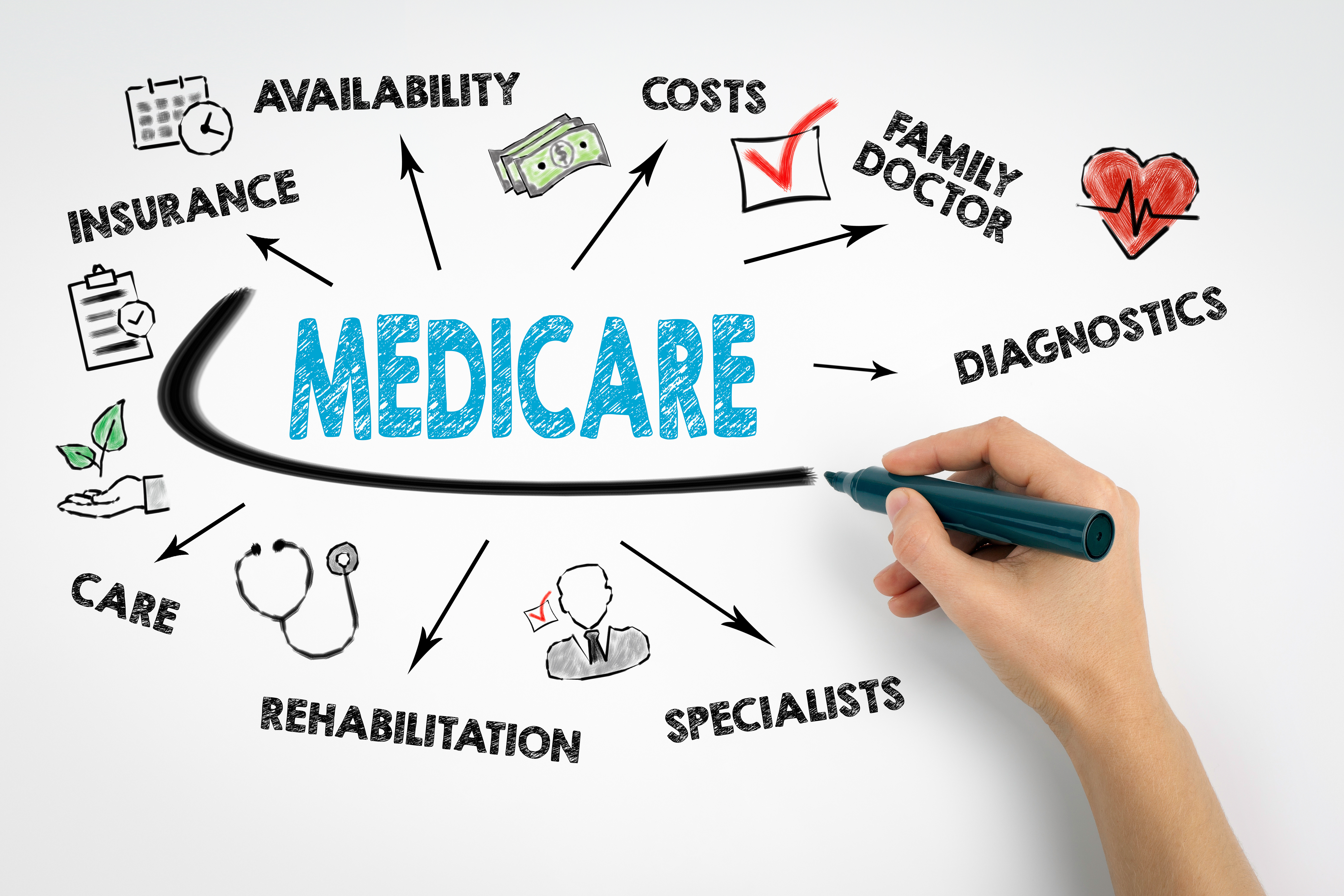
Medicare Conceptual Map

Rising Healthcare Costs: A Growing Concern According to a report by the Kaiser Family Foundation, the average annual premium for a Medicare Part B plan was $1,452 in 2021. With healthcare costs steadily rising, many seniors find it challenging to cover the gaps left by traditional Medicare. Healthcare costs have been rising at an average rate of 4% per year, outpacing inflation and wage growth.

Understanding Medicare Gaps: The Need for Supplements Medicare Parts A and B cover hospital and medical expenses, but there are gaps in coverage, including copayments, deductibles, and coinsurance. Medicare Supplements aim to fill these gaps, providing seniors with more comprehensive coverage. In 2021, the average deductible for Medicare Part B was $203, and the Part A deductible was $1,484 per benefit period.

The Popularity of Medicare Supplements Millions of seniors opt for Medicare Supplements to enhance their healthcare coverage. These plans are offered by private insurance companies and come in standardized packages, labeled from Plan A to Plan N. As of 2021, over 14 million Medicare beneficiaries were enrolled in Medigap plans, accounting for approximately 34% of all Medicare beneficiaries.

Cost Savings with Medigap Plans While Medicare Supplements come with their own premiums, they often result in significant cost savings for beneficiaries in the long run. This is especially true for individuals with frequent healthcare needs. A study by the American Association for Medicare Supplement Insurance found that Medigap Plan G, on average, could save beneficiaries over $1,000 per year compared to other plans.

Comparing Medigap Plans: A Matter of Choice With various Medigap plans available, it’s essential for seniors to choose the one that aligns with their healthcare needs and budget. Each plan offers different coverage options, allowing individuals to tailor their insurance to their specific requirements. In 2021, Plan F and Plan G were the most popular Medigap plans, collectively accounting for more than half of all Medigap enrollments.

As healthcare costs continue to rise, understanding the role of Medicare Supplements becomes increasingly important for seniors seeking comprehensive coverage. With millions of beneficiaries already benefiting from these plans, the statistics highlight the growing significance of Medicare Supplements in ensuring financial security and peace of mind in the realm of healthcare. If you need help picking the right Medicare Supplemental policies, drop me a line, give me a call or shoot me an email, as I would love to help. Otherwise, until next time don’t sweat the little things and keep smiling.