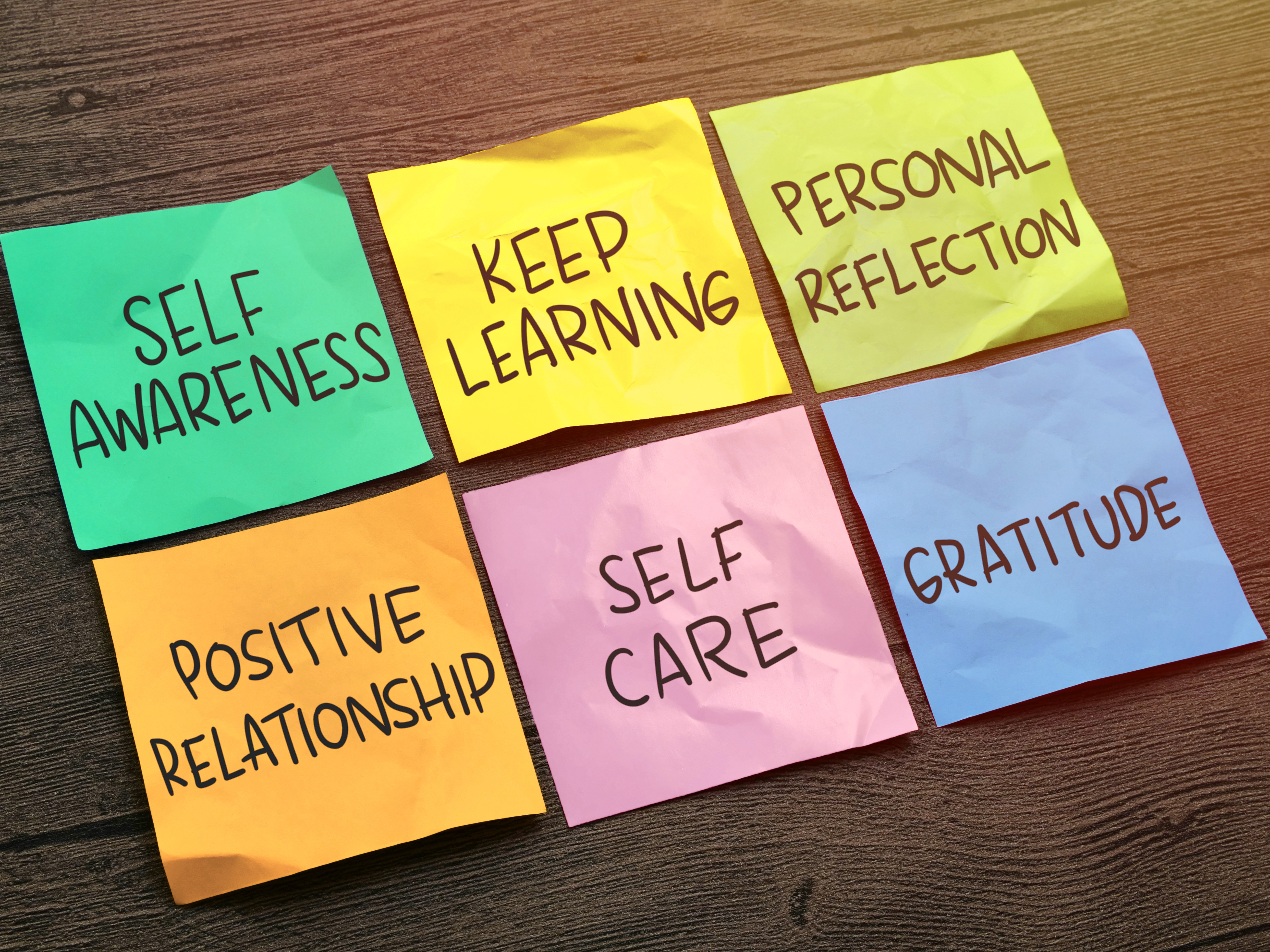
Beginner’s Guide to Zero-Waste Living

With environmental concerns growing more urgent, many people are seeking practical ways to reduce their impact on the planet. One increasingly popular approach involves adopting a zero-waste lifestyle, which focuses on minimizing the amount of trash sent to landfills through conscious, sustainable choices in daily life. Though the concept may sound overwhelming, living zero-waste is more approachable than it seems—even small changes can make a big difference.

What Is Zero-Waste Living?
At its core, zero-waste living is about rethinking consumption and minimizing trash. The goal is to send as little as possible to landfills and incinerators by embracing the 5 R’s: Refuse, Reduce, Reuse, Recycle, and Rot. This means avoiding single-use products, reducing unnecessary purchases, reusing materials, recycling properly, and composting organic waste.

Getting Started: Simple Steps for Beginners
Adopting a zero-waste lifestyle doesn’t require an overnight transformation. Here are some beginner-friendly tips to ease into the process:

  1. Say No to Single-Use Plastics: Replace plastic bags, straws, and utensils with reusable options like cloth bags, stainless steel straws, and bamboo cutlery.
  2. Buy in Bulk: Purchasing grains, nuts, and spices in bulk using your own containers cuts down on packaging waste.
  3. Use a Reusable Water Bottle and Coffee Cup: These two simple changes can prevent hundreds of disposable cups and bottles from entering the waste stream each year.
  4. Shop Secondhand: Thrift stores and online resale platforms are great for finding clothes, furniture, and electronics, all while reducing demand for new products.
  5. Compost Food Scraps: Composting helps divert organic waste from landfills, where it would otherwise release harmful methane gas.

Embracing a Minimalist Mindset
“Zero-waste isn’t just about reducing trash—it’s a mindset,” says eco-advocate Maria Jameson, founder of Eco Everyday, a sustainability-focused blog. “When you buy less and choose better, you start to appreciate what you have, and that’s a powerful shift.”

By simplifying consumption habits and embracing minimalism, many zero-waste practitioners find unexpected benefits, such as saving money, reducing stress, and living more intentionally.

Community and Resources
Joining local or online communities can help sustain motivation. Farmers markets, bulk food stores, and community composting programs are excellent resources for zero-waste living. Social media groups and apps like Too Good To Go and OLIO offer platforms for reducing food waste and sharing excess goods.

The Bigger Picture
While individual actions are crucial, advocates stress that systemic change is also needed. Supporting businesses with sustainable practices and urging policymakers to implement waste-reduction strategies can amplify the impact of personal efforts.

“Zero-waste is not about perfection,” says Jameson. “It’s about making better choices every day and inspiring others to do the same.”

Transitioning to a zero-waste lifestyle is a journey, not a destination. Whether it’s bringing your own bag to the grocery store or starting a home compost bin, every action counts. As more people adopt waste-conscious habits, a cleaner, greener planet moves from aspiration to reality.

New Year, New Attitude: Embracing Change and Opportunity in 2025

As the calendar turns to 2025, people worldwide are reflecting on the past year and preparing for a fresh start. The new year is more than just a date—it’s a symbol of hope, renewal, and the promise of untapped potential.

For many, January 1st is a chance to leave behind old habits, embrace new challenges, and cultivate a positive mindset. The slogan “New Year, New Attitude” captures the spirit of this transitional time, urging individuals to take bold steps toward self-improvement and growth.

Reflecting on the Past
The past year brought its share of challenges, triumphs, and lessons. Whether it was navigating personal struggles, adapting to a changing world, or celebrating milestones, 2024 reminded us all of the importance of resilience and adaptability. As the clock struck midnight, people worldwide joined in celebration—not just of the new year, but of the opportunities that lie ahead.

Setting Intentions for 2025
Instead of fleeting resolutions, many are focusing on setting intentions that align with long-term goals. Experts suggest that cultivating a new attitude starts with small, manageable changes:

Practice Gratitude: Reflect on the positives in life and make a habit of expressing appreciation.
Embrace Challenges: View setbacks as opportunities for growth rather than obstacles.
Prioritize Wellness: Physical and mental health remain central to sustaining a positive outlook.
Be Open to Change: A flexible mindset is crucial for embracing new opportunities and perspectives.

Social media is buzzing with individuals sharing their plans to make 2025 a transformative year. From starting new careers to pursuing creative passions, the possibilities are endless.

A Time for Community
The new year is also a time to strengthen bonds with family, friends, and the community. In cities across the globe, initiatives are underway to bring people together—whether through volunteering, local events, or virtual gatherings. A collective sense of optimism is in the air, as people work together to create positive change.

Looking Ahead
While the road ahead may hold uncertainties, one thing is clear: 2025 is a year of potential. By adopting a new attitude and focusing on growth, individuals can turn challenges into stepping stones and dreams into realities.

As we step into the new year, let’s embrace the mantra of “New Year, New Attitude” and take each day as an opportunity to move closer to the best versions of ourselves. After all, every great journey starts with a single, intentional step.

Happy New Year! May 2025 be a year of joy, growth, and endless possibilities.

The Role Communication Plays in Cultivating Long-Term Relationships

In a world filled with constant change and evolving dynamics, one constant remains at the heart of building and sustaining meaningful connections—communication. Whether it’s in personal relationships, professional collaborations, or community engagements, effective communication stands as the cornerstone for fostering trust, understanding, and longevity.

The Foundation of Trust:

At the core of any enduring relationship lies trust, and communication acts as the foundation on which trust is built. Open and honest communication creates an environment where individuals feel secure in sharing their thoughts, feelings, and aspirations. In both personal and professional settings, trust is the glue that binds people together over the long term, and it is through communication that this trust is established and strengthened.

Understanding and Empathy:

Communication is not just about expressing oneself; it’s equally about active listening and understanding others. By fostering a culture of empathetic communication, individuals can gain insights into the perspectives and experiences of those around them. This understanding forms the basis for mutual respect and appreciation, essential components for cultivating lasting relationships.

Resolving Conflicts:

No relationship is immune to conflicts or disagreements. However, effective communication serves as a powerful tool for resolving issues amicably. By openly discussing concerns, clarifying misunderstandings, and actively seeking solutions, individuals can navigate through challenges, preventing minor disagreements from escalating into major rifts. Addressing conflicts through communication helps relationships evolve and grow stronger.

Celebrating Successes and Milestones:

Positive communication isn’t limited to addressing challenges; it also plays a vital role in celebrating successes and milestones. Whether it’s personal achievements, professional accomplishments, or shared victories, expressing joy and appreciation through effective communication fosters a sense of camaraderie and reinforces the bond between individuals.

Adaptability and Growth:

Long-term relationships, be they personal or professional, require adaptability and a willingness to grow together. Through ongoing communication, individuals can share their evolving aspirations, goals, and needs. This exchange allows for mutual support and alignment, enabling relationships to adapt to changing circumstances and continue flourishing over time.

In a world marked by digital advancements and fast-paced living, the importance of communication in building long-term relationships cannot be overstated. It is through transparent, empathetic, and open communication that trust is established, conflicts are resolved, successes are celebrated, and relationships evolve and grow. As we navigate the complexities of our interconnected lives, let us remember that the key to enduring connections lies in our ability to communicate effectively and foster meaningful relationships that stand the test of time.

Reflections and Resolutions: Paving the Path to a Better Self and Community

Reflecting on our past is a powerful tool for personal and communal growth. As we glance back, we gather insights from our experiences, both triumphs, and tribulations. These reflections serve as stepping stones to construct a brighter future for ourselves and our community.

Every individual’s journey is a unique tapestry of moments, lessons, personal reflection and growth. By revisiting our past, we gain a deeper understanding of the choices that shaped us. Acknowledging our achievements fosters gratitude, while recognizing mistakes provides an opportunity for learning and improvement.

Moving forward, the key lies in applying these lessons while continuing to learn. Setting personal goals becomes more meaningful when fueled by the wisdom gained from past experiences. Whether it’s cultivating healthier habits, pursuing passions, or nurturing relationships, the past acts as a compass guiding us toward a better self.

On a communal level, the collective introspection amplifies positive change. Communities are built on shared experiences, and by reflecting on the past together, residents can identify areas for improvement. This shared understanding becomes the foundation for collaborative efforts to address challenges and enhance the overall well-being of the community.

Building a better future isn’t just about individual and communal self-improvement; it’s about fostering empathy and understanding. As we embark on this journey, it’s crucial to celebrate diversity and embrace inclusivity. Communities thrive when individuals respect and appreciate each other’s unique perspectives and contributions.

The future isn’t a distant, abstract concept—it’s the result of intentional actions taken in the present. By setting realistic goals and working towards them, both individually and collectively, we pave the way for positive transformation. The process of looking back on the past becomes a catalyst for meaningful change, propelling us towards a future filled with growth, compassion, and shared success.

The Transformative Power of Daily Exercise: A Prescription for a Healthier Life

In a world filled with sedentary lifestyles and the conveniences of modern technology, the importance of daily exercise cannot be overstated. Beyond the pursuit of a sculpted physique, regular physical activity offers a myriad of health benefits that extend far beyond the confines of the gym. From improved mental well-being to enhanced cardiovascular health, embracing a routine of daily exercise is akin to investing in a longer, healthier, and more fulfilling life.

  1. Physical Health:

One of the most immediate and tangible benefits of daily exercise is the positive impact on physical health. Regular physical activity helps maintain a healthy weight, reduce the risk of chronic diseases such as diabetes and cardiovascular issues, and strengthen the immune system. Engaging in activities like brisk walking, jogging, or cycling stimulates the cardiovascular system, promoting better circulation and oxygenation of the body’s tissues and organs.

  1. Mental Well-being:

Exercise is a powerful antidote to the stresses of daily life. The release of endorphins during physical activity acts as a natural mood enhancer, reducing symptoms of anxiety and depression. Moreover, regular exercise has been linked to improved cognitive function, enhanced memory, and a reduced risk of neurodegenerative diseases. Whether it’s a high-intensity workout or a calming yoga session, daily exercise is a holistic approach to mental well-being.

  1. Increased Energy Levels:

Contrary to the misconception that exercise depletes energy, incorporating daily physical activity into your routine can significantly boost your energy levels. Regular exercise improves the efficiency of the cardiovascular and respiratory systems, leading to increased stamina and endurance. As your body becomes more adept at using oxygen and nutrients, you’ll find yourself more alert, focused, and ready to tackle the challenges of the day.

  1. Better Sleep Quality:

Struggling with insomnia or restless nights? Daily exercise might be the solution. Physical activity helps regulate sleep patterns by promoting a more restful and deeper sleep. The body’s temperature rhythm, which plays a crucial role in sleep, is positively influenced by regular exercise. However, it’s essential to complete your workout at least a few hours before bedtime to allow your body to wind down for a peaceful night’s sleep.

  1. Social Connection:

Exercise provides an excellent opportunity to foster social connections and build a sense of community. Whether it’s joining a fitness class, participating in team sports, or going for a group hike, shared physical activities create bonds and a support system. Social interaction is a vital aspect of overall well-being, contributing to a sense of belonging and reducing feelings of isolation.

The benefits of daily exercise extend far beyond the physical, encompassing mental, emotional, and social well-being. As we navigate the demands of modern life, prioritizing a daily exercise routine is a powerful investment in our health and longevity. Whether it’s a morning jog, a yoga session, or a strength training workout, finding a form of exercise that brings joy and fulfillment can be the key to unlocking a healthier and more vibrant life. So, lace up those sneakers, embrace the endorphin rush, and embark on the journey to a better you.

Why Seniors Need Social Activities

Social activities play a crucial role in the well-being of seniors, providing them with a myriad of physical, mental, and emotional benefits. As individuals age, social connections become increasingly vital in warding off feelings of loneliness and isolation, which are prevalent among the elderly. Engaging in group activities allows seniors to build and maintain relationships, fostering a sense of community and belonging. This social interaction not only enhances their overall mood but also acts as a protective factor against mental health issues such as depression and anxiety.

Photo by Alena Darmel on Pexels.com

Moreover, participating in social activities contributes to the cognitive health of seniors. Mental stimulation through social engagement has been linked to a lower risk of cognitive decline and dementia. Whether it’s playing board games, joining clubs, or attending social events, these activities challenge the brain, keeping it active and resilient. Additionally, the exchange of ideas and experiences in a social setting stimulates cognitive functions, contributing to improved memory, problem-solving skills, and overall mental sharpness.

On a physical level, social activities for seniors often involve movement and exercise, promoting better physical health. Regular physical activity is essential for maintaining mobility, preventing chronic conditions, and ensuring a higher quality of life. From dancing and yoga classes to walking groups, these activities not only provide health benefits but also create opportunities for seniors to connect with their peers, fostering a supportive environment that encourages an active lifestyle. In essence, social activities serve as a holistic approach to promoting the well-being of seniors, addressing their physical, mental, and emotional needs. I work with seniors of all ages and love to help put on events for them. If your young or old, near or far and in need of someone to talk with, please feel free to reach out or leave me a comment. Otherwise, and as I always say… keep smiling cause it really does look good on you.