
I used to think anger was a form of strength.
When something didn’t go my way whether it was a business deal falling apart, someone cutting me off in traffic, or even a careless comment I felt justified in holding onto that anger. It gave me a sense of control, a sense that I was standing my ground. But over time, I began to notice something unsettling: anger wasn’t making my life better. It was making it heavier.
What I didn’t realize then but understand now is that choosing kindness over anger isn’t just a moral decision. It’s a health decision. And it’s one that can profoundly shape how we age, how we feel, and how we live.

The Hidden Physical Cost of Anger
Anger isn’t just an emotion. It’s a full-body stress response.
When I get angry, my body releases stress hormones like cortisol and adrenaline. My heart rate increases. My blood pressure rises. My muscles tense. In the short term, this response is useful it’s designed to protect me. But when anger becomes frequent or habitual, that stress response never fully shuts off.
Over time, chronic anger has been linked to:
- High blood pressure
- Increased risk of heart disease
- Weakened immune function
- Poor sleep quality
- Chronic inflammation
I started to realize that every time I held onto anger, I wasn’t hurting the other person. I was hurting myself.
Kindness as a Long-Term Investment in Health
Kindness, on the other hand, produces the opposite physiological effect.
When I choose kindness even when it’s difficult my body begins to calm. My breathing slows. My muscles relax. My nervous system shifts out of “fight-or-flight” and into what scientists call the “rest-and-digest” state.
This state is where healing happens.
Research has shown that people who regularly practice kindness and compassion tend to have:
- Lower blood pressure
- Reduced stress hormone levels
- Better cardiovascular health
- Stronger immune systems
- Longer life expectancy
I began to see kindness not as weakness, but as discipline. It’s the ability to control my internal state rather than letting external circumstances control me.
The Compounding Effect Over Time
What surprised me most is how kindness compounds over time.
Every time I respond with patience instead of anger, I strengthen relationships rather than damage them. People trust me more. Conversations improve. Opportunities open. Life becomes smoother, not harder.
Anger isolates. Kindness connects.
And those connections matter more than we often realize. Studies consistently show that strong social relationships are one of the most powerful predictors of long-term health and longevity. People who feel connected and supported live longer, healthier lives.
In contrast, chronic anger and hostility have been linked to loneliness, which carries health risks comparable to smoking.
Mental Health Benefits That Shape the Future
I’ve also noticed the mental clarity that comes with choosing kindness.
Anger clouds judgment. It narrows perspective. It makes small problems feel larger than they really are.
Kindness does the opposite. It creates emotional space. It allows me to think clearly and respond intentionally rather than react impulsively.
Over time, this leads to:
- Lower anxiety
- Reduced depression risk
- Greater emotional stability
- Improved overall life satisfaction
In a sense, kindness protects not only my body, but my mind.
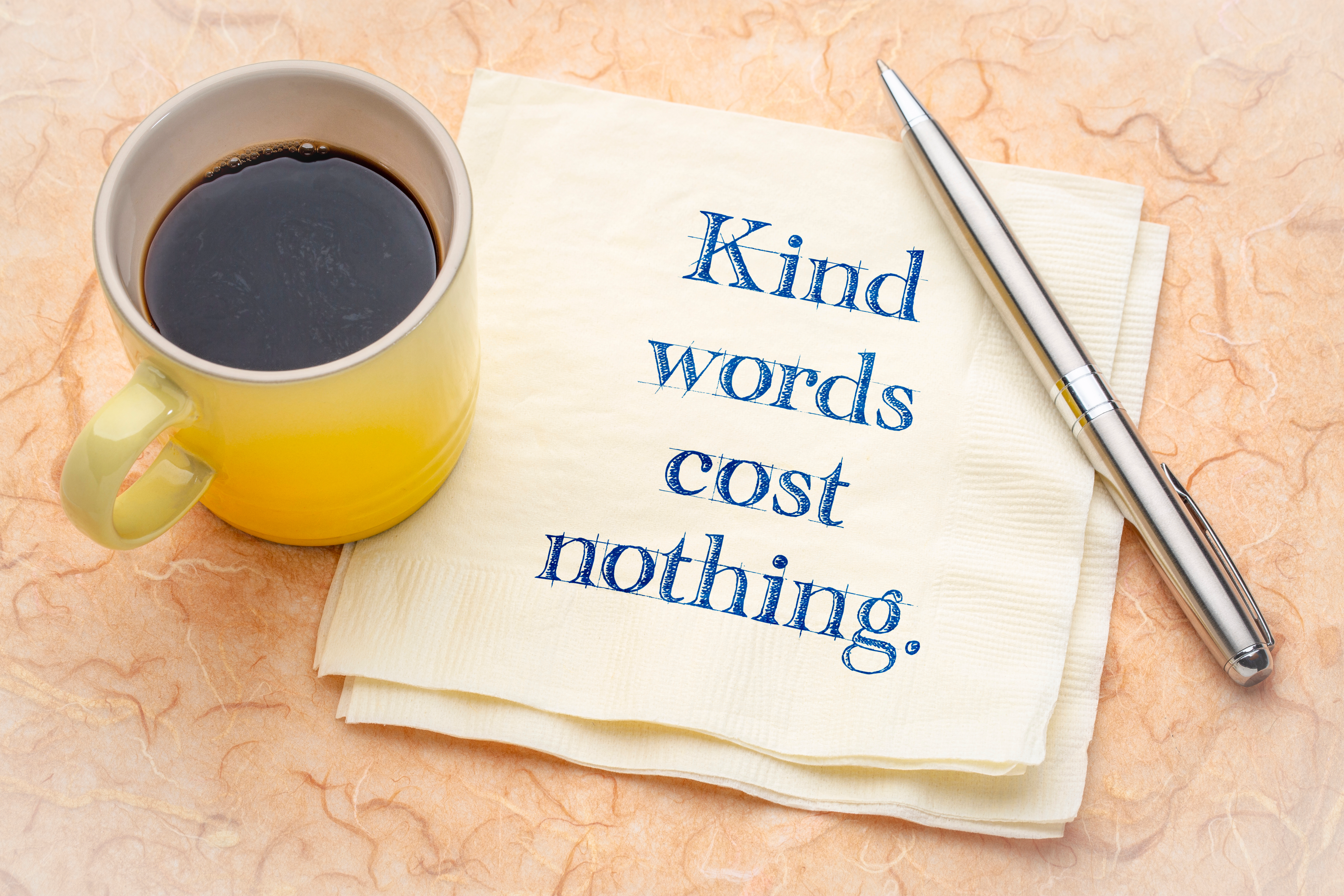
Kindness Toward Others and Toward Myself
Perhaps the most important lesson I’ve learned is that kindness isn’t only about how I treat others. It’s about how I treat myself.
Holding onto anger often meant holding onto past mistakes, regrets, and frustrations. Choosing kindness meant learning to let go. It meant accepting that I’m human, that others are human, and that perfection was never the goal.
Peace was.
A Choice That Shapes Who I Become
I still feel anger. That hasn’t changed. But what has changed is what I do with it.
I’ve learned that anger is a signal, not a destination. I can acknowledge it without living in it. I can choose patience instead of reaction. Understanding instead of resentment.
Each time I choose kindness, I feel lighter. Calmer. Healthier.
And when I think about the future about the kind of person I want to become and the kind of life I want to live it’s clear to me that kindness isn’t just the better choice.
It’s the healthier one.


 Health to Wealth Ventures