

In a time of rapid technological advancements, the automotive industry is undergoing a transformative shift. From electric vehicles (EVs) to autonomous cars, the future of driving promises to be safer, more efficient, and environmentally friendly. As these innovations take the wheel, the auto insurance industry is also evolving to keep pace with the changing landscape.
The Rise of Electric Vehicles
Electric vehicles are at the forefront of the automotive revolution. With major manufacturers like Tesla, Nissan, Ford and General Motors leading the charge, EVs are becoming increasingly accessible to consumers. Governments worldwide are also incentivizing the switch to electric by offering tax rebates and investing in charging infrastructure.
However, the adoption of EVs brings new challenges and opportunities for auto insurers. Traditional factors like engine size and fuel type are becoming obsolete, while new variables such as battery life, charging patterns, and software updates are gaining importance. Insurers are developing new models to assess risk and determine premiums, considering the unique characteristics of EVs.
Autonomous Vehicles: Redefining Risk
The advent of autonomous vehicles (AVs) represents a seismic shift in how we think about driving and insurance. With companies like Waymo, Uber, and traditional automakers investing heavily in self-driving technology, AVs are expected to reduce accidents caused by human error significantly.
For insurers, this reduction in accidents could lead to lower premiums and a shift in the liability landscape. Instead of individual drivers, manufacturers and software developers might bear more responsibility for accidents involving autonomous systems. This change necessitates new regulatory frameworks and insurance products to address the complex nature of AV technology.
Usage-Based Insurance: The Data-Driven Approach
With advancements in telematics and data analytics, usage-based insurance (UBI) is gaining traction. UBI relies on real-time data collected from vehicles to tailor premiums based on individual driving behavior. This model encourages safer driving practices by rewarding low-risk behavior with lower premiums.
Telematics devices track various metrics, including speed, braking patterns, and mileage. As more drivers opt for UBI, insurers can gather extensive data to refine their risk assessment models further. This data-driven approach not only benefits consumers with personalized premiums but also helps insurers mitigate risk more effectively.
Cybersecurity: Protecting the Connected Car
As vehicles become more connected, cybersecurity emerges as a critical concern. Modern cars are equipped with advanced infotainment systems, GPS, and even internet connectivity, making them vulnerable to cyberattacks. A breach could compromise vehicle safety, privacy, and personal data.
Insurance companies are now incorporating cyber coverage into their policies, protecting against potential cyber threats. This coverage includes protection against hacking, data breaches, and even software malfunctions. As the automotive industry continues to innovate, insurers must stay ahead of emerging cyber risks to ensure comprehensive coverage.
Environmental Impact: Insuring a Greener Future
The shift towards sustainable transportation is not only driven by technological advancements but also by a growing awareness of environmental impact. Insurers are recognizing the need to support green initiatives by offering incentives for eco-friendly driving. Policies that reward low-emission vehicles and promote green practices are becoming more common.
Moreover, insurers are exploring ways to contribute to environmental sustainability, such as investing in carbon offset programs and supporting renewable energy projects. By aligning with the broader goal of reducing carbon footprints, the insurance industry can play a crucial role in driving the transition to a greener future.
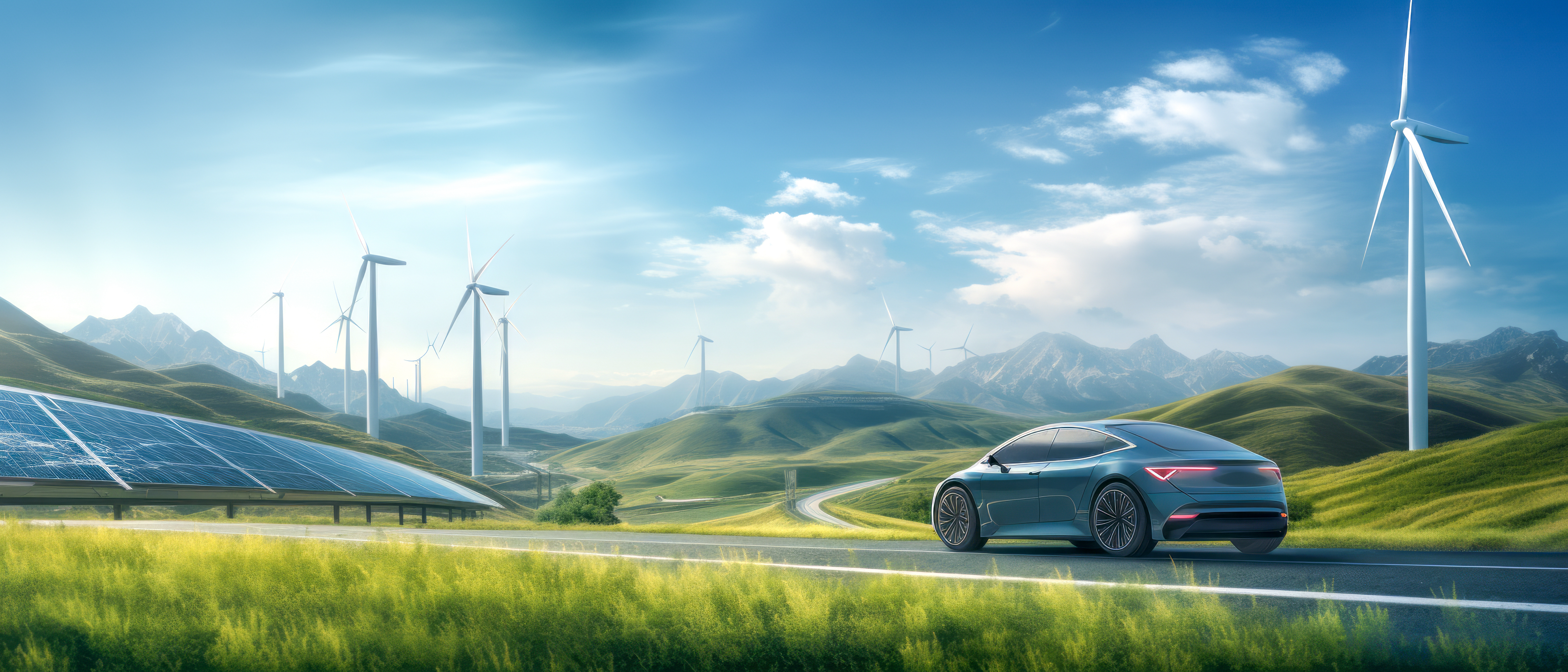
The evolution of the automotive industry is reshaping the landscape of auto insurance. From electric and autonomous vehicles to data-driven and environmentally conscious policies, insurers are adapting to meet the demands of a rapidly changing world. As we drive into the future, the synergy between technology and insurance will be pivotal in ensuring safer, smarter, and more sustainable mobility for all.
About the Author:
David Dandaneau is a insurance agent that covers the insurance and financial services industry. He is known for his insightful analysis and comprehensive coverage of market trends and regulatory developments.


 Health to Wealth Ventures