Mastering Work-Life Balance in a Digital Age

The boundaries between work and personal life have become increasingly blurred. Smartphones, laptops, and collaboration tools make it easier than ever to stay connected to work—sometimes too connected. While this digital connectivity has its advantages, it also presents new challenges to maintaining a healthy work-life balance.

The Double-Edged Sword of Connectivity
Technology has transformed the modern workplace, enabling remote work, flexible schedules, and real-time collaboration across time zones. For many, this has opened up opportunities to balance personal responsibilities with professional demands more effectively. However, the same tools that provide freedom also tether employees to their jobs around the clock.

The expectation to be constantly available can lead to burnout, stress, and reduced productivity. Emails after dinner, Slack messages on weekends, and Zoom calls outside of regular hours can erode the boundary that once clearly separated work from life.

Understanding the Importance of Work-Life Balance
Work-life balance isn’t just a trendy phrase; it’s a vital component of mental and physical health. Research shows that employees who maintain a healthy balance are more engaged, creative, and resilient. They also tend to have better relationships, sleep quality, and overall well-being.

Without balance, overworking can lead to anxiety, depression, and even serious health problems like cardiovascular disease. For employers, an imbalanced workforce can result in higher turnover rates, lower morale, and decreased performance.

Strategies for Achieving Balance

  1. Set Clear Boundaries
    Create a defined start and end to your workday. Turn off work notifications during personal time and use tools like calendar blocking to separate work tasks from personal obligations.
  2. Embrace Flexibility—Wisely
    Flexibility is a benefit, but it should serve you, not control you. Use flexible schedules to accommodate your life, but be cautious not to let work bleed into every free moment.
  3. Prioritize and Delegate
    Focus on high-impact tasks and delegate where possible. Not every task needs your immediate attention or direct involvement. Learn to say “no” or “not right now” to non-essential demands.
  4. Take Regular Breaks
    Stepping away from your screen helps reset your brain. Incorporate short breaks during the day and make time for longer stretches away from work, such as weekend unplugging or vacations.
  5. Communicate Openly
    Whether you’re an employee or a leader, talk openly about work-life balance. Set realistic expectations and encourage a culture where taking personal time is respected.
  6. Use Technology Intentionally
    Use digital tools to enhance, not hinder, balance. Apps that promote mindfulness, track screen time, or automate tasks can be powerful allies in managing digital overload.

The Role of Employers
Employers have a crucial role in promoting work-life balance. Forward-thinking companies offer wellness programs, flexible work arrangements, and support systems for mental health. Encouraging regular time off, discouraging after-hours communications, and recognizing efforts to maintain balance can create a healthier work culture.

Balance Is a Moving Target
In the digital age, achieving work-life balance isn’t about perfect symmetry—it’s about creating harmony between work and personal priorities. It requires intention, discipline, and adaptability. As technology continues to evolve, so too must our strategies for staying grounded. By being mindful of how we engage with digital tools and setting healthy boundaries, we can reclaim balance and build more fulfilling lives—both at work and at home.

Overcome Distractions: 10 Ways to Improve Focus and Efficiency

From constant notifications to the pressures of multitasking, distractions are everywhere these days. Yet, for those who master the art of focus, the rewards are immense—better efficiency, reduced stress, and greater satisfaction in achieving their goals. Here are some strategies that have been proven to help boost productivity and maintain focus in an increasingly distracted environment.

  1. Start with Clear Goals
    Productivity begins with clarity. Setting specific, measurable goals helps you prioritize tasks and avoid the overwhelm of trying to do too much. Whether it’s a daily to-do list or long-term milestones, knowing what you’re working towards is essential.
  2. Practice Time Blocking
    One of the most effective ways to structure your day is time blocking—a method where you schedule specific periods for focused work on tasks. This approach eliminates decision fatigue and creates a sense of accountability to stick to your planned tasks.
  3. Minimize Distractions
    In a world filled with buzzing phones and endless social media updates, creating a distraction-free workspace is crucial. Consider putting your phone on “Do Not Disturb,” using website blockers for distracting sites, or simply finding a quiet environment to work.
  4. Leverage Technology Wisely
    While technology can be a source of distraction, it can also be a powerful tool for productivity. Apps like Trello, Notion, or Focus@Will offer organization, task tracking, and focus-enhancing tools to keep you on track.
  5. Take Regular Breaks
    Counterintuitive as it may seem, taking breaks improves productivity. Techniques like the Pomodoro Technique—working for 25 minutes and then taking a 5-minute break—help sustain focus by preventing burnout.
  6. Practice Mindfulness and Meditation
    Mindfulness techniques, including meditation, can train your brain to stay present and avoid being pulled in multiple directions. Even a five-minute breathing exercise can sharpen focus and reduce stress.
  7. Get Moving
    Physical activity is not just for your body—it’s for your brain too. A quick walk, stretching, or even a full workout can boost mental clarity and energy levels, ensuring you stay productive throughout the day.
  8. Nourish Your Body and Mind
    What you consume plays a huge role in your productivity. Eating balanced meals, staying hydrated, and avoiding excess caffeine can keep energy levels stable and your brain sharp.
  9. Reflect and Adjust
    At the end of each day or week, take time to evaluate your productivity. Ask yourself what worked, what didn’t, and how you can improve. Productivity is a skill that evolves with practice and self-awareness.
  10. Find Your Motivation
    Finally, staying productive is easier when you’re inspired. Connecting your tasks to a bigger purpose—whether it’s professional growth, personal fulfillment, or helping others—can reignite your drive when motivation wanes.

Staying productive and focused is not about working harder—it’s about working smarter. By adopting these habits and finding what works best for you, you can navigate distractions and achieve your goals with greater ease. In a world where attention is the ultimate currency, mastering focus is a skill that truly pays off.

10 Tried-and-Tested Personal Productivity Tips for Greater Efficiency and Less Stress

It has been said that personal productivity is crucial to maintaining a balanced and fulfilling life. Whether you’re juggling work tasks, household responsibilities, or personal goals, mastering productivity can help you achieve more in less time and with less stress. Here are some tried-and-tested tips that can significantly enhance your individual productivity:

1. Start Your Day with a Plan

One of the best ways to stay on top of your tasks is by planning your day ahead of time. This could be done the night before or first thing in the morning. By creating a list of what you need to accomplish, you can prioritize tasks and avoid wasting time on less important activities. Many successful individuals rely on the “two-minute rule” — if a task will take less than two minutes, do it right away. This keeps your to-do list from becoming overwhelming.

2. Set SMART Goals

SMART goals—Specific, Measurable, Achievable, Relevant, and Time-bound—are essential for staying focused and motivated. When your goals are clear and actionable, you’re less likely to get distracted. For example, instead of saying “I want to get in shape,” a SMART goal would be “I will run for 30 minutes every morning for the next month.”

3. Use Time Management Techniques

Many productivity experts recommend time management techniques like the Pomodoro Technique or time blocking. The Pomodoro Technique involves working in short, focused intervals (usually 25 minutes), followed by a short break. This helps prevent burnout and keeps you fresh throughout the day. Time blocking, on the other hand, involves allocating specific blocks of time for different activities, ensuring that each task gets the attention it deserves.

4. Minimize Distractions

In a world full of constant notifications, it’s easy to get sidetracked. To improve your focus, consider turning off non-essential notifications on your phone or using apps like “Focus@Will” or “Forest,” which help you stay concentrated. Creating a distraction-free workspace is also key—ensure your environment is conducive to focused work by minimizing clutter and external noise.

5. Take Regular Breaks

While it might seem counterintuitive, taking regular breaks actually boosts productivity. Studies show that our brains can only focus on a task for about 90 minutes before needing a break. Whether it’s a quick walk, a few stretches, or a five-minute meditation session, breaks can help refresh your mind and prevent burnout.

6. Master the Art of Delegation

It’s important to recognize that you can’t do everything yourself. Learning to delegate tasks—whether at work or at home—frees up time for you to focus on the most critical tasks. This not only reduces stress but also ensures that you’re using your time and energy more effectively.

7. Embrace the Power of “No”

Saying no is one of the most powerful tools for maintaining productivity. By declining unnecessary tasks or meetings that don’t align with your goals, you protect your time for more meaningful work. It’s not about being rude—it’s about respecting your time and energy.

8. Prioritize Self-Care

Productivity isn’t just about working harder or longer. It’s about working smarter, and that requires taking care of your physical and mental well-being. Exercise, a balanced diet, and adequate sleep all contribute to better focus, creativity, and overall efficiency. Meditation and mindfulness practices can also help you stay calm under pressure and better handle stress.

9. Automate and Optimize

Take advantage of technology to automate repetitive tasks. Tools like email filters, task management apps (such as Trello or Todoist), and scheduling software can save you hours each week. Additionally, continuously reviewing and optimizing your processes can help you identify areas for improvement.

10. Review and Reflect

At the end of each week or day, take a few minutes to reflect on what worked and what didn’t. This can help you adjust your strategies and identify patterns in your productivity. By regularly assessing your progress, you stay in tune with your goals and can make adjustments to ensure ongoing improvement.

Incorporating these productivity tips into your daily routine can significantly enhance your efficiency and reduce stress. Remember, productivity isn’t about being busy—it’s about working on what truly matters. By planning your day, staying focused, taking care of your well-being, and leveraging the right tools, you can optimize your time and achieve more with less effort.

The Power of Creative Inspiration: Fueling Innovation and Imagination

In the changing times of innovation and design, creative inspiration has become the bedrock for transformative ideas, bridging the gap between concept and reality. Whether in the arts, technology, or business, the spark of creativity is what drives new inventions, fresh approaches, and groundbreaking achievements.

What Is Creative Inspiration?

Creative inspiration refers to that moment when an idea strikes, offering a fresh perspective on a challenge or an entirely new way of doing things. Often, it comes unexpectedly—a result of personal experiences, observations, or even emotions. But behind what seems like a moment of brilliance lies a process: one that requires openness to the world, active engagement with one’s surroundings, and the ability to connect disparate thoughts in innovative ways.

From the works of legendary artists like Vincent van Gogh to the technological marvels conceived by inventors such as Steve Jobs, history offers countless examples of how inspiration can change the course of industries and societies.

Sources of Creative Inspiration

Creativity thrives on diversity, both in experiences and ideas. Here are a few key sources where individuals across disciplines draw their creative energy:

  1. Nature: For centuries, nature has been a prime source of inspiration. The intricate patterns found in plants, animals, and landscapes can prompt solutions to complex problems in fields like architecture, engineering, and design. Biomimicry, a practice that mimics natural processes to solve human challenges, is a direct result of this connection.
  2. Art and Culture: Art in its various forms—painting, music, literature, and dance—has always inspired new perspectives. Creative professionals often immerse themselves in art to gain new insights, blending styles and themes into their own work. Cultural experiences, such as traveling to different countries or experiencing new traditions, also offer fresh lenses through which to view the world.
  3. Technological Advancements: In today’s digital age, technology is both a tool and a source of creative inspiration. New platforms, tools, and software have made it easier for creators to experiment and collaborate across boundaries. From 3D printing and AI-generated art to virtual reality and gaming, technology enables endless possibilities for innovative expression.
  4. Collaboration: Collaboration is a powerful catalyst for creativity. When individuals with different backgrounds and perspectives come together, they can challenge each other’s assumptions, leading to creative breakthroughs. Companies like Google and Apple have famously fostered environments where cross-disciplinary teams can thrive and innovate together.
  5. Everyday Life: Many creative professionals emphasize the importance of staying open to the inspiration found in everyday experiences. Whether it’s observing a conversation at a café or the interaction between light and shadow on a building, small details often hold the seeds for the next big idea.

How to Cultivate Creativity

While some people seem to have a natural affinity for creativity, inspiration can be nurtured. Here are a few strategies to boost creative thinking:

  • Mindfulness and Meditation: Practices like mindfulness help clear mental clutter, making room for new ideas to emerge. Regular meditation can enhance focus and improve one’s ability to generate creative thoughts.
  • Journaling: Writing down thoughts, observations, and ideas—whether in a structured or freeform way—can help creators explore their subconscious, discover patterns, and generate new concepts.
  • Exploring New Skills: Learning something new—whether it’s coding, a musical instrument, or photography—can open doors to creativity. This cross-training of the mind enhances flexibility, allowing creators to approach problems from different angles.
  • Embracing Failure: Failure is a natural part of the creative process. Some of the most significant inventions in history were born from failed experiments or unexpected results. Embracing these moments as opportunities to learn can often lead to breakthroughs.

The Future of Creativity

As the world continues to evolve, creativity will play a central role in shaping the future. Whether addressing environmental challenges, developing new art forms, or advancing science and technology, creative inspiration will be the force driving humanity forward. In a world full of information, the ability to think outside the box, to make connections where none seem obvious, will be more valuable than ever.

In the words of Albert Einstein, “Creativity is intelligence having fun.” It’s a reminder that creativity is not a linear process—it’s a playful, imaginative, and exploratory journey that brings together elements of both art and science.

So whether you are an artist, entrepreneur, or engineer, the key to unlocking your next big idea might be as simple as taking a step back, embracing curiosity, and letting inspiration find its way to you.

Inbound Sales is ALL About Outbound Social Media? Or is it?

As the world changes, so does the way(s) we all continue to communicate with one another. According to the Merriam Webster Dictionary, “communication” originated in the 14th century (WOW) and is defined as “the act or process of using words, sounds, signs, or behaviors to express or exchange information or to express your ideas, thoughts, feelings, etc., to someone else.” So then why do most people NOT consider SOCIAL MEDIA and SALES communicative and social tasks? What I mean by that is why do marketers, as well as other professionals think that social media isn’t the best tool available to communicate with others, thus increasing sales (i.e. inbound selling). In fact, I believe that customers take joy in being social over the web and would rather buy online at their own pace versus someone else’s or in-person. Am I being naive or do you agree or disagree? Whether you agree or disagree, one thing is certain and that is if you understand the role(s) of communicating and social media in general that these two combined can be paramount and vital to your personal or long-term business success(es).

How buying is changing online

With the advent of online sites such as Google, Ebay, Yelp, Facebook, Twitter, FourSqaure, EmpireAvenue, Pinterest, Tumblr, StumbleUpon, LinkedIn, Quora, etc people have more say “dictating the buying/selling processes” and can voice their opinions as little and/or as often as they want, thus dictating what customers/businesses ultimately buy and sell. In fact, (I believe you already may know this) but it is no longer about what a salesperson/company says or presents but instead about what a buyer says online or in person that dictates what they truly want in a (B2C business-to-consumer or B2B business-to-business) competitive environment.

Forrester, which is a leading research company recently reported that over 90% of the time B2B (in this case B2B IT buyers) are involved in some form of social media, not so much as actual purchasers but as purchase spectators. What this actually means and maybe the case more times than not in any industry is that 90% of the people or businesses that are looking for IT services or ‘YOUR services/products” are on some form of social media site. Regardless of the industry, you and/or your company cannot afford to ignore these statistics if you want to continue increasing sales over the long run. Yes, this also means that even though these people are online (i.e. social media) they maybe just there to see how you and/or your company is perceived, so they also can adjust their business strategy around what people want (i.e. again inbound selling adjustments) throughout an industry not just your company. Yes?

Not just for the traditionalists

While not too long ago and perhaps even to this day (you have more than likely experienced this) many people have/did enter(ed) into the online social sphere of things with the whole “get rich quick scheme or multi-level marketing” but as time passed we all have voiced our opinions thus we are seeing a dramatic decline in this category. That is a big relief huh? Personally, over the years I have grown to hate all these multi-level marketing schemes and am very pleased to see them fading into the night just as the typewriter of several years past. Since these multi-level schemes were and never will be credible ways of making money or advancing sales online (instead only making a few people rich) while making other people more skeptical of online buying/selling. Having a tremendous amount of prior B2B and B2C sales experience, I came into social media marketing (social media selling) with a determination to grow a community and eliminate the hard sell, since generating awareness and need for a purchase are at the forefront of sales and have always been my way of producing sales not the other way around. Let’s face it who likes that nagging sales person that calls 10 times a day or week trying to sell you something you don’t necessarily need but instead trying to sell you something they think you need in order to increase their own sales numbers, while making their boss(es) happy. Social media selling gives the customer what they need and that is relevant information that they can use to create their own need; thus, calling you (INBOUND) when they are actually ready to buy on their own terms and not yours. So, let’s say bye to all those bait and switch techniques of the past and hello to transparency of the present “gifts” that help you and your prospects make good buying decisions. An honest conversation online thorough social media and other like platforms that make your phone ring not you ringing others, thus increasing sales and creating more long-term partnerships.

Social Sales

If what I have mentioned so far hasn’t convinced you that social media is/has changed the way everyone communicates, then I ask you to think about all the people you and/or your company reach daily, weekly, or yearly to create awareness, while maintaining one-on-one contact. Do you see how or perhaps create some of the most important relationships that you or your company has/can develop online? Have you or your company closed any accounts or sales online without actually even talking to another person? If you are like most others the answer to this question should be YES (even in the lowest form you surely have purchased from EBay or Amazon)and if not then you really need to get or build your online presence immediately. If you are in sales and also answered NO to this question, you also need to start building your own online presence as well as your companies since you cannot or will not be able to rely on in person or personality only to seal more deals moving into the future.

As social media helps to continue to shaping sales by changing the old mantra of “who you know” by “what you actually know” especially what you know about others (i.e. communicative spectators). The new age of selling should demand online communication of every one of its employees regardless of position in order to enhance other purchasing decisions by adding value to an online conversation. Needless to say and long story short is that I ask you to stop convincing yourself or business that social media cannot help you and instead embrace how communication/social media can help you leverage your personal or business goals. Those people and companies that understand these concepts most and are willing to forge forward into this new business space of sales will be the ones that I will be still writing about 20 years from now.

David Dandaneau is a Consultant at [SevenTimesSeven]. He specializes in helping business owners “manage their business and not their processes!” For more connect with him via Twitter @ddandaneau or any of the other social platforms you may find him on.

Social Media Selling! Say What?

Image via Flickr: Cambodia4kids.org
‘Social’ is the art of connecting, interacting, and engaging in a since. I like most others appreciate this broad definition of SOCIAL or in this discussion ‘Social Communication’…
So, with that being said, let’s talk about a less fashionable “S-word”: SALES.
As mentioned previously in many of my other posts, the new era of communication, engagement, sharing quality content, combined with the new social media approach makes ‘SALES’, along with its partner ‘SELLING’, a word(s) many people and organizations have started to discuss removing from the dictionary. Well maybe not that extreme but check out this article which seems a little contradictory since the author points out that social media can help with customer service, engagement and marketing (i.e. are these not part of the sales process anyway, so why not selling through these in the social space?)
Needless to say, whatever your viewpoint is of sales or selling online (i.e. through social media) almost every business (big or small) have/has to use these social medians now a days to make money, while promoting, networking, and marketing… I think others would refer to these along the lines of brand recognition, huh? Furthermore, believe it or not there are quite a few ways that you can insert yourself or business in this space in order to boost your reputation and/or revenue, while not disrespecting the developing social world, which I think is what most people are really talking about here. Yes?
In fact, I have identified a couple of techniques for you and or your team to use, so you can take advantage of engagement, networking, and referrals in the new social world.
1. Evaluation

The art of knowing everything you can about a particular product, service, and/or target market is just that… an art without proper evaluation of your network or your potential prospects. With all the online resources available to you/your business, you now have the ability to target just about anyone or any company anywhere for your ideal sale pitches… well this is assuming that you or your organizational leaders have used these tools before and you have them available to create detailed social accounts for your growth plans. If not try developing/development in this/these simple steps:

Create some saved searches based around keywords relevant to your business (Google is a good place to start, after all who doesn’t ask the Google Gods for just about everything?):
  • Your product/service offerings
  • Your company and competitors name(s)
  • Your and other related industry sector(s)

Basically, what I am saying here is that you need to search and develop ideas or anything that reflects on you and/or your business acumen, which offers you the best ability to engage with people who are showing an interest in creating offers you may be considering promoting yourself. Let us also not forget about some other key components in selling.
  • Listen and/or listening! Perhaps this is the most important part of any sales pitch but one in which many people ignore because most salespeople are tempted to jump straight to the sale in fear of rejection or needing a sale now. Whether you are in person or online remember not to take over a conversation or hijack a comment stream just for a sale, as this more times than not turn’s people off especially if you are complaining about your brand or another person or company. Instead feed people (prospects) information backed up by quantitative research in order to engage, add value, and educate people or companies in order to grow relationships that will lead to long-term partnerships and ultimately more sales and referrals- (this was a big part of my dissertation, so please email me if you would like more information on this).
  • After you have identified people and other businesses of interest, try assigning some sort of “lead/prospect rating” in order to categorize the who, what, and when of first contact in your networking strategy.

Lastly, keep records of your data, findings, and future plans for all new or potential sales leads, in your CRM system. If you don’t have a CRM it is about time you put away all the Excel spreadsheets and bought a program such as ACT or subscribed to another system such as Sugar, Salesforce, Zoho, etc if you want to really take on SALES in the new Social CRM world.
“Going viral is not an outcome; it’s a happening. Sometimes it happens; sometimes it doesn’t. Just remember, fans are vanity and sales are sanity.” Lori Taylor (@lorirtaylor) 

2. Engagement

Now once you have identified, rated, and perhaps even already engaged a person or business of interest about your product or service stop a minute and think about a few other things:
  • Depending on what social sites you are part of Facebook, Twitter, FourSqaure, EmpireAvenue, Pinterest, Tumblr, StumbleUpon, etc you need to start or continue to reach out and join other people or companies conversations who are talking about you, your product, service, or other similar products or services in order to showcase to others why they need you or why you or your company can add value to their life or future business plans.
  • Have you ever heard of the old saying… plan the work and work the plan? Well, this holds true online also as after you have planned your networks of engagement, you need to work your leads in order to nurture future sales. If possible let others start and drive the conversation (i.e. a great site(s) for this are LinkedIn or Quora), while you listen (remember this was spoken about earlier?) for the right opportunity/opportunities to add value to that conversation. Remember IT’s NOT ALL ABOUT YOU!  

Lastly, do not forget that in this new age of communicating and engaging that the customer is not 100% of the time correct but do remember that if you engage properly, while showcasing your skills that you can gain more control even over the most pesky customers. Perhaps you may also want to check out this article out about the shifting customer landscape, as it illustrates and highlights some things (tools) customers use now a days as they communicate (good or bad) online.
“Engage, Enlighten, Encourage and especially…just be yourself! Social media is a community effort, everyone is an asset.”Susan Cooper (@buzzedition) 

3. Now Get Social and Sell

After you have joined other networks and conversations, as well as engaging with others, it is now your chance to get social and start your own conversations. Remember that social media is a two way dialogue that starts with the construction of networks and builds into relationships that you and even your entire team can use to build target messages, which
  • Invite their own comments on particular topics thus building other(s) interest, potentially creating new customers especially if those who engage share with others in their network(s)
  • Take the time to share company news, highlights, and goals regularly whether they are about you, an industry, or other relevant sector
Image via Flickr: Fredrick Md Publicity

Don’t forget to develop a personal face or avatar that is the face of you or your business!

“People want to do business with you because you help them get what they want. They don’t do business with you to help you get what you want.” Don Crowther (@don_crowther) 

Now Go Get’em

If you use some if not all of these tips in developing your network, you, and your sales team will be light years ahead of others that still have not decided to take a social ‘online’ approach to selling. If you have or are considering a CRM system? Stop that nonsense already and get your CRM in check and take your socialCRM and sale efforts to a new level by combing them into one approach. If I can help you or your business please drop me a line or if you have any comments, please feel free to comment below. Otherwise, thanks for stopping by and until next time KEEP SMILING!
David Dandaneau is a Consultant at [SevenTimesSeven] and a Contractor at [FedEx]. He specializes in helping business owners “manage their business and not their processes!” For more connect with him via his About.Me Page or any of his other social platforms.


Social Media Engagement – Using #HashTags

Social Media Engagement Spheres 
social engagement
Image via Flickr: Cambodia4kids.org

It is no secret that in today’s world people/companies are investing/relying on social media to keep in touch and up-to-date, while looking to gain new customers and increasing sales. This obsession whatever the case maybe is vital for your personal and/or businesses long-term success (I have a feeling you may already know this), as more and more people turn to the internet to find answers to unanswered questions they or you may have. Whether you are looking for lost friends, starting or sustaining a business, or looking for additional support in a cause you deem important you probably know this and that social media can really make a difference huh? Not only does it help but if done correctly social engagement can pay huge dividends in terms of more supporters, followers, and/or sales? Yes?

Compared to Traditional Advertising
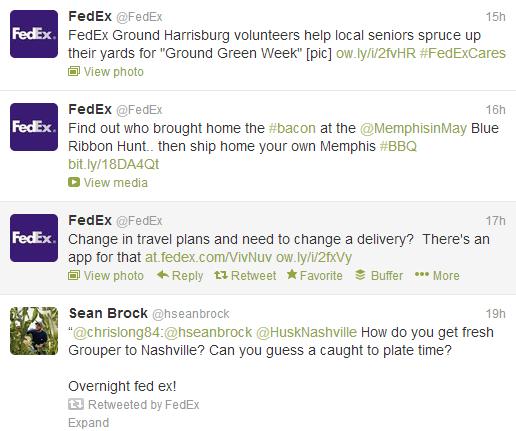
Although I personally started using social media some 10 years ago, I really didn’t write about any dividends derived from this median until my business partner posed a question to me about Traditional Media being on the Verge of Death in late 2011. At that time, we agreed that traditional media was not on the verge of death, instead it was/continuing to evolve like everything in our personal and business lives. Using that same frame of thinking now, I would like to know whether or not you think Traditional Marketing/Advertising is on the verge of death? Well if you know anything about advertising you would know that this is also NOT the case, as more and more companies still are/continuing to use these old medians to relay their messages on a larger scale and aimed at their specific local, regional, and global target markets (i.e. TV, radio, billboards, magazines, newspapers, etc.). However, unlike social media where people and companies can communicate instantly with their friends, followers, clients, potential customers, etc. these older forms of advertising merely provide content and/or images to help sell/educate others about themselves, their products and/or services. Still effective but not nearly as effective as social media has and can be… right? Let’s see how some of the people, companies, and brands I follow, shop at, and work with are using social media (more specifically Twitter accounts Arbys, Target, FedEx, & 97X) to communicate with their customers.

From this brief view of these chosen Twitter profiles you can see these companies and individuals behind the tweets are using a variety of hashtags (#), lists, chats, tagging, and/ @username, @mentions, @replies and @connect to engage their audiences. In fact, by using these medians/tools these companies don’t have to pay much for engagement, plus they can integrate these into their other online platforms (creating more reach) rather easily while providing feedback, supporting sponsors, customers, running contests, etc. How great right? What’s even better is if you do have a genuine problem or complement to provide organizations such as these, you can message, tag, or @them you can expect a reply most if not all the time in 24-48hrs… now that’s advertising that works with real ROI and track ability isn’t it?

Application Need(s) of HashTags (#)

hashtag
Image via Flickr: Dan Moyle

Even though some traditional forms of advertising can be used to engage customers (i.e. coupons, snail mail, telephone, email, etc.) for many social media is the one that should be used more to create ROI that is almost instantaneously for many different causes. Other big companies like McDonalds, TMobile, Publix, etc. also provide their online social media followers with news, information, coupons, and give-a-ways to spread their message(s) and provide product/service updates. All of the aforementioned Twitter accounts along with those and many others just mentioned are also using #hashtags to imprint their digital footprint, while increasing brand exposure and reach. Yes, #hashtags one of the most important features I have found to be the most relevant in a business or even personal reach viewpoint. Why, well it’s simple more and more people use what is now referred to as Googling to locate data, information, and reviews of products or services, which ultimately these #hashtags help bring to the forefront of most search engines. By creating personal or business #hashtags whether on Twitter, Facebook, Instagram, FourSquare, etc. you can help yourself and/or company grow while helping others locate reasons why they need you, your product, or service. Make since? Good, now with just a simple creation of a unique #hashtag you and or your company is set to engage, receive feedback, and provide a more customized approach to customer service without having to spend big bucks doing so… thus increasing sales, ROI, and your online reputation.

If you haven’t already, I would love to connect with you on any or all of my social networks, so we can all stay connected, while continuing to learn what people, clients, and customers really want #LetsStayConnected while providing #CustomerService that is #OutofThisWorld! Until next time continue your #Marketing, #Advertising, #Sales, #HashTags, and #SocialMedia engagement so you too can create a solid foundation and positive digital footprint.

David Dandaneau is a Consultant at [SevenTimesSeven]. He specializes in helping business owners “manage their business and not their processes!” For more connect with him via Twitter @ddandaneau or any of the other social platforms you may find him on.


Personal and/or Business Use for Twitter Vine

[Image Credit: VineTwitter Account]
Well hello again and long time no talk fellow socialites! Needless to say, hope all is well and you are continuing to grow and prosper this New Year. As with most years that pass there are many new instruments, ideas, and strategies that are continuing to transform the way we communicate and if you have been a reader here for any amount of time you already know that! With that said, recently I decided to upgrade my old iPhone 3GS to the new iPhone 5, which to my surprise if extremely AWESOME. As with any upgrade (personal or professional), of course, my initial thinking was to get used to my new device (mentally) and discover some new apps to help make my life and business more organized, which I always love to share with all you. So far and just a couple weeks in with the new iPhone 5, I have discovered a new platform known as Vine(perhaps you have already discovered this application) to continue growing online via social media? Regardless if you are familiar or not with this particular application you’ll want to check it out and/or revisit it after you read the next few paragraphs.
From my research Vine for Twitter was just introduced in January of this year, which means many (perhaps you again) have discovered how valuable this new platform can be for increases in search, marketing, and sales purposes for yourself or business? Yes/No? Okay I know what you’re thinking and that’s… great now another social media site to manage? Well contrary to your thinking (open your mind already) this application is not just another app to fill up your Twitter stream but instead this app is a new way to create interesting stories using short video (i.e. 6 seconds or less) so you/your business can share your thoughts, ideas, and life changing personal or business stories. Just like many of the other social applications such as Facebook, YouTube, Twitter, LinkedIn, FourSquare, etc. all the items (in this case videos) that you create can be publically or privately posted to your Vine followers and/or shared among your existing networks via Facebook or Twitter by recording a video with the push of a button on your iPhone, iPod, iPad or other device that may run this type of mobile application. Okay, so what does this all mean to me? Even though I am also still new to this app, here are three easy steps to take in order to find the who, what, when, and how to simply use this application to benefit you or company while staying ahead of the social media madness we often refer to in our postings.
1) Showcase what you have to offer
Have you or your company created a unique way to showcase your competences or unique qualifications yet? If not, use Vine to create a small one or multiple set of online videos (again 6 seconds or less) for others to see what EXACTLY you have to offer. This is especially important if you have decided to look for that new job (creating an online resume) or looking to bring a new product or service to market (give everyone a sneak peek into your old or new offering(s).
2) Take other people behind the curtain of your life or business
What if you don’t have anything to showcase? Well that’s okay because behind everyone showcase is a story of how you or your business was born, started, or operates right? Use Vine to create a picture of what everyday life is like for yourself or business by showing off your daily routines, friends, office, or other interesting things others in your life or place of work do on daily, weekly, or monthly basis. Give your audience a firsthand encounter of events that will get you found and/or noticed in the social cloud, or in other words, pull back the curtain on your life or business!
3) Let others help you succeed
If you are familiar with networking or use other social media sites, which have you already engaged with many of your followers, friends, and acquaintances let them know about your new personal or business plans with Vine. Once others become familiar with this new application ask them to help you achieve what it is you are looking to achieve. In fact, if you use other platforms such as Twitter or Instagram get a little more creative and create a NEW hashtag dedicated to your cause and ask other people in your network to share or use this hashtag to create additional push or buzz about yourself, company, and/or brand. The old help others and they will help you back approach to Marketing.
[Image Credit: TechCrunch Blog Post]
Obviously, these three things are not the only things you can use Vinefor but they are a good way to start or retool your account if you have already started down this road. Regardless of how you use this platform, I sure would like to hear from others (if you have already set up an account) about your successes or other techniques that you are considering if you haven’t already started. As always thanks for stopping by and don’t forget to wear that smile like you mean it today ((>>:-))
David Dandaneau is a Consultant at [SevenTimesSeven] and a Contractor at [FedEx]. He specializes in helping business owners “manage their business and not their processes!” For more connect with him via his About.Me Page or any of his other social platforms.

 

Invest Less & Network More in BUSINESS & LIFE (SOCIAL MEDIA MADNESS)

As many of you know people, businesses, and corporations are continually looking for new ways to engage with others online and in person in order to grow personally and professionally. However, if you are like most other people and companies, you may still be wondering what are the most effective ways of creating interaction without spending days, weeks, months, or years on experimentation(s)… whether online or at social networking events? Now if you own a business you definitely should have figured out that creating a mix between your personal and professional online and in-person presence is or might be ideal? Is it or better yet… how? Well, whether you agree or not social media sites such as (Facebook, Twitter, YouTube, Flickr, Instagram, Pinterest, LinkedIn, Empire Avenue, FourSqaure, etc) and networking groups such as Business Networking International (BNI) is/are very cost effective tools to help you manage your personal and professional time while promoting, branding, and providing customer service whether you are interacting online or looking to chat in-person with friends, family, or clients.
In a recent study conducted by the wonderful folks over at VerticalResponse they found that 2/3’s of all small businesses (would wager this is even higher personally) are spending more and more time, energy, and effort on social media then they did a year ago. Nice huh? Agree or disagree? Needless to say, and again whether you agree or not that’s the truth! Although we (or most of us) have all come such a long way from thinking that this “Social Media” thing would become another fad and fade into the past. Just like the typewriter, beepers, or VHS you should not give up on any of these sites and if you do consider yourself warned like swimmers at the beach “swim at your own risk” or in our case “ignore social media at your own risk.”
Now back to the survey. VerticalResponse was able to identify (462 surveyed) that small business are spending a ton of time trying to stay current, while managing these social media sites much like people in general. An astonishing 42% of those surveyed said they spent 6+ hours or even more a week on social media (Facebook, Twitter, YouTube, Flickr, Instagram, Pinterest, LinkedIn, Empire Avenue, FourSqaure, etc) and roughly 25% admitted they spend 10+ hours or more per week on these same sites.  Does this sound like you? Although this may sound excessive to many in reality, I think these numbers are low, since I see people navigating these sites along with attending networking events much more than that! Regardless of the circumstance these numbers illustrate the importance social media is playing in business as well as our personal lives and why businesses and people are spending more time and money increasing their budgets to increase their online presence thus increasing their in-person visibility.  
For all those people and businesses out there that remain skeptical, here are a few more reasons why social media makes/will make more sense to you!
·      RELATIONSHIPS– Social Media sites such as (Facebook, Twitter, YouTube, Flickr, Instagram, Pinterest, LinkedIn, Empire Avenue, FourSqaure, etc) allow you to connect with others personally and professionally, while building strong bonds, which ultimately can/could turn into better customer service, increased sales, and more opportunities whether cross-selling or up-selling. VerticalResponsefound that Facebook is still the #1 site for personal of business building (some 90% are on it), while Twitter is close behind where (some 70%) or business/people are now engaging.
·      SERVICE– These social media sites allow you to inquire about other products or services, while providing others with answers to their own questions about your products and services saving you or your business time and money, which you can allocate to other money generating activities, thus quickly adapting before not reacting after a problem may occur.
·      SIZE & COSTs– These social media sites allow you to be found and get found easier “ECONIMIES of SCALE”, while helping you spend less time and money even if you hire an outside agency to help with your campaign.
These numbers are incredible and really show that people and businesses are remaining committed to interacting with others online and in-person.  Let’s face it… who isn’t strapped for time now-a-days and looking for more ways to network, while spending a little less time talking on the phone or in person? The fact is, I run a business, contract work at FedEx, am a full-time parent, Doctoral student, etc so long story short and if I can find the time you can too! Even though Facebook and Twitter remain the top two social media sites, half of the respondents admitted they also engage with others on LinkedInwhile others mentioned that they were also on Pinterest (some 29%) and Google+(some 32%), so click on the (MY) links and let’s CONNECT to grow and learn from each other even more! If you are anything like me or if I can help you or your business please don’t hesitate to connect with me here, personally, or through any of our business networking sites; otherwise I hope you enjoyed my analysis, review, and suggestions in regards to this Infographic and until next time… KEEP SMILING as it really does look good on YOU!

David Dandaneau is a Consultant at [SevenTimesSeven] and a Contractor at [FedEx]. He specializes in helping business owners “manage their business and not their processes!” For more connect with him via his About.Me Page or any of his other social platforms.

B2C & B2B Social Marketing (Facebook, Twitter, etc) Universe Revealed [INFOGRAPHIC]

Over the last several years, online networking  sites such as  Facebook, Twitter, YouTube, Flickr, Instagram, Pinterest, LinkedIn, etc have continued to flourish in both business to consumer (B2C) and business to business (B2B) environments, which has allowed people and companies of all sizes to communicate more effectively, while driving additional traffic that can generate more leads and certainly more sales. However, social media networking can be rather tricky and often fails if you or your company do/does not plan properly or if you do not have a solid social strategy in place to market yourself or brand for communication and monitoring of all B2C and B2B activities.

Not to worry because if you don’t have a lot of time to figure things out our friends at Marketo have put together a detailed Infographic, which can help you understand the B2C/B2B social media universe detailed below.
Of course, we also help businesses understand this unique beast, so if you have questions, please drop us a line or contact us through any of our social media networks and we will be glad to help. Otherwise, thanks for stopping by and happy networking!

(Source: MarketoB2B image via Shutterstock)