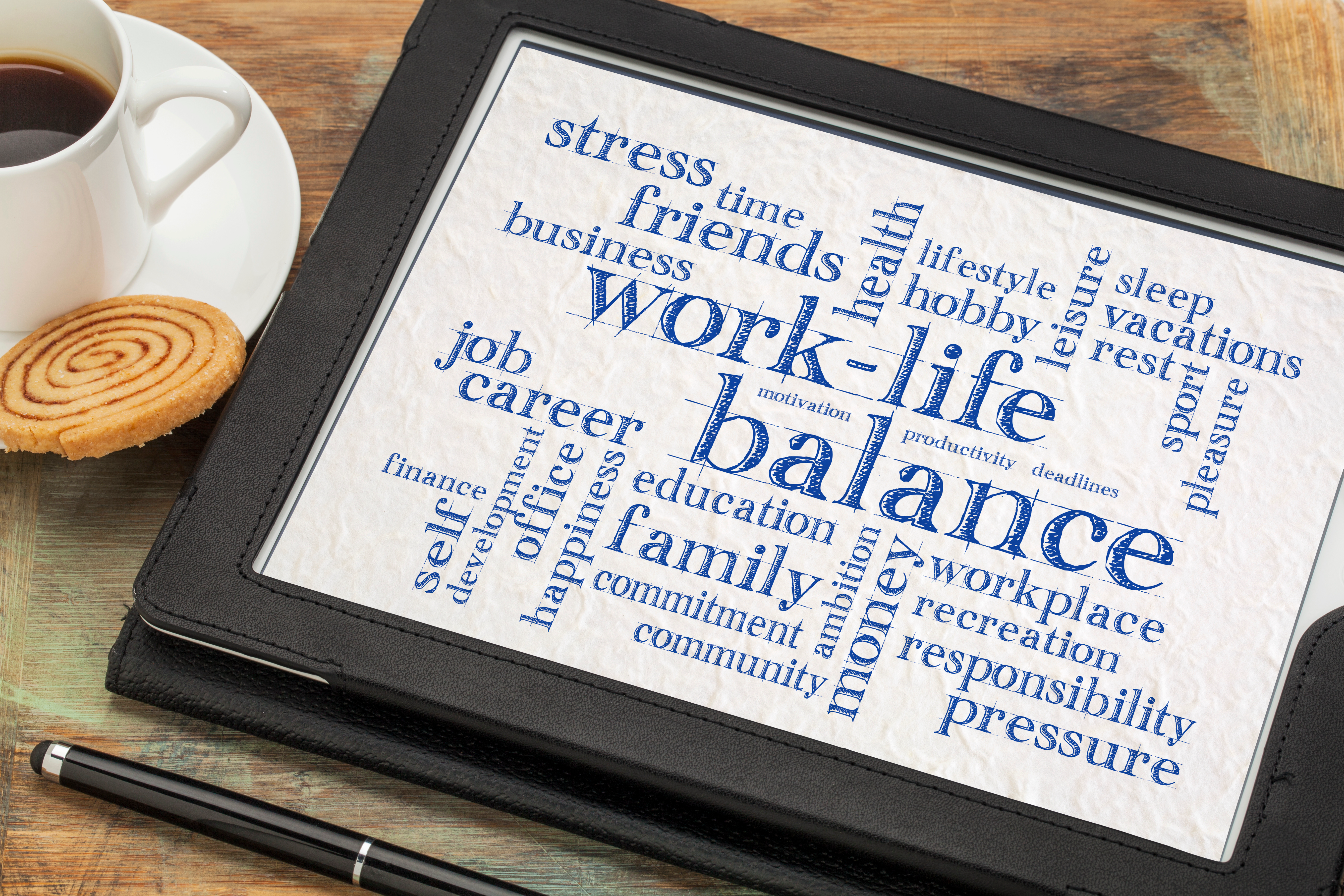
Redesigning Work to Combat Burnout

For years, burnout has been framed as a personal shortcoming: a lack of resilience, poor time management, or insufficient grit. Employees are encouraged to meditate more, exercise after work, or attend yet another wellness webinar. While these tools have value, they miss a critical truth burnout is rarely an individual failure. It is, far more often, a workplace design issue.

Modern organizations frequently reward busyness over effectiveness. Long hours are worn as badges of honor. Full calendars are equated with importance. Immediate responsiveness is treated as commitment. In this environment, exhaustion is not an anomaly it is the predictable outcome of how work is structured, measured, and led.

The Architecture of Burnout

Burnout thrives in systems with unclear priorities, constant interruptions, and unrealistic expectations. When employees are asked to do more with less, less time, less support, less autonomy and stress compounds. Add in ambiguous goals, frequent “urgent” requests, and a culture that discourages disconnecting, and burnout becomes inevitable.

Importantly, these conditions are not created by individual employees. They are embedded in workflows, performance metrics, and leadership norms. When success is defined by speed rather than sustainability, people will push themselves until they break—or leave.

Why Personal Fixes Fall Short

Placing the burden of burnout prevention on individuals can unintentionally worsen the problem. It suggests that if someone is struggling, they simply are not trying hard enough to cope. This approach ignores systemic contributors such as understaffing, poor role clarity, and chronic overwork.

Wellness initiatives cannot compensate for broken systems. No amount of mindfulness can offset a workload that consistently exceeds capacity. Without structural change, individual-level solutions amount to temporary relief at best.

Slowing Down as a Leadership Advantage

In a culture obsessed with hustle, slowing down may seem counterintuitive. Yet, it is increasingly one of the most effective leadership strategies available.

Leaders who intentionally slow the pace create space for clarity, focus, and better decision-making. They prioritize what truly matters, reduce unnecessary work, and model healthy boundaries. This does not mean lowering standards; it means designing work in a way that people can sustain high performance over time.

Organizations that embrace this approach often see measurable benefits: improved engagement, lower turnover, fewer errors, and stronger long-term results. Thoughtful pacing enables teams to think strategically rather than constantly reacting.
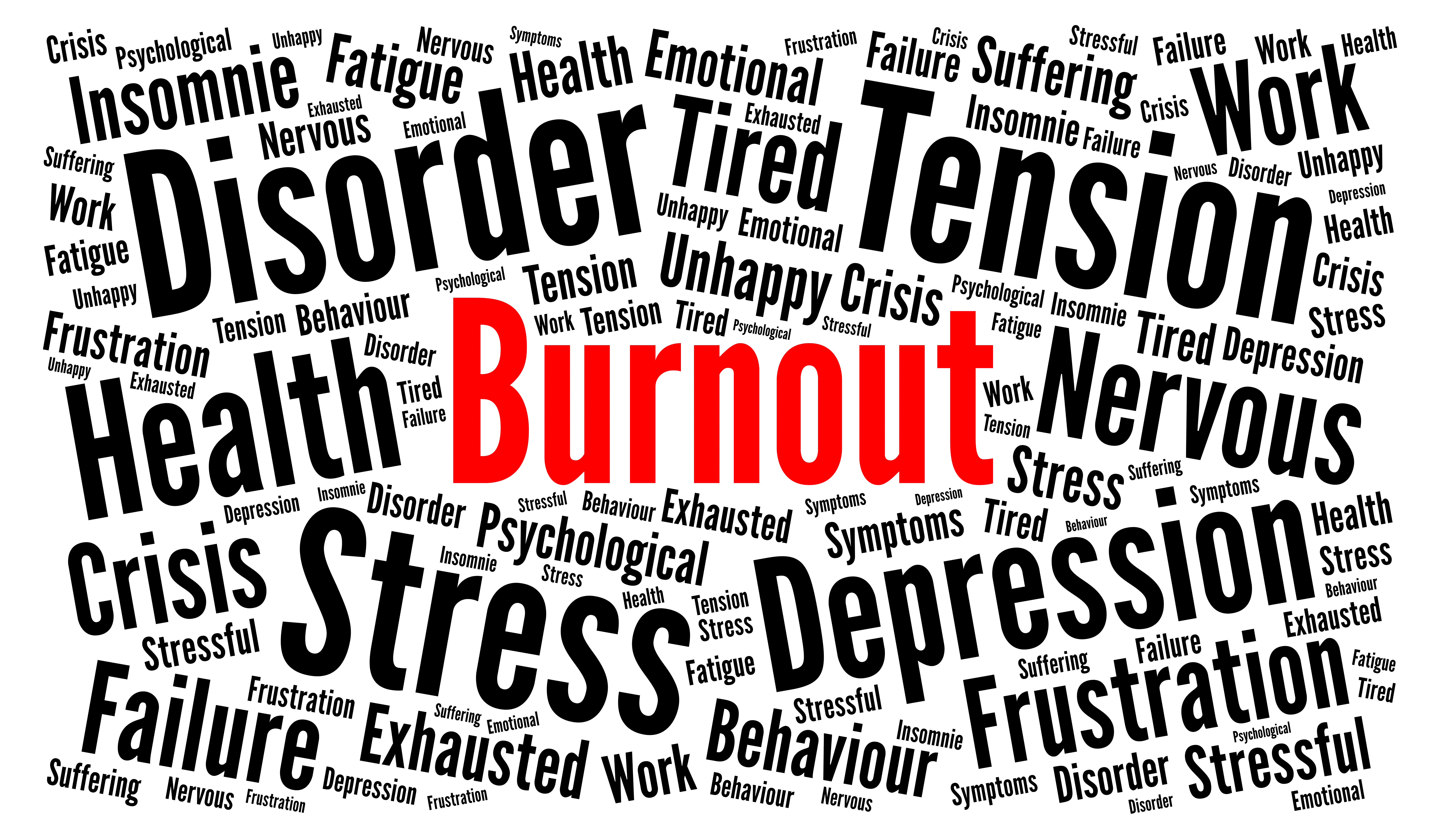
Redesigning Work for Sustainability

Addressing burnout requires leaders to look beyond individual behavior and examine how work is designed. Key questions include:

  • Are priorities clear and stable?
  • Are workloads realistic given available resources?
  • Do employees have autonomy over how they do their work?
  • Is rest respected, or quietly penalized?

When leaders take responsibility for these factors, burnout shifts from being a personal problem to an organizational challenge—one that can be solved through better design, not more grit.

A Cultural Reframe

Burnout is not a sign that people are weak. It is a signal that the system is strained. In a world that rewards busyness, leaders who choose to slow down are not falling behind they are building smarter, healthier, and more resilient organizations.

The future of work will not belong to those who move the fastest, but to those who design environments where people can perform at their best without burning out along the way.


The Power of Trust in Building Relationships

Most people share a common aspiration: to build powerful, long-term relationships both professionally and personally. Strong relationships at work drive collaboration, engagement, and career growth. At home, they form the foundation of emotional security, fulfillment, and resilience. Yet despite this universal desire, many people struggle with a fundamental question: where do you actually begin?

The answer, increasingly supported by organizational research and behavioral science, is clear. Enduring relationships are not built on charisma, authority, or even shared interests alone. They are built on trust and trust must come first.

The Relationship Paradox

Many people attempt to strengthen relationships by focusing on surface-level actions: networking more aggressively, communicating more frequently, or trying to “add value” as quickly as possible. While these efforts are well-intentioned, they often miss the deeper issue. Without trust, even the most consistent communication or collaboration feels transactional, guarded, or short-lived.

This creates a paradox. People want deeper relationships, but they pursue them through tactics that only work after trust already exists.

Why Trust Comes First

Trust functions as the emotional and psychological safety net in any relationship. At work, trust allows colleagues to share ideas without fear, accept feedback without defensiveness, and rely on one another under pressure. At home, trust enables vulnerability, honest conversations, and mutual support during difficult moments.

When trust is present, relationships accelerate naturally. When it is absent, progress stalls regardless of effort.

Trust is built when people experience consistency between words and actions, fairness in decision-making, and genuine concern for their well-being. It is not a single moment or declaration; it is a pattern observed over time.

Building Trust in the Workplace

In professional environments, trust often starts with reliability. Meeting commitments, respecting time, and following through on promises signal competence and integrity. Transparency also plays a critical role. Leaders and colleagues who communicate clearly especially when outcomes are uncertain or are more likely to earn credibility.

Equally important is empathy. Employees and teams trust individuals who listen, acknowledge challenges, and respond thoughtfully rather than defensively. When people feel seen and respected, collaboration becomes stronger and conflict becomes more productive.

Building Trust at Home

At home, trust is rooted in emotional consistency. Being present, keeping commitments, and responding with honesty even when conversations are uncomfortable reinforces a sense of security. Small actions often matter more than grand gestures. Listening without interrupting, apologizing sincerely, and honoring boundaries build trust incrementally but powerfully.

Over time, these behaviors create an environment where relationships can deepen naturally, even as circumstances and life stages change.

Trust as the Unlock

The reason so many people struggle to build long-term relationships is not a lack of effort or intention. It is a misunderstanding of sequence. Trust is not the result of a strong relationship; it is the prerequisite.

When trust is established first, relationships at work and at home gain momentum. Communication improves, conflict becomes manageable, and connection becomes durable. In a world where relationships are increasingly strained, focusing on trust is not just a strategy. It is the starting point.

Practical Strategies for Building Unshakable Confidence

In a society that demands constant adaptation and resilience, confidence has emerged as a critical asset for both personal and professional growth. Whether it’s presenting a new project at work, navigating social interactions, or pursuing new ventures, confidence can significantly impact one’s ability to achieve success.

The Importance of Confidence

Confidence is more than just a feeling; it’s a fundamental trait that influences how individuals approach challenges and opportunities. Research indicates that confident people are more likely to take risks, persevere through setbacks, and achieve their goals. Dr. Sarah Thompson, a psychologist specializing in self-esteem and motivation, explains, “Confidence acts as a catalyst for action. It empowers individuals to step out of their comfort zones and embrace growth.”

Building Confidence: Practical Strategies

  1. Set Achievable Goals: Setting small, attainable goals can provide a sense of accomplishment and boost self-esteem. Achieving these goals creates a positive feedback loop, encouraging individuals to tackle more significant challenges.
  2. Embrace Failure: Viewing failure as a learning opportunity rather than a setback is crucial. By understanding that mistakes are a natural part of the growth process, individuals can develop resilience and a more positive outlook.
  3. Positive Self-Talk: The way we talk to ourselves matters. Replacing negative thoughts with positive affirmations can reshape our self-perception. “I am capable,” and “I can handle this” are powerful statements that can enhance confidence.
  4. Skill Development: Building competence in specific areas through education and practice can naturally increase confidence. As skills improve, so does the belief in one’s abilities.
  5. Seek Support: Surrounding oneself with supportive and encouraging individuals can make a significant difference. Constructive feedback and encouragement from others can bolster self-confidence.

The Workplace Connection

In the professional realm, confidence is often linked to leadership and success. Companies are increasingly recognizing the value of confident employees who can lead teams, innovate, and drive organizational growth. “Confident employees are more likely to take initiative, propose new ideas, and navigate the uncertainties of the business world,” notes John Carter, CEO of a leading consulting firm.

Confidence in Action: Success Stories

Consider the story of Emily Davis, a marketing manager who transformed her career by building confidence. Initially hesitant to voice her ideas, Emily started setting small goals and practicing positive self-talk. Over time, she began presenting her ideas more assertively, eventually leading her team to a successful product launch that garnered industry accolades.

Similarly, Michael Rodriguez, a recent college graduate, used confidence-building techniques to secure his dream job. Despite initial rejections, he remained persistent, refining his skills and maintaining a positive outlook. His confidence during interviews eventually landed him a coveted position at a top tech firm.

Confidence is a vital attribute that can be developed with intentional effort and practice. By setting achievable goals, embracing failure, practicing positive self-talk, developing skills, and seeking support, individuals can enhance their confidence and unlock new opportunities for success. As society continues to evolve, the importance of confidence in personal and professional spheres cannot be overstated. Building confidence is not just about achieving goals; it’s about fostering a mindset that empowers individuals to live their fullest potential.

The Positive Impacts of Vacations on Mental Health, Productivity, and Overall Well-Being

In a world where hustle culture often glorifies overwork and burnout, a recent study sheds light on the importance of taking time off. Contrary to the prevailing notion that incessant work leads to success, researchers have found that vacations play a crucial role in promoting mental health, enhancing productivity, and improving overall quality of life.

The study, conducted by a team of psychologists and published in the Journal of Behavioral Sciences, surveyed over 2,000 working professionals across various industries. The results revealed a striking correlation between vacation time and well-being, with participants reporting significant benefits from taking regular breaks from work.

One of the key findings of the study was the positive impact of vacations on mental health. Participants who took regular vacations reported lower levels of stress, anxiety, and depression compared to those who did not. Dr. Emily Roberts, lead researcher on the study, emphasized the importance of disconnecting from work to alleviate psychological strain. “Vacations provide an opportunity to recharge both mentally and emotionally, allowing individuals to return to work with renewed energy and focus,” she stated.

Furthermore, vacations were found to boost creativity and problem-solving skills. Time away from the daily grind allows individuals to gain new perspectives, explore different environments, and engage in activities that stimulate the mind. This fresh outlook often translates into increased innovation and efficiency upon returning to work.

In addition to mental health benefits, vacations were also linked to improved physical health outcomes. Research has shown that chronic stress, often exacerbated by long hours and workplace pressure, can have detrimental effects on the body. By taking regular breaks, individuals can reduce their risk of developing stress-related illnesses such as heart disease, hypertension, and obesity.

Employers are also beginning to recognize the importance of promoting a healthy work-life balance. Many companies are implementing policies that encourage employees to use their allotted vacation time and prioritize self-care. Companies like Google and Netflix are renowned for their generous vacation policies, which have been shown to improve employee morale, retention, and overall productivity.

Despite the evidence supporting the benefits of vacations, many individuals still struggle to disconnect from work. The rise of remote work and constant connectivity through smartphones has blurred the boundaries between work and leisure, making it challenging for people to fully unplug during their time off. Experts recommend setting boundaries, scheduling regular breaks, and prioritizing self-care to reap the full benefits of vacation time.

As we navigate an increasingly demanding and fast-paced world, taking time to rest and recharge is more important than ever. Whether it’s a tropical getaway, a weekend retreat, or a simple staycation, prioritizing vacation time is essential for maintaining balance, happiness, and well-being in both our personal and professional lives.

References

Roberts, Emily et al. “The Impact of Vacations on Mental Health and Well-Being: A Survey Study.” Journal of Behavioral Sciences, vol. 25, no. 3, 2023, pp. 45-62.