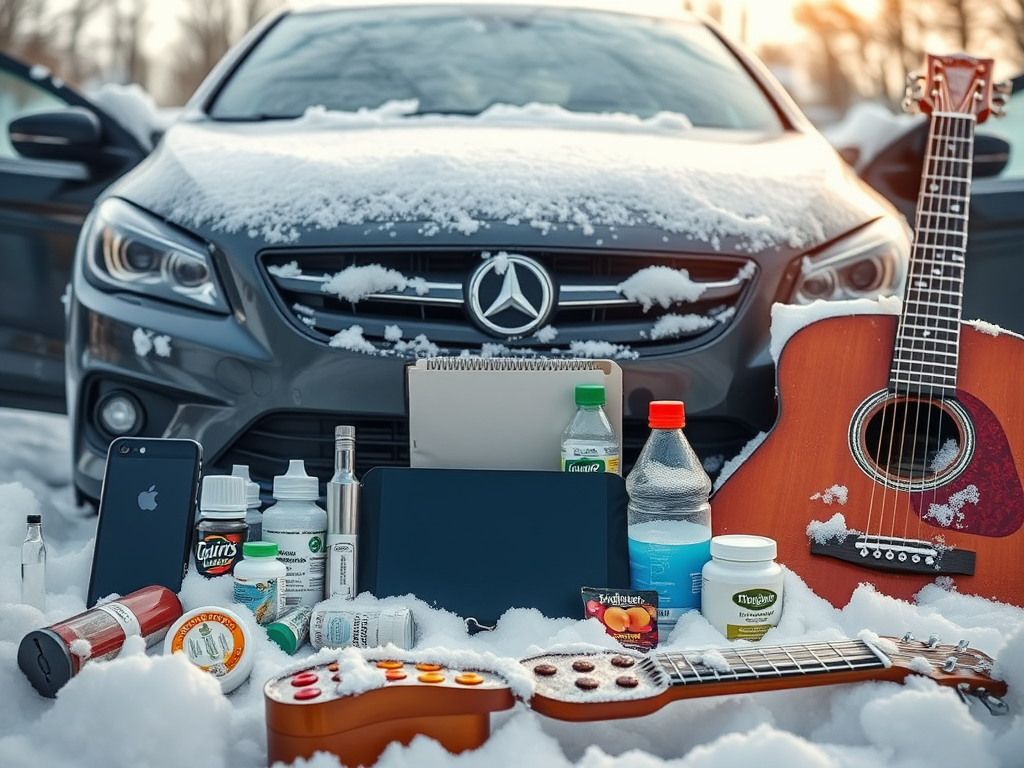
Winter Is Coming: What You Should Never Leave in Your Car During the Cold Months

Dropping temperatures bring more than icy roads and frosted windshields, they also pose hidden risks to everyday items left inside your vehicle. While a parked car may feel like a convenient storage space, freezing conditions can quickly turn it into an environment that damages belongings, creates safety hazards, and leads to unnecessary expenses.

Cold weather affects materials in different ways. Liquids expand when frozen, batteries lose charge, and certain products can become unstable or ineffective. Knowing what not to leave in your car during winter can help protect both your property and your personal safety.

Electronics are among the most vulnerable items. Smartphones, laptops, and tablets rely on lithium-ion batteries, which drain rapidly in cold temperatures and may suffer permanent damage. Screens can also crack when exposed to extreme cold, especially if the device is used before warming up.

Medications are another critical concern. Many prescriptions and over-the-counter drugs must be stored within a specific temperature range to remain effective. Insulin, inhalers, liquid medicines, and EpiPens can lose potency or fail altogether when frozen posing serious health risks.

Aerosol cans, including deodorant, hairspray, and cooking spray, should also be removed from vehicles in winter. When exposed to freezing temperatures, these pressurized containers can leak or burst, damaging your car’s interior and creating a potential safety hazard.

Food and beverages are commonly overlooked. Bottled water, canned goods, and sealed drinks can freeze and expand, causing containers to crack or explode. Glass bottles are especially risky, as they can shatter and leave sharp debris behind.

Personal care products such as lotions, shampoos, cosmetics, and toothpaste often freeze or separate in cold weather, making them unusable. Similarly, adhesives and glues can lose their bonding strength once frozen, rendering them ineffective for future use.

Musical instruments should never be left in a cold car. Wood and metal components react poorly to temperature fluctuations, leading to warping, cracking, or tuning instability, damage that can be costly or irreversible.

Important documents, including insurance papers and legal forms, can also suffer. Moisture and condensation inside a cold vehicle may cause papers to warp, smudge, or deteriorate over time.

Even safety equipment is not immune. Some fire extinguishers may lose pressure or fail to operate properly in extreme cold unless they are specifically rated for low temperatures.

As winter weather becomes more unpredictable, a simple habit of clearing your car at the end of the day can go a long way. Protecting these items not only saves money but also helps ensure your safety and peace of mind throughout the colder months.

Falling Back: Adjusting to the Changing Seasons and the Time Change

As the vibrant colors of fall begin to fade and the crisp chill of winter settles in, we prepare for one of the most noticeable transitions of the year—the end of Daylight Saving Time. On Sunday, November 2nd, clocks “fall back” one hour, marking the shift to standard time. While the extra hour of sleep sounds like a treat, the darker evenings and shorter days can affect more than just our schedules—they can influence our mood, energy, and overall well-being.

The Emotional Shift of Seasonal Change

Many people notice a change in their mood this time of year. With less sunlight and longer nights, it’s common to feel more sluggish, irritable, or even down. This phenomenon, often referred to as the “winter blues,” can stem from disruptions in our body’s internal clock and reduced exposure to natural light. Some individuals experience a more serious form called Seasonal Affective Disorder (SAD), which can bring on symptoms similar to depression.

Experts note that our brains rely on sunlight to regulate serotonin (the “feel-good” hormone) and melatonin (which controls sleep). When daylight hours shrink, so does our natural boost in mood and energy. But with a little preparation and self-care, you can ease the transition and keep your spirits high.

7 Simple Ways to Feel Better During the Time Change

  1. Set Your Clocks Back — Remember to turn your clocks back one hour before bed on Saturday night. It’s a small step that helps keep your schedule on track.
  2. Get Morning Sunlight — Spend at least 15–30 minutes outdoors in the morning light. It helps reset your body clock and improves alertness.
  3. Keep a Consistent Sleep Schedule — Go to bed and wake up at the same time each day, even on weekends. Consistency helps regulate your energy.
  4. Stay Active — Physical activity boosts mood and helps combat sluggishness. Try indoor workouts, yoga, or brisk walks during daylight hours.
  5. Eat Well — Foods rich in vitamin D, omega-3s, and whole grains can help stabilize mood and energy levels.
  6. Use Light Therapy — Consider a light therapy lamp to mimic natural sunlight if you spend most of your time indoors.
  7. Stay Social — Don’t hibernate! Stay connected with friends and family to keep your spirits up.

As we “fall back” into standard time, it’s a perfect opportunity to slow down, reflect, and adjust your routines for the months ahead. Embrace the cozy side of the season—warm drinks, soft blankets, and quiet evenings—and take care of both your body and your mind.

Because while we can’t control the darkness of winter, we can always create our own light. ☕🍂🕰️