Multifaceted Advantages of Marriage Beyond Romance

In an time where relationship dynamics are evolving rapidly, marriage still stands as a steadfast institution, offering a multitude of benefits that extend far beyond the realms of love and romance. Recent studies have shed light on the enduring strength of long-term partnerships, emphasizing their profound impacts on mental, physical, and even financial well-being.

Marriage, often dubbed as the ultimate commitment, serves as a cornerstone for emotional support and stability. According to research conducted by the American Psychological Association, married individuals tend to exhibit lower levels of stress and anxiety compared to their unmarried counterparts. The presence of a supportive partner can act as a buffer against life’s challenges, fostering resilience and enhancing overall mental health.

Furthermore, the benefits of marriage extend to physical health, with numerous studies highlighting its positive impact on longevity. A study published in the Journal of Epidemiology & Community Health found that married individuals have a lower risk of cardiovascular diseases and other chronic illnesses. The mutual support and encouragement inherent in a marital relationship can contribute to healthier lifestyle choices and better health outcomes.

Financial stability is another significant advantage associated with long-term partnerships. Joint finances and shared responsibilities often lead to greater economic security and resource pooling. Couples can leverage their combined assets to navigate financial challenges more effectively, whether it’s purchasing a home, investing in education, or planning for retirement. Additionally, tax benefits and spousal benefits offered by employers further bolster the financial advantages of marriage.

Beyond individual well-being, marriage also plays a pivotal role in societal cohesion and community resilience. Stable family units serve as the building blocks of a strong society, providing a nurturing environment for children to thrive and grow. Research consistently demonstrates that children raised in stable, two-parent households tend to fare better academically, socially, and emotionally.

Moreover, marriage fosters social connections and support networks, enriching the fabric of communities. Couples often form enduring friendships with other married individuals, creating a sense of belonging and camaraderie. These social bonds serve as a safety net during times of need and contribute to overall community cohesion.

While the benefits of marriage are undeniable, it’s essential to recognize that not all relationships follow the traditional marital path. Long-term partnerships encompass a diverse spectrum of arrangements, including cohabitation and civil unions, each with its own unique advantages. What remains constant, however, is the profound impact of committed, enduring partnerships on individual well-being and societal flourishing.
In an age marked by rapid social change and shifting norms, the enduring strength of marriage serves as a beacon of stability and resilience. Beyond its romantic allure, marriage offers a myriad of benefits that transcend the boundaries of love, enriching the lives of individuals and communities alike.

As we navigate the complexities of modern relationships, let us not overlook the profound value of long-term partnerships in fostering happiness, health, and prosperity for generations to come.

Elevating Golden Years: Seniors Staying Active with Hands and Minds

In the tapestry of life, our golden years should be a vibrant and fulfilling chapter. As we age, staying active becomes paramount for maintaining a healthy and happy lifestyle. In this blog post, we’ll explore the importance of seniors engaging both their hands and minds to unlock a world of possibilities, fostering well-being in the process.

Keeping Hands Busy

1. Embracing the Arts

Artistic endeavors are a fantastic way for seniors to keep their hands agile and creative juices flowing. From painting and drawing to pottery and crafts, the options are as diverse as the individuals themselves. Art not only provides a satisfying outlet but also stimulates the brain, promoting mental well-being.

2. Gardening Therapy

Getting hands dirty in the garden has therapeutic benefits for seniors. Planting flowers, tending to vegetables, and feeling the soil beneath their fingers connects them with nature. Gardening is not only a physical activity but also a mindful one, promoting relaxation and reducing stress.

3. Cooking Adventures

For many seniors, the kitchen is a sanctuary where creativity meets functionality. Trying out new recipes, experimenting with flavors, and preparing meals not only keeps hands nimble but also engages the mind in a delightful way.

Nurturing the Mind

1. Lifelong Learning

The adage “you’re never too old to learn” holds true. Seniors can engage their minds by taking up new hobbies, attending workshops, or even pursuing online courses. Lifelong learning not only keeps the brain active but also instills a sense of accomplishment.

2. Mind Games and Puzzles

Challenging the mind with puzzles, crosswords, and sudoku is an excellent way for seniors to maintain cognitive function. These activities stimulate memory, enhance problem-solving skills, and provide a daily mental workout.

3. Book Clubs and Writing

Reading and sharing thoughts on literature through book clubs can be a fulfilling social activity. Additionally, many seniors find joy in expressing their own thoughts and experiences through writing—whether it’s memoirs, poetry, or short stories.

The Power of Integration

1. Social Connections

Engaging in group activities, be it art classes, gardening clubs, or book discussions, fosters social connections. The combination of physical and mental engagement in a social setting contributes to a holistic approach to well-being.

2. Technology for Mind and Hands

Embracing technology opens up new avenues for seniors. From video calls with loved ones to interactive brain games, technology can be a powerful tool for staying connected and mentally active.

As the years unfold, the key to a fulfilling and active senior life lies in the harmonious integration of both hands and mind. Embracing creativity, pursuing lifelong learning, and maintaining social connections contribute to a vibrant tapestry of experiences in the golden years. By keeping hands and minds busy, seniors can continue to savor the richness of life and contribute to the colorful mosaic of the aging journey.

Aging Gracefully: The Vital Role of Exercise in Seniors’ Lives

As the sands of time continue to fall, the importance of maintaining an active lifestyle becomes even more crucial, especially for our beloved seniors. Aging is a natural part of life, but it doesn’t mean surrendering to a sedentary existence. In fact, engaging in regular exercise is a powerful tool that can enhance the quality of life for everyone, especially seniors in numerous ways.

  1. Physical Well-being: A Fountain of Youth

Aging often brings with it a myriad of physical challenges, from diminishing bone density to muscle loss and joint stiffness. However, regular exercise is akin to a fountain of youth, counteracting these effects and promoting overall physical well-being. Weight-bearing exercises, such as walking or strength training, can help maintain bone density and muscle mass, preventing conditions like osteoporosis and sarcopenia.

  1. Mental Agility: Exercising the Mind

The benefits of exercise extend beyond the physical realm—they also have a profound impact on cognitive function. Studies have shown that regular physical activity can help prevent cognitive decline and reduce the risk of developing conditions like Alzheimer’s disease. Engaging in activities that challenge the mind, such as dancing or participating in group exercise classes, stimulates brain function and keeps those synapses firing.

  1. Emotional Health: A Natural Mood Booster

The golden years should be a time of joy and fulfillment, but they often come with their fair share of life changes and challenges. Exercise, however, acts as a natural mood booster, releasing endorphins that combat stress, anxiety, and depression. Seniors who incorporate regular physical activity into their routines often report improved mood, increased self-esteem, and a greater sense of well-being.

  1. Social Connections: Building Bonds Through Movement

Exercise provides a fantastic opportunity for seniors to connect with others and build meaningful relationships. Group classes, walking clubs, or even simple strolls with friends create a sense of community and combat feelings of isolation. Social interactions foster emotional support, encourage a sense of belonging, and contribute to an overall positive outlook on life.

  1. Chronic Disease Management: A Preventive Measure

Many chronic conditions become more prevalent with age, including heart disease, diabetes, and arthritis. Exercise serves as a preventive measure and can help manage these conditions. Cardiovascular exercises, for instance, promote heart health, while regular physical activity helps control blood sugar levels and alleviates symptoms of arthritis.

In the grand tapestry of life, aging is but one thread. With the right mindset and a commitment to staying active, seniors can ensure that this chapter is filled with vibrancy, good health, and a sense of fulfillment. Exercise is not just a physical activity; it’s a celebration of life, a testament to the resilience of the human spirit, and a pathway to aging gracefully. So, let’s embrace the power of movement and empower our seniors to live their best lives—healthy, happy, and full of vitality. Even though I’m not officially a senior, regular exercise is part of my daily regime. So, regardless of age, let’s make sure we stay healthy and wealthy together. Remember age is just a number it’s the smile that matters the most, so keep exercising and smiling cause it really does look good on you.

Why Seniors Need Social Activities

Social activities play a crucial role in the well-being of seniors, providing them with a myriad of physical, mental, and emotional benefits. As individuals age, social connections become increasingly vital in warding off feelings of loneliness and isolation, which are prevalent among the elderly. Engaging in group activities allows seniors to build and maintain relationships, fostering a sense of community and belonging. This social interaction not only enhances their overall mood but also acts as a protective factor against mental health issues such as depression and anxiety.

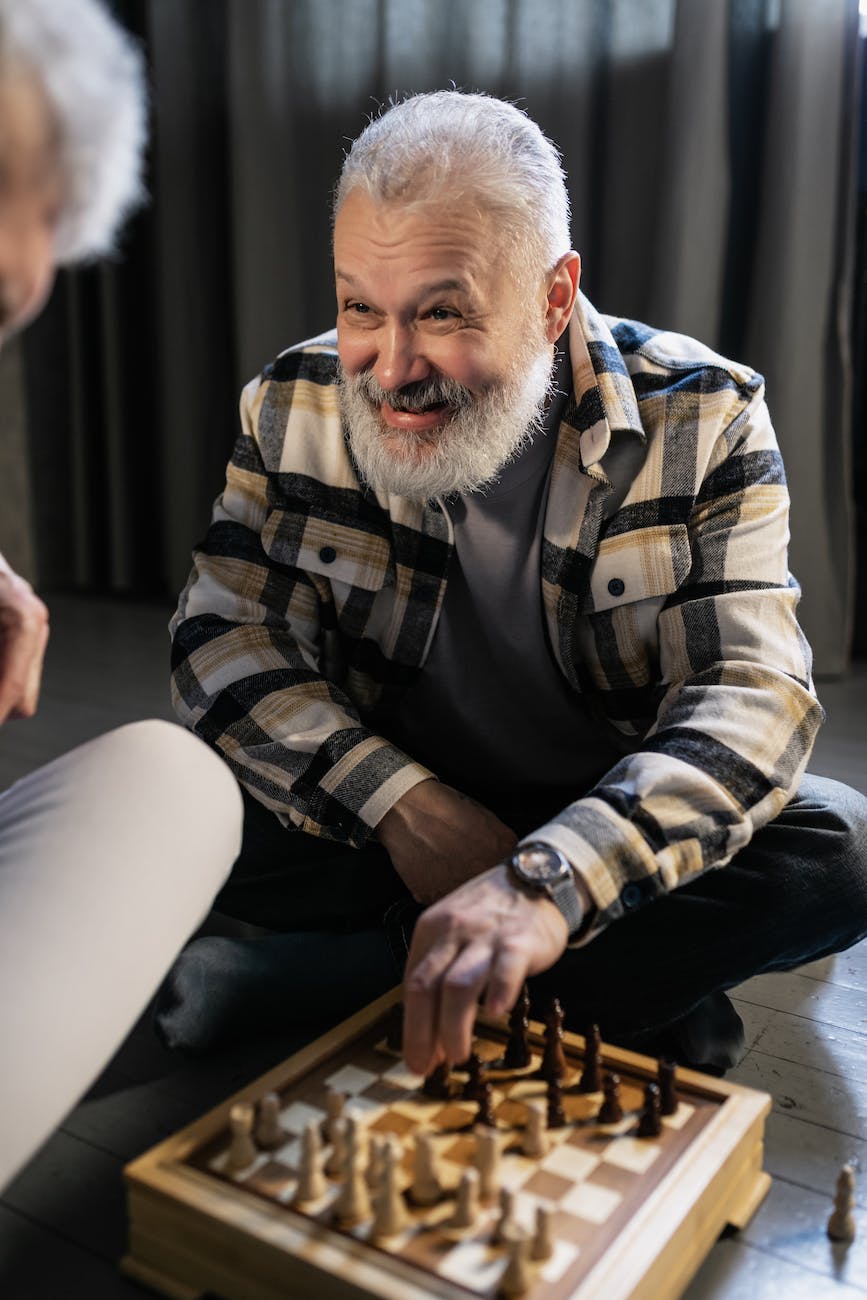
Photo by Alena Darmel on Pexels.com

Moreover, participating in social activities contributes to the cognitive health of seniors. Mental stimulation through social engagement has been linked to a lower risk of cognitive decline and dementia. Whether it’s playing board games, joining clubs, or attending social events, these activities challenge the brain, keeping it active and resilient. Additionally, the exchange of ideas and experiences in a social setting stimulates cognitive functions, contributing to improved memory, problem-solving skills, and overall mental sharpness.

On a physical level, social activities for seniors often involve movement and exercise, promoting better physical health. Regular physical activity is essential for maintaining mobility, preventing chronic conditions, and ensuring a higher quality of life. From dancing and yoga classes to walking groups, these activities not only provide health benefits but also create opportunities for seniors to connect with their peers, fostering a supportive environment that encourages an active lifestyle. In essence, social activities serve as a holistic approach to promoting the well-being of seniors, addressing their physical, mental, and emotional needs. I work with seniors of all ages and love to help put on events for them. If your young or old, near or far and in need of someone to talk with, please feel free to reach out or leave me a comment. Otherwise, and as I always say… keep smiling cause it really does look good on you.