Why You Should Consider Medical Payments Coverage for Your Auto Policy

When selecting auto insurance coverage, many drivers focus on liability, collision, and comprehensive coverage. However, one often-overlooked component that could make a significant difference in the event of an accident is Medical Payments Coverage, also known as MedPay.

What is Medical Payments Coverage?

MedPay is an optional add-on to your auto insurance policy that helps cover medical expenses for you and your passengers, regardless of who is at fault in an accident. This can include hospital visits, surgeries, X-rays, ambulance fees, and even funeral expenses.

Reasons to Consider Medical Payments Coverage

  1. Covers Out-of-Pocket Medical Expenses

Even if you have health insurance, MedPay can help cover deductibles, co-pays, and other out-of-pocket expenses. This means less financial burden in case of an accident-related injury.

  1. Provides Immediate Medical Coverage

Unlike health insurance, which may have waiting periods or require approvals for certain procedures, MedPay provides immediate coverage for medical costs, ensuring quick access to necessary treatments.

  1. Covers You and Your Passengers

MedPay not only covers the policyholder but also any passengers in the vehicle at the time of the accident. This can be especially beneficial if you frequently drive with family or friends.

  1. Extends Beyond Car Accidents

In many cases, MedPay can cover medical expenses if you are injured as a pedestrian, bicyclist, or even while riding public transportation, adding an extra layer of protection.

  1. No Deductibles or Co-Pays

Unlike standard health insurance, MedPay typically does not require a deductible or co-pay, allowing you to receive the full benefits of the coverage without additional costs.

A Small Price for Peace of Mind

Adding MedPay to your auto insurance policy is relatively affordable compared to other types of coverage. The cost varies based on your insurer and coverage limits, but it can provide significant financial relief in case of an accident.

While MedPay is optional in most states, its benefits make it a worthy consideration for drivers looking for extra financial protection. Consult with your insurance agent to determine if Medical Payments Coverage is right for you.

For more information about auto insurance options, contact your local insurance professional and reach out to me today. Let’s make sure you’re covered whatever comes your way.

About the Author:

David Dandaneau is a insurance agent that covers the insurance and financial services industry. He is known for his insightful analysis and comprehensive coverage of market trends and regulatory developments.

Florida’s Personal Injury Protection (PIP) Insurance: What Policyholders Need to Know

Florida — Personal Injury Protection (PIP) insurance is a critical component of auto insurance coverage for Florida drivers. As a no-fault state, Florida law requires motorists to carry PIP coverage to ensure swift access to medical treatment and other essential benefits after an accident, regardless of who is at fault.

What Is PIP Insurance?

PIP, also known as “no-fault insurance,” is designed to cover medical expenses, lost wages, and other costs associated with an accident. Florida law mandates that all vehicle owners carry a minimum of $10,000 in PIP coverage as part of their auto insurance policy.

What Does PIP Cover?

PIP provides a variety of benefits to policyholders, including:

Medical Expenses – Covers up to 80% of necessary medical costs, such as hospital visits, surgeries, rehabilitation, and diagnostic services, up to the policy limit.

Lost Wages – Compensates injured policyholders for lost income, covering up to 60% of wages if the injuries prevent them from working.

Death Benefits – Provides up to $5,000 in benefits to the family of a policyholder who dies as a result of an accident.

Replacement Services – Covers essential services such as childcare, housekeeping, or transportation if the injured person is unable to perform them due to the accident.

Key Limitations and Considerations

While PIP provides crucial financial relief, it does have limitations:

Coverage Limits – The $10,000 coverage may not be sufficient for severe injuries requiring long-term treatment.

Emergency Medical Condition (EMC) Requirement – Florida law requires policyholders to receive initial medical treatment within 14 days of an accident. If an injury is not deemed an EMC, PIP coverage may be limited to $2,500 instead of the full $10,000.

Exclusions – PIP does not cover property damage, and certain medical treatments may not be fully reimbursed.

Why PIP Matters in Florida

Florida’s PIP system ensures that drivers and passengers receive immediate medical care after an accident without waiting for fault to be determined. This reduces legal disputes and allows for faster claim processing. However, due to high fraud rates and rising insurance costs, there have been ongoing debates about potential reforms to Florida’s no-fault system.

For Florida drivers, understanding PIP coverage is essential for financial protection in the event of an accident. Policyholders should review their policies carefully and consider additional coverage options, such as Bodily Injury Liability (BIL) or MedPay, to enhance their protection. If you have questions about your auto insurance coverage, consulting with an experienced insurance agent can help you make informed decisions.

About the Author:

David Dandaneau is a insurance agent that covers the insurance and financial services industry. He is known for his insightful analysis and comprehensive coverage of market trends and regulatory developments.

Decoding TRICARE: Who’s Covered and Why It Matters

Navigating the world of healthcare can be a daunting task, especially for military families. Fortunately, there’s TRICARE—a comprehensive healthcare program designed to provide coverage for active duty service members, retirees, and their families. In this blog post, we’ll unravel the intricacies of TRICARE and explore who it covers and why it matters.

Military vaccination and immunization.

Understanding TRICARE:

TRICARE is the Department of Defense’s healthcare program, offering a range of health plans to meet the diverse needs of the military community. The program is not only for active duty service members but also extends its coverage to eligible family members, retirees, and certain reserve component members.

  1. Active Duty Service Members:
    • TRICARE Prime is the primary health care option for active duty service members. It offers comprehensive coverage and requires enrollment.
  2. Family Members:
    • Spouses and children of active duty service members can also benefit from TRICARE Prime, as well as other plans like TRICARE Select. These options provide flexibility in choosing healthcare providers and accessing a wide range of medical services.
  3. Retirees:
    • TRICARE offers different plans for military retirees, including TRICARE Prime, TRICARE Select, and TRICARE for Life. The availability of these plans depends on various factors such as age, location, and whether the retiree is eligible for Medicare.
  4. Reserve and National Guard Members:
    • Reserve and National Guard members may qualify for TRICARE Reserve Select, a premium-based health plan that offers comprehensive coverage similar to TRICARE Select.

Why TRICARE Matters:

  1. Comprehensive Coverage:
    • TRICARE provides a wide range of health services, from preventive care and routine check-ups to specialized medical treatments and surgeries.
  2. Accessibility:
    • With a vast network of healthcare providers, TRICARE ensures that beneficiaries have access to quality healthcare services, whether they’re stationed stateside or overseas.
  3. Cost-Effective Options:
    • TRICARE offers a variety of plans with different cost structures, allowing military families to choose the one that best fits their needs and budget.
  4. Continuity of Care:
    • For military families, having a reliable and consistent healthcare program is crucial. TRICARE provides continuity of care, even during relocations or deployments.

In the complex landscape of healthcare, TRICARE stands as a beacon of support for military families. From active duty service members to retirees and their families, TRICARE offers comprehensive coverage, ensuring that the brave individuals who serve our nation receive the healthcare they deserve. Understanding the different plans and eligibility criteria is key to maximizing the benefits of this vital program. TRICARE not only covers medical needs but also provides peace of mind, allowing military families to focus on what matters most—serving their country with dedication and resilience. If you are serving or have served thank you for you service. If you need help or questions answered about TRICARE or any other Medicare plan I’m a ping, text, or phone call away. Let’s do our best to help those who need it most, as we all look for solutions to all our healthcare concerns.

Navigating Healthcare Costs: A Comprehensive Guide to Understanding Medicare Supplements

In the complex landscape of healthcare, especially for seniors, understanding and managing costs is crucial. Medicare, the federal health insurance program for individuals aged 65 and older, provides essential coverage, but it doesn’t cover all expenses. This is where Medicare Supplements, also known as Medigap, come into play. Let’s delve into the world of Medicare Supplements, supported by statistics to shed light on their significance.

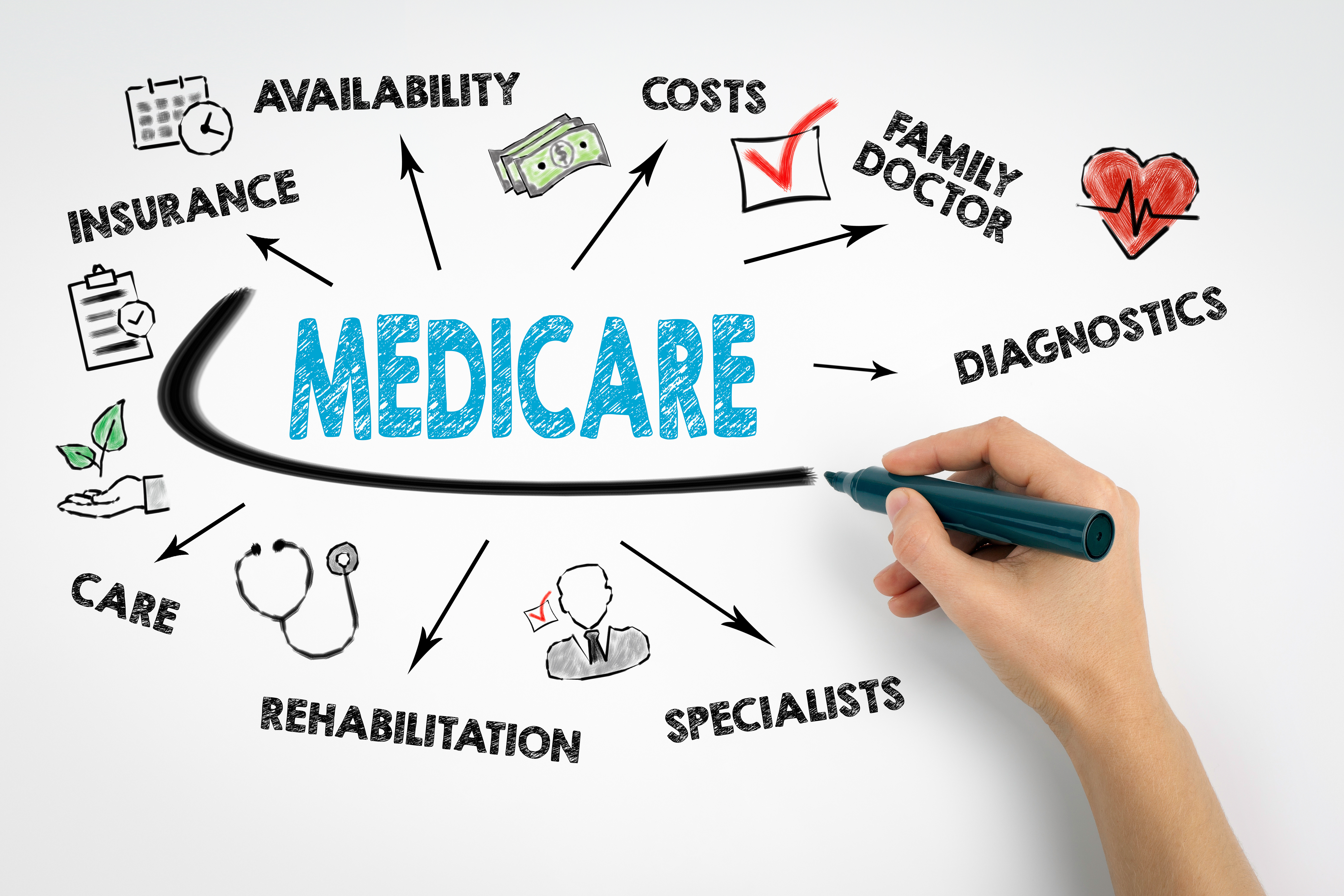
Medicare Conceptual Map

Rising Healthcare Costs: A Growing Concern According to a report by the Kaiser Family Foundation, the average annual premium for a Medicare Part B plan was $1,452 in 2021. With healthcare costs steadily rising, many seniors find it challenging to cover the gaps left by traditional Medicare. Healthcare costs have been rising at an average rate of 4% per year, outpacing inflation and wage growth.

Understanding Medicare Gaps: The Need for Supplements Medicare Parts A and B cover hospital and medical expenses, but there are gaps in coverage, including copayments, deductibles, and coinsurance. Medicare Supplements aim to fill these gaps, providing seniors with more comprehensive coverage. In 2021, the average deductible for Medicare Part B was $203, and the Part A deductible was $1,484 per benefit period.

The Popularity of Medicare Supplements Millions of seniors opt for Medicare Supplements to enhance their healthcare coverage. These plans are offered by private insurance companies and come in standardized packages, labeled from Plan A to Plan N. As of 2021, over 14 million Medicare beneficiaries were enrolled in Medigap plans, accounting for approximately 34% of all Medicare beneficiaries.

Cost Savings with Medigap Plans While Medicare Supplements come with their own premiums, they often result in significant cost savings for beneficiaries in the long run. This is especially true for individuals with frequent healthcare needs. A study by the American Association for Medicare Supplement Insurance found that Medigap Plan G, on average, could save beneficiaries over $1,000 per year compared to other plans.

Comparing Medigap Plans: A Matter of Choice With various Medigap plans available, it’s essential for seniors to choose the one that aligns with their healthcare needs and budget. Each plan offers different coverage options, allowing individuals to tailor their insurance to their specific requirements. In 2021, Plan F and Plan G were the most popular Medigap plans, collectively accounting for more than half of all Medigap enrollments.

As healthcare costs continue to rise, understanding the role of Medicare Supplements becomes increasingly important for seniors seeking comprehensive coverage. With millions of beneficiaries already benefiting from these plans, the statistics highlight the growing significance of Medicare Supplements in ensuring financial security and peace of mind in the realm of healthcare. If you need help picking the right Medicare Supplemental policies, drop me a line, give me a call or shoot me an email, as I would love to help. Otherwise, until next time don’t sweat the little things and keep smiling.

Why Managing your Health Can Help you Create Wealth

Investing in your health is akin to cultivating a fertile soil for the seeds of wealth to thrive. A robust state of well-being serves as the cornerstone for a prosperous life. When you prioritize your health, you’re making strategic decisions that ripple through every aspect of your financial landscape. Consider the productivity gains that emerge from sustained energy and mental clarity. By managing your health, you enhance your ability to perform at peak levels, whether in your career, entrepreneurial pursuits, or personal projects. This heightened productivity translates into tangible financial gains, as you become more efficient and effective in your endeavors, opening doors to advancement and increased income. Taking charge of your health isn’t just about feeling good—it’s a smart financial move too. Let’s break it down.

  1. Preventive Care Saves Money:
    • Regular health check-ups and preventive measures can catch potential issues early on, saving you from hefty medical bills down the road. Investing in preventive care is like putting money in a health savings account for the future.
  2. Reduced Medical Expenses:
    • Chronic conditions often come with high healthcare costs. By managing your health, you’re less likely to develop these conditions, reducing the financial burden associated with long-term medical care.
  3. Productivity Boost:
    • When you’re healthy, you’re more productive. Whether it’s at work or in your personal projects, being physically and mentally fit enables you to perform at your best. This can lead to career advancements, promotions, and increased income.
  4. Lower Insurance Premiums:
    • Maintaining good health can translate into lower health insurance premiums. Insurance providers often reward individuals with healthy lifestyles by offering lower rates. Over time, these savings can add up significantly.
  5. Longer Working Years:
    • Good health can extend your working years. If you’re able to stay in the workforce for a more extended period, you not only continue earning but also delay tapping into your savings for retirement.
  6. Quality of Life:
    • Wealth isn’t just about the money in your bank account; it’s also about the quality of life you lead. Good health contributes to a higher quality of life, allowing you to enjoy your wealth more fully.
  7. Mind-Body Soul Connection:
    • Mental health is a crucial aspect of overall well-being. A healthy mind is better equipped to handle stress, make sound financial decisions, and pursue opportunities that can contribute to your wealth.
  8. Economic Downturn Resilience:
    • During economic downturns or personal financial setbacks, good health can be a safety net. It reduces the likelihood of incurring additional medical expenses during already challenging times.
  9. Investing in Healthy Habits:
    • Healthy habits, such as regular exercise and a balanced diet, may seem like small expenses, but they’re investments in your long-term well-being. The returns on these investments can be seen in both your health and your financial stability.
  10. Opportunity Costs:
    • Illness often comes with opportunity costs. Time spent recovering or dealing with health issues is time not spent pursuing career opportunities, investments, or personal growth.

In essence, managing your health is a wise financial strategy. It not only safeguards your current assets but also lays the foundation for future wealth by ensuring you’re physically and mentally equipped to seize opportunities and navigate the challenges life throws your way. A healthy lifestyle is a prudent investment with compounding returns. The preventive measures you take today, such as preventative care, quality of life and healthy habits shield you from the escalating costs of potential health issues in the future. These measures not only reduce medical expenses but also contribute to an extended and more productive career. The longevity of your working years translates into a longer runway for wealth accumulation and delayed reliance on retirement funds. In essence, managing your health is a proactive strategy that not only safeguards your current financial well-being but lays the groundwork for sustained wealth creation over the long haul. I help people make better longterm decisions and if you have any additional strategies that your using to balance your health while creating wealth, please share. Otherwise, and as always keep smiling and living healthy, as it really does look good on you.