
For individuals entering the investment world, the sheer volume of choices like individual stocks, bonds, options, commodities, and more can feel overwhelming. Exchange-Traded Funds, commonly known as ETFs, have emerged as one of the most practical and efficient starting points for new investors. By combining diversification, accessibility, and flexibility, ETFs offer exposure to broad segments of the market while minimizing many of the risks associated with selecting individual securities.
Yet while ETFs are powerful tools, they are not a cure-all. Understanding both their capabilities and limitations is essential before incorporating them into a long-term investment strategy.

What Is an ETF?
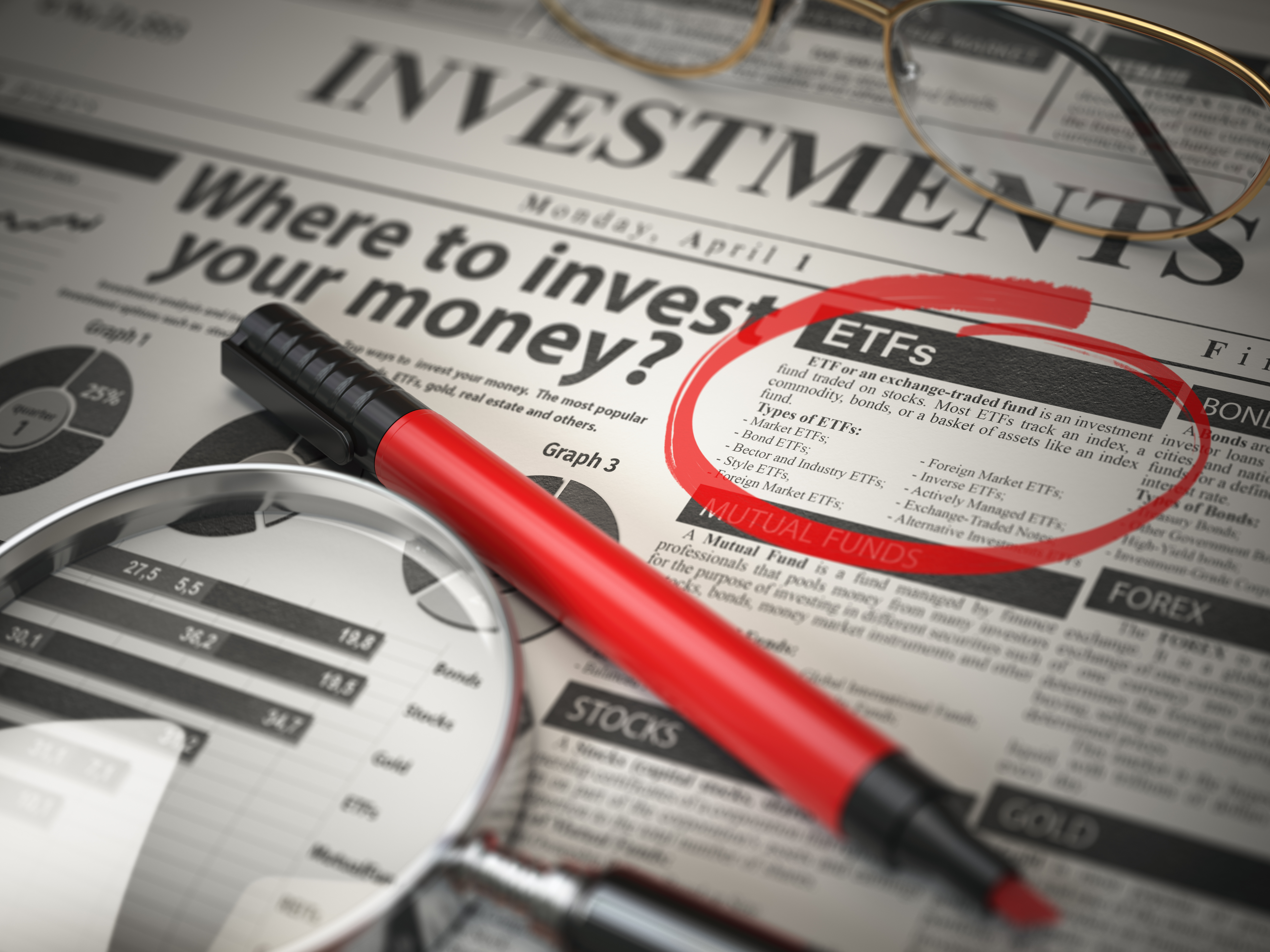
An Exchange-Traded Fund is a pooled investment vehicle that trades on a stock exchange, much like an individual stock. Each ETF holds a basket of underlying assets such as stocks, bonds, commodities, or other securities. When you purchase one share of an ETF, you are effectively purchasing partial ownership in all the assets within that fund.
For example:
- An S&P 500 ETF provides exposure to 500 of the largest U.S. companies.
- A bond ETF provides exposure to government or corporate debt.
- A sector ETF might focus solely on technology, healthcare, or energy.
This structure allows investors to diversify their portfolio instantly with a single transaction.
Why ETFs Are an Ideal Starting Point for Beginners
1. Instant Diversification
One of the biggest risks new investors face is concentration risk putting too much money into a single stock. ETFs mitigate this by spreading investments across dozens, hundreds, or even thousands of securities.
Instead of betting on one company, you can invest in an entire market segment.
2. Lower Costs Compared to Mutual Funds
Most ETFs are passively managed, meaning they track an index rather than relying on expensive active management. As a result, expense ratios are typically very low—often under 0.10% annually.
Lower fees translate into higher long-term returns, as fees compound negatively over time.
3. Ease of Trading
ETFs trade throughout the day on stock exchanges, just like individual stocks. Investors can buy or sell at any time during market hours, providing flexibility and liquidity.
4. Transparency
Most ETFs disclose their holdings daily, allowing investors to see exactly what they own. This transparency helps investors make informed decisions.
5. Accessibility
Many brokerage platforms allow investors to purchase ETFs with no commissions and relatively small amounts of capital.
Chart: Trade Opportunities Available Through ETFs
| Trade Opportunity | ETF Example Type | Risk Level | Potential Reward | Best For |
|---|---|---|---|---|
| Broad Market Exposure | S&P 500 ETF | Moderate | Steady long-term growth | Beginners, retirement investors |
| Sector Investing | Technology or Healthcare ETF | Moderate-High | Higher growth potential | Investors targeting specific industries |
| Dividend Income | Dividend ETF | Low-Moderate | Passive income + growth | Income-focused investors |
| Bond Exposure | Treasury or Corporate Bond ETF | Low | Stability and income | Conservative investors |
| International Markets | Emerging Markets ETF | High | High growth potential | Diversification seekers |
| Commodity Exposure | Gold or Oil ETF | High | Inflation hedge | Advanced diversification |
| Thematic Investing | AI, Clean Energy ETF | High | Significant upside potential | Growth-oriented investors |
| Defensive Investing | Consumer Staples ETF | Low-Moderate | Stability during downturns | Risk-averse investors |
What ETFs Can Do for You
Provide Diversification Efficiently
ETFs allow investors to spread risk across multiple companies and sectors without needing large amounts of capital.
Reduce Emotional Decision-Making
Instead of worrying about individual company performance, ETFs allow investors to focus on broader economic trends.
Build a Strong Long-Term Foundation
Many retirement portfolios are built primarily using broad-market ETFs due to their consistency and reliability.
Offer Exposure to Specialized Markets
ETFs make it possible to invest in areas that would otherwise be difficult to access, such as foreign markets, commodities, or niche sectors.
What ETFs Cannot Do for You
Guarantee Profits
ETFs follow the market. If the overall market declines, ETFs will decline as well.
Eliminate Risk
While diversification reduces risk, it does not eliminate it. Market downturns affect most ETFs.
Outperform the Market Consistently
Most ETFs are designed to match market performance, not exceed it.
Protect Against Poor Investment Timing
Buying during market highs can still lead to temporary losses, even with diversified ETFs.
ETFs vs Individual Stocks: Risk Comparison
| Feature | ETFs | Individual Stocks |
|---|---|---|
| Diversification | High | Low |
| Risk Level | Moderate | High |
| Volatility | Lower | Higher |
| Research Required | Moderate | High |
| Potential Reward | Moderate-High | High |
| Loss Potential | Reduced | Significant |
Why Many Professionals Recommend ETFs First
Warren Buffett, one of the most successful investors in history, has repeatedly recommended low-cost index ETFs for most investors. His reasoning is simple: consistently beating the market is extremely difficult, even for professionals.
ETFs allow investors to participate in overall economic growth without needing to predict which individual companies will succeed.
The Bottom Line
Exchange-Traded Funds represent one of the most efficient and accessible tools available to new investors. They offer instant diversification, low costs, transparency, and flexibility—making them an ideal starting point for building wealth.
However, investors must understand that ETFs are not risk-free. They reflect the performance of the underlying markets, meaning patience, discipline, and long-term thinking remain essential.
For those beginning their investment journey, ETFs provide something invaluable: a balanced and intelligent way to participate in the market while learning and growing as an investor.
Over time, they can serve not just as a starting point but as the foundation of a successful financial future.
References
Buffett, W. E. (2017). The essays of Warren Buffett: Lessons for corporate America (5th ed.). Carolina Academic Press.
Investment Company Institute. (2024). 2024 investment company fact book. https://www.ici.org
Morningstar, Inc. (2025). ETF investing guide: Understanding exchange-traded funds. https://www.morningstar.com
Securities and Exchange Commission. (2023). Exchange-traded funds (ETFs). U.S. Securities and Exchange Commission. https://www.sec.gov
U.S. Securities and Exchange Commission. (2024). Beginner’s guide to asset allocation, diversification, and rebalancing. https://www.investor.gov
Vanguard Group. (2024). Understanding ETFs: Benefits and risks. Vanguard. https://www.vanguard.com
BlackRock. (2025). ETF basics: What is an ETF? iShares by BlackRock. https://www.ishares.com


 Health to Wealth Ventures