Understanding the Link between Cardiovascular Disease and Financial Security

In a world where health uncertainties loom large, raising awareness about cardiovascular diseases has become more crucial than ever. Cardiovascular diseases, including heart attacks and strokes, continue to be leading causes of global morbidity and mortality. As we strive for better health, it is equally important to consider financial protection, with life insurance emerging as a critical component of that strategy.

The Silent Threat of Cardiovascular Disease: A Global Concern

According to the World Health Organization (WHO), cardiovascular diseases claim the lives of approximately 17.9 million people each year, making up 31% of all global deaths. These conditions not only pose a severe threat to one’s health but can also have significant financial implications for individuals and their families.

Cardiovascular diseases can strike unexpectedly, leading to medical expenses, rehabilitation costs, and potential loss of income due to extended recovery periods. Many individuals are caught off guard, unprepared for the financial burden that accompanies such health crises.

Why Life Insurance Matters: Financial Security in the Face of Uncertainty

Life insurance serves as a crucial safety net, providing financial protection for individuals and their families in the event of unexpected tragedies. It ensures that loved ones are not left grappling with the financial aftermath of medical bills, funeral expenses, and potential debts.

Key Reasons to Consider Life Insurance in the Context of Cardiovascular Health:

  1. Financial Stability for Dependents: Life insurance acts as a financial cushion, offering stability for dependents in the face of sudden illness or untimely death.
  2. Covering Outstanding Debts: In the event of a cardiovascular event, life insurance can help cover outstanding debts, preventing the transfer of financial burdens to surviving family members.
  3. Ensuring Future Planning: Life insurance can be a vital tool for future financial planning, helping individuals secure their family’s well-being and education even in their absence.
  4. Peace of Mind: Knowing that loved ones are financially protected can provide peace of mind, reducing stress and contributing positively to overall well-being.

Creating Awareness and Taking Action:

Educating individuals about the risks of cardiovascular diseases and the importance of life insurance is a shared responsibility. Health organizations, insurance companies, and community leaders should collaborate to spread awareness through informational campaigns, workshops, and educational initiatives.

By understanding the critical link between cardiovascular health and financial security, individuals can make informed decisions about their well-being and that of their families. Taking proactive steps, such as adopting a healthy lifestyle and securing life insurance coverage, ensures a more resilient future in the face of life’s uncertainties.

As we navigate the complexities of modern life, let us prioritize both our physical health and financial well-being, recognizing that a holistic approach is the key to a more secure and prosperous future.
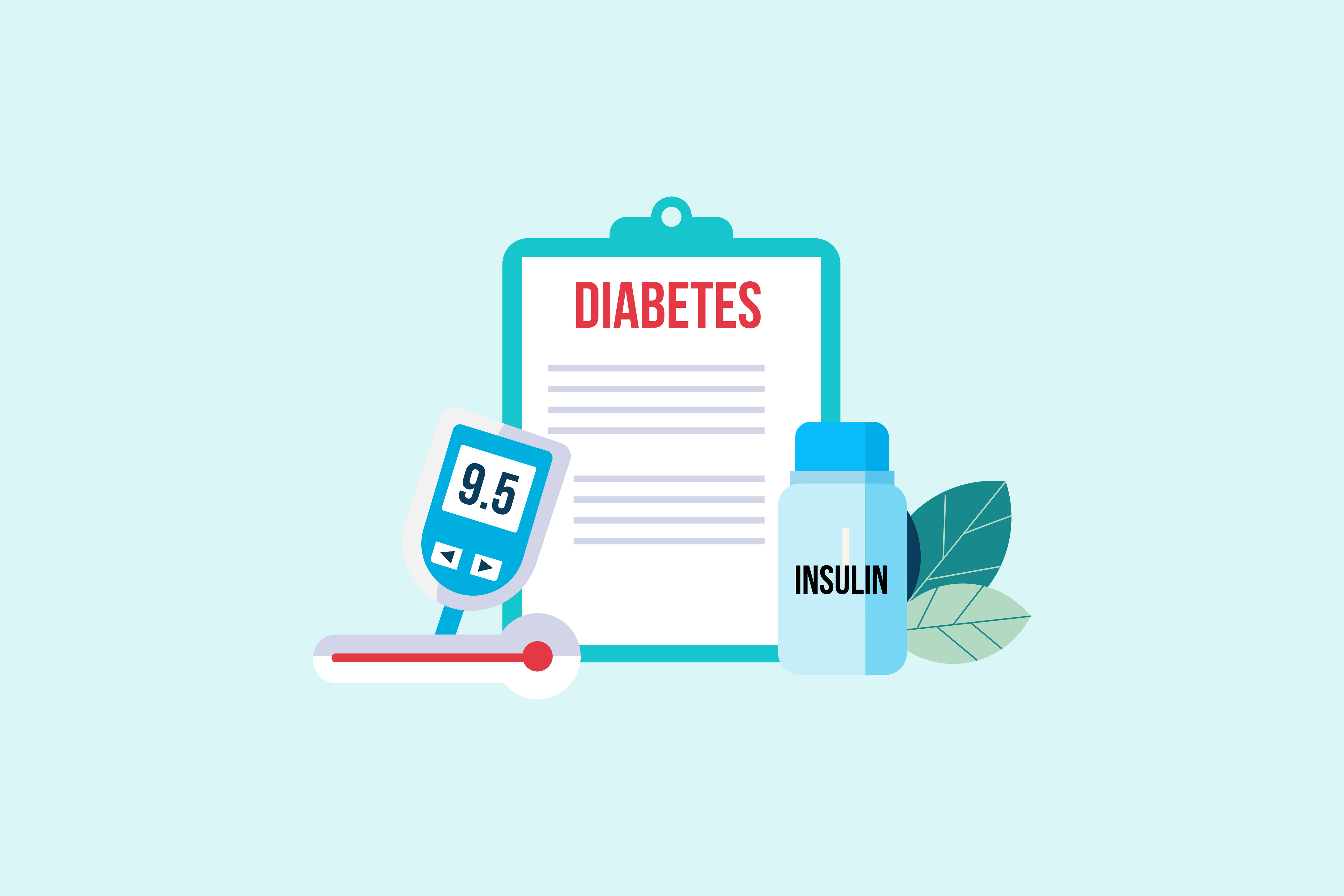

Unmasking the Silent Epidemic: Diabetes Awareness

Diabetes, often referred to as the silent epidemic, is a chronic condition that affects millions of people worldwide. The importance of diabetes awareness cannot be overstated, as it plays a crucial role in prevention, early detection, and improved management of this chronic disease.

  1. Global Prevalence: Diabetes knows no boundaries, affecting people of all ages, races, and backgrounds. According to the International Diabetes Federation (IDF), approximately 463 million adults (20-79 years) were living with diabetes in 2019. This number is expected to rise to 700 million by 2045 if current trends persist.
  2. Types of Diabetes: Diabetes is not a one-size-fits-all condition. There are primarily two types: Type 1, an autoimmune disease usually diagnosed in childhood, and Type 2, which is often linked to lifestyle factors. Approximately 90% of diabetes cases are Type 2.
  3. Impact on Health: Diabetes is more than just high blood sugar. It can lead to a range of complications, including cardiovascular diseases, kidney failure, blindness, and nerve damage. In fact, diabetes is a leading cause of death globally.
  4. Economic Burden: Beyond its impact on health, diabetes places a significant economic burden on individuals and healthcare systems. The IDF estimates that global healthcare spending on diabetes reached $760 billion in 2019.
  5. Rise in Childhood Diabetes: Disturbingly, there has been an increase in the number of children and adolescents diagnosed with Type 2 diabetes, traditionally seen in adults. This shift is attributed to sedentary lifestyles and poor dietary habits.
  6. Contributing Factors: Lifestyle factors such as poor diet, lack of physical activity, and obesity play a crucial role in the development of Type 2 diabetes. Genetic predisposition also contributes to the risk.
  7. Prevention and Awareness: The good news is that diabetes is largely preventable. Simple lifestyle modifications, such as a healthy diet, regular exercise, and weight management, can significantly reduce the risk. Public awareness campaigns are crucial to educate individuals about the importance of early detection and prevention.

As the diabetes epidemic continues to escalate, understanding the disease is a vital step toward addressing this global health crisis. By promoting awareness, advocating for healthier lifestyles, and supporting ongoing research, we can collectively work towards a world where the prevalence of diabetes is not just a statistic, but a thing of the past. What are your thoughts on this deadly disease? Drop me a line, send me a note, or give me a call if you would like to discuss this topic in more depth. And until next time make sure to continue smiling cause it really does look good on you.

Long-Term Care Awareness Month: The Importance of Planning your Future

Long Term Care Awareness Month is the perfect time to shed light on the importance of planning for your future well-being. As we go through life, it’s easy to overlook the possibility that we may require assistance with daily activities as we age. However, the reality is that long-term care services might become a necessity for many of us.

  • Changing Demographics: The aging population is increasing, and with longer life expectancies, the need for long-term care is becoming more prevalent. Highlighting these demographic shifts can emphasize the importance of being prepared for the potential challenges that come with aging. As of 2021, around 16.5% of the U.S. population is aged 65 and older. This number is expected to increase significantly in the coming decades.
  • Financial Protection: Long-term care can be expensive, and without proper planning, it could significantly impact your financial stability. Discussing the financial aspects of long-term care and how planning ahead can provide a safety net for your assets is crucial. While the ownership of long-term care insurance has decreased in recent years, it remains an essential tool for financial planning. In 2020, approximately 7.2 million Americans were covered by long-term care insurance policies
  • Preserving Independence: Long-term care doesn’t just mean nursing homes. It can encompass a range of services that allow individuals to age gracefully in their own homes. Emphasizing the importance of maintaining independence and the role of long-term care in enabling this can be a powerful motivator. There is a growing preference for home and community-based services. As of 2018, about 4.5 million people received these services, allowing them to age in place.
  • Family Dynamics: Long-term care can also affect your family members. Discussing the potential impact on your loved ones and how planning ahead can ease the burden on them emotionally and financially can be a persuasive argument. It is estimated that approximately 70% of individuals turning 65 will require some form of long-term care services in their lifetime.
  • Peace of Mind: Knowing that you have a plan in place for your long-term care needs can provide peace of mind. It allows you to focus on enjoying your retirement and the later stages of life without the constant worry about what might happen if you need assistance.
  • Healthcare System Considerations: Exploring the strain on the healthcare system due to the increasing demand for long-term care services can underscore the importance of individual responsibility in planning for one’s future care needs. The cost of long-term care can vary, but on average, a private room in a nursing home can cost over $100,000 per year. In-home care services can also be expensive, with costs varying based on the level of assistance needed.
  • Educational Resources: Use Long Term Care Awareness Month as an opportunity to provide educational resources. Share information about different long-term care options, how they work, and steps individuals can take to prepare for their future care.

Remember, the key is to approach the topic with a positive and proactive mindset. Long-term care planning is an investment in your future well-being, and creating awareness during this month can inspire others to take the necessary steps to ensure a secure and comfortable retirement. If you need help obtaining a policy give me a shout, drop me a line or give me a call and I would be happy to help you find the right policy..