
Wearable fitness technology has quickly evolved from a novelty into an essential tool for those committed to improving their health and wellness. From wristbands that count steps to smartwatches that monitor heart rhythms, these devices are changing the way people track, understand, and improve their physical well-being.
Revolutionizing Personal Health
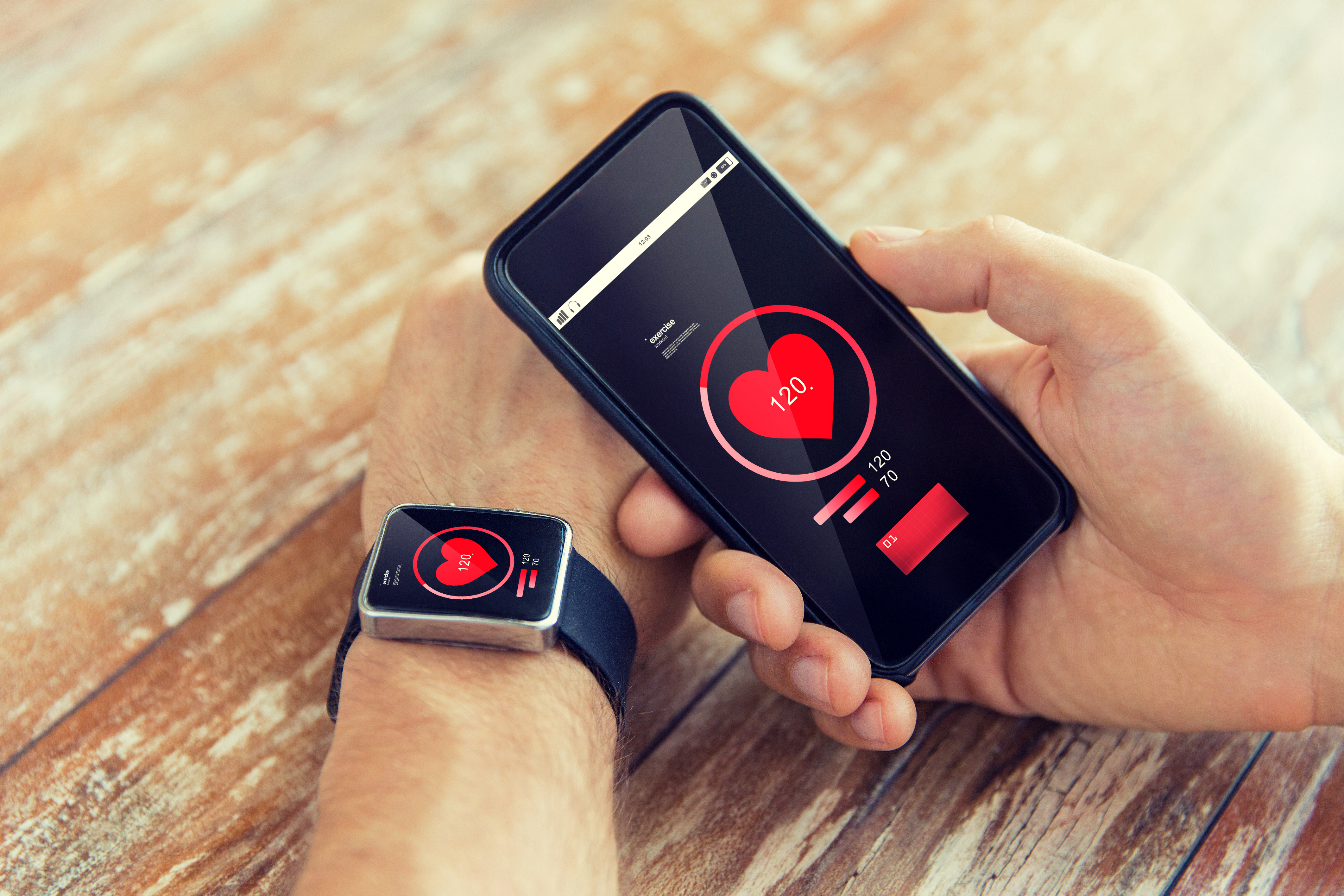
Fitness trackers like Fitbit, Apple Watch, Garmin, and Whoop are no longer just glorified pedometers. They now offer a range of features including heart rate monitoring, sleep analysis, stress tracking, oxygen saturation levels, ECG functionality, and even menstrual cycle prediction. These tools provide users with real-time feedback and long-term data that can guide decisions about exercise, diet, and rest.
“Knowledge is power,” says Dr. Elena Moore, a sports medicine physician. “When people can see their daily activity and trends over time, they’re more motivated to stay active and adjust habits to reach their goals.”
Integration with Everyday Life
Wearables are now deeply integrated with smartphones, health apps, and even digital healthcare systems. Many allow users to sync their data with services like Apple Health, Google Fit, or MyFitnessPal, enabling a holistic view of health that combines nutrition, fitness, and medical records.
With the rise of AI-powered coaching, some wearables also offer personalized workout suggestions or alerts when the user might be overtraining. “It’s like having a personal trainer on your wrist,” notes tech analyst Jordan Singh.
Impact on the Fitness Industry
The fitness industry is adapting to this trend. Gyms and personal trainers often incorporate wearable data into their programs, using metrics to customize routines and measure progress more accurately. Insurance companies, too, are starting to offer discounts for policyholders who share health data from verified devices—a move aimed at promoting preventive care.
Privacy Concerns and Challenges
Despite their benefits, wearable fitness devices raise concerns about data privacy. As these tools collect sensitive health information, experts stress the importance of strong data protections and transparent policies. Users are urged to review privacy settings and understand what information is shared with third parties.

The Future of Fitness Tracking
Looking ahead, the next generation of wearables is expected to be even more sophisticated, with sensors capable of detecting hydration levels, glucose readings, and posture correction. Smart clothing and biometric tattoos are also on the horizon, promising even more seamless health monitoring.
In a world increasingly focused on personalized health and well-being, wearable fitness tech is not just a trend—it’s a movement. As technology continues to advance, staying informed and mindful of how we use it will be key to getting the most out of every step, beat, and breath.


 Health to Wealth Ventures