Tips to Ease the Transition of Daylight Saving Time

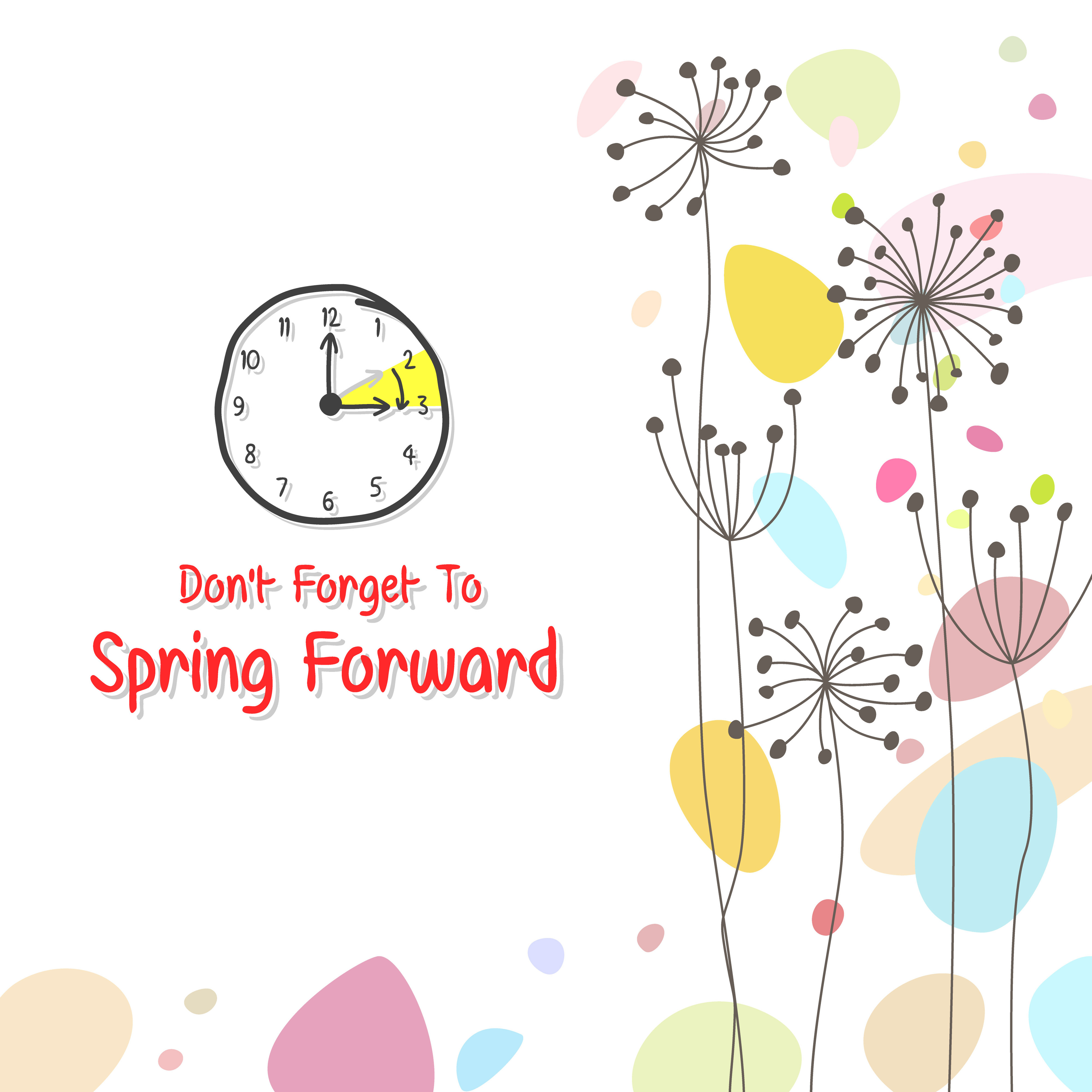
As daylight saving time approaches, many individuals are gearing up to set their clocks forward, signaling the onset of longer, brighter evenings. While this change brings the promise of warmer weather and extended daylight hours, it also disrupts our internal body clocks, potentially leading to feelings of fatigue and grogginess. To help navigate this biannual transition smoothly, experts recommend several strategies to cope with the upcoming time change.
1. Gradually Adjust Sleep Schedule: Begin adjusting your sleep schedule a few days before the time change by going to bed and waking up 15-30 minutes earlier each day. This gradual shift can help your body adapt more easily to the new time.

2. Prioritize Sleep Hygiene: Create a sleep-friendly environment by dimming the lights, reducing screen time before bed, and maintaining a comfortable room temperature. Establishing a calming bedtime routine can signal to your body that it’s time to wind down and prepare for rest.

3. Exposure to Natural Light: Take advantage of the extended daylight hours by spending time outdoors during the day, especially in the morning. Natural light exposure helps regulate your internal clock, making it easier to adjust to the time change.

4. Limit Caffeine and Alcohol Intake: Avoid consuming caffeine and alcohol close to bedtime, as they can interfere with your sleep quality and make it harder to fall asleep or stay asleep during the night.

5. Stay Active: Engage in regular physical activity, but try to avoid vigorous exercise close to bedtime, as it may interfere with your ability to fall asleep. Instead, aim for moderate-intensity activities earlier in the day to promote better sleep at night.

6. Nap Strategically: If you feel excessively tired during the transition period, taking short, 20-30 minute naps earlier in the day can help alleviate fatigue without disrupting your nighttime sleep schedule.

7. Be Patient: Recognize that it may take your body some time to adjust to the new time schedule, so be patient with yourself and prioritize self-care during this transition period.

8. Maintain Consistency: Stick to a consistent sleep schedule, even on weekends, to help regulate your body’s internal clock. Consistency is key to minimizing the impact of the time change on your sleep patterns.

9. Consider Light Therapy: For individuals who continue to struggle with adjusting to the time change, light therapy can be beneficial. Light therapy involves exposure to bright artificial light during specific times of the day to help regulate sleep-wake cycles.

By implementing these strategies, individuals can ease the transition of daylight saving time and mitigate the potential negative effects on sleep and overall well-being. Remember, small adjustments and a proactive approach can make a significant difference in how smoothly you adapt to the changing season. Until next time, and for heavens sake don’t forget to keep smiling cause it really does look good on you!

Elevating Golden Years: Seniors Staying Active with Hands and Minds

In the tapestry of life, our golden years should be a vibrant and fulfilling chapter. As we age, staying active becomes paramount for maintaining a healthy and happy lifestyle. In this blog post, we’ll explore the importance of seniors engaging both their hands and minds to unlock a world of possibilities, fostering well-being in the process.

Keeping Hands Busy

1. Embracing the Arts

Artistic endeavors are a fantastic way for seniors to keep their hands agile and creative juices flowing. From painting and drawing to pottery and crafts, the options are as diverse as the individuals themselves. Art not only provides a satisfying outlet but also stimulates the brain, promoting mental well-being.

2. Gardening Therapy

Getting hands dirty in the garden has therapeutic benefits for seniors. Planting flowers, tending to vegetables, and feeling the soil beneath their fingers connects them with nature. Gardening is not only a physical activity but also a mindful one, promoting relaxation and reducing stress.

3. Cooking Adventures

For many seniors, the kitchen is a sanctuary where creativity meets functionality. Trying out new recipes, experimenting with flavors, and preparing meals not only keeps hands nimble but also engages the mind in a delightful way.

Nurturing the Mind

1. Lifelong Learning

The adage “you’re never too old to learn” holds true. Seniors can engage their minds by taking up new hobbies, attending workshops, or even pursuing online courses. Lifelong learning not only keeps the brain active but also instills a sense of accomplishment.

2. Mind Games and Puzzles

Challenging the mind with puzzles, crosswords, and sudoku is an excellent way for seniors to maintain cognitive function. These activities stimulate memory, enhance problem-solving skills, and provide a daily mental workout.

3. Book Clubs and Writing

Reading and sharing thoughts on literature through book clubs can be a fulfilling social activity. Additionally, many seniors find joy in expressing their own thoughts and experiences through writing—whether it’s memoirs, poetry, or short stories.

The Power of Integration

1. Social Connections

Engaging in group activities, be it art classes, gardening clubs, or book discussions, fosters social connections. The combination of physical and mental engagement in a social setting contributes to a holistic approach to well-being.

2. Technology for Mind and Hands

Embracing technology opens up new avenues for seniors. From video calls with loved ones to interactive brain games, technology can be a powerful tool for staying connected and mentally active.

As the years unfold, the key to a fulfilling and active senior life lies in the harmonious integration of both hands and mind. Embracing creativity, pursuing lifelong learning, and maintaining social connections contribute to a vibrant tapestry of experiences in the golden years. By keeping hands and minds busy, seniors can continue to savor the richness of life and contribute to the colorful mosaic of the aging journey.