Renting a home or apartment can be a convenient and flexible way to live, but many renters overlook a critical aspect of their financial security: renters insurance. If you’re currently renting, here’s why this affordable coverage should be on your radar.
Protect Your Personal Belongings Did you know your landlord’s insurance only covers the building structure, not your personal belongings? In the event of a fire, theft, or water damage, renters insurance can reimburse you for lost or damaged items such as electronics, furniture, and clothing.
Liability Coverage Accidents happen. If someone gets injured in your rental or you accidentally damage someone else’s property, renters insurance can help cover medical and legal costs. This liability coverage can save you thousands in out-of-pocket expenses.
Temporary Housing Costs If your rental becomes uninhabitable due to a covered event like a fire, renters insurance can help pay for temporary housing expenses, ensuring you have a safe place to stay while repairs are made.
It’s Surprisingly Affordable Most renters insurance policies cost less than a daily cup of coffee, with monthly premiums averaging around $15–$30. This small investment provides peace of mind and financial protection against unexpected events.
Peace of Mind Renters insurance eliminates the “what if” worries that come with renting. Knowing that you’re protected against unforeseen circumstances can help you focus on enjoying your home.
Don’t Wait Until It’s Too Late Disasters strike when you least expect them, and the cost of replacing everything you own or dealing with liability claims can be overwhelming. By getting renters insurance, you’re taking a proactive step to safeguard your financial future.
For more information or to get started with a renters insurance policy, contact me today. I’m here to help you find affordable coverage that fits your needs and protects what matters most.
About the Author:
David Dandaneau is a insurance agent that covers the insurance and financial services industry. He is known for his insightful analysis and comprehensive coverage of market trends and regulatory developments.
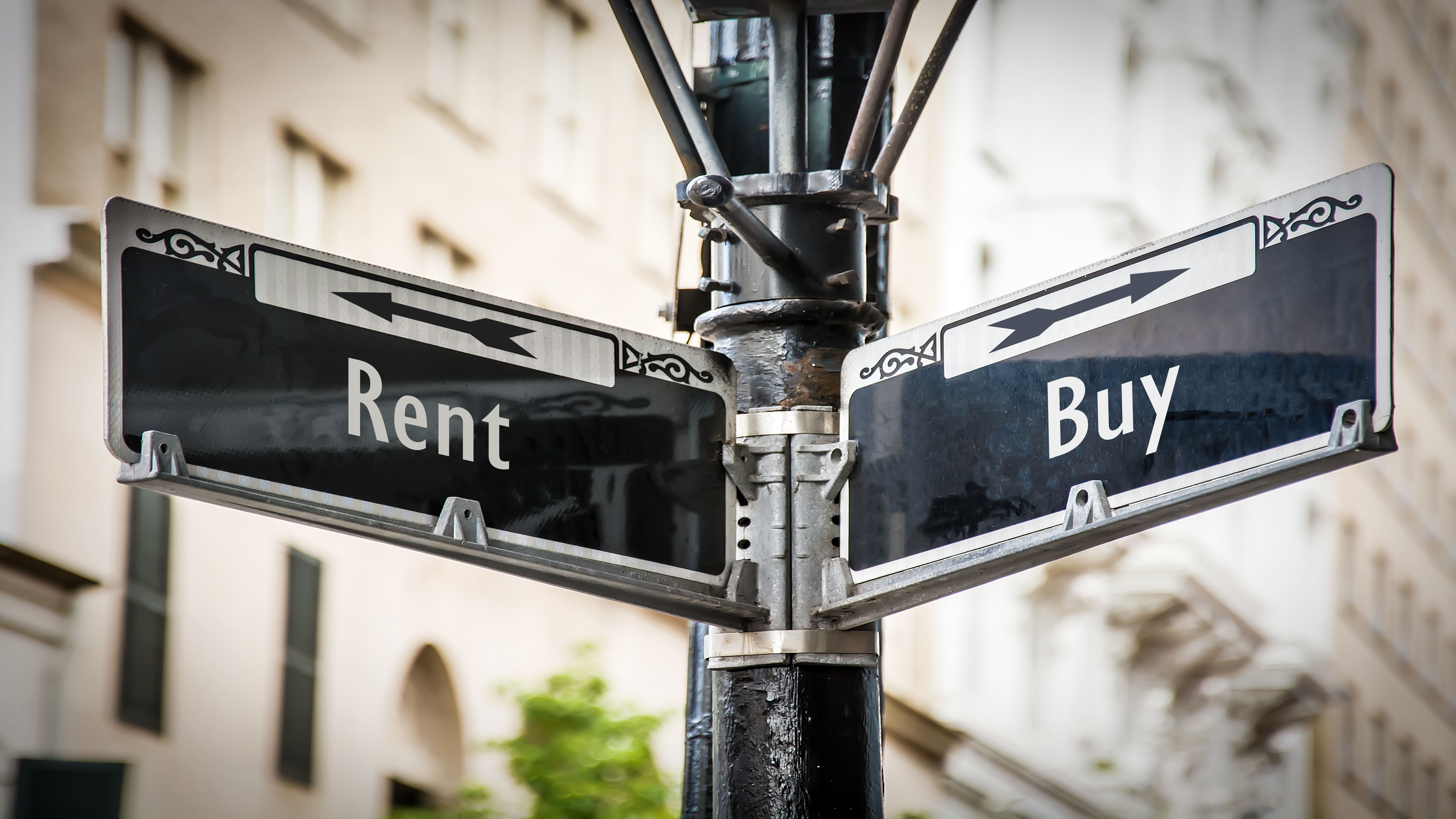
As retirement approaches, many individuals face a critical decision about where and how they’ll live: should they continue owning a home or switch to renting? Both options offer advantages and challenges, and the right choice depends on personal financial circumstances, lifestyle preferences, and long-term goals.
The Case for Owning a Home Owning a home has long been considered a key pillar of financial security, especially in retirement. For those who own their home outright, this can mean living without the burden of monthly mortgage payments and the ability to build equity over time. Here are a few reasons why many retirees choose to own:
Stability and Predictability: Owning a home provides stability and protection from rising rents, which can be especially valuable on a fixed income. Property taxes, insurance, and maintenance costs may fluctuate, but they’re often more predictable than rent increases.
Equity and Investment Potential: For those who have paid off their mortgage, a home is a valuable asset. It can be sold or leveraged as equity for a reverse mortgage, providing financial flexibility. Additionally, property values may appreciate over time, offering the potential for profit if the home is eventually sold.
Freedom and Personalization: Homeowners have the freedom to modify their living space without landlord restrictions. They can make accessibility modifications, renovate, or create the perfect environment for their retirement lifestyle.
However, owning a home also comes with responsibilities. Property taxes, maintenance, and repairs can be costly and time-consuming. For retirees who want a more carefree lifestyle, these ongoing expenses and duties may be burdensome.
The Benefits of Renting in Retirement Renting offers a different set of advantages that can appeal to retirees looking for flexibility and less financial commitment. Here’s why renting may be the preferred option for some:
Flexibility and Mobility: Renting allows retirees to move easily without the complications of selling a home. For those who want to spend their retirement traveling, downsizing, or relocating to be closer to family or better weather, renting offers the freedom to do so without the constraints of homeownership.
Reduced Maintenance Responsibilities: With renting, landlords typically handle property upkeep and repairs, relieving retirees from the hassle and expense of home maintenance. This can be particularly appealing for those who want to avoid physical labor or unpredictable repair costs.
Access to Amenities: Many rental communities cater to retirees, offering amenities like pools, fitness centers, social activities, and transportation services. These can enhance quality of life without the added cost or responsibility of owning such amenities.
However, renting also has its downsides. Renters may face annual rent increases, which can strain a fixed income, and there is no opportunity to build equity or benefit from property value appreciation. Additionally, renters are subject to the rules and restrictions set by landlords, which may limit personalization or changes to the living space.
Financial Considerations The financial aspect of renting versus owning is often the deciding factor for many retirees. For those with a paid-off home, staying put can be more cost-effective. However, for retirees who still carry a mortgage or have high property taxes, selling and renting might free up capital and reduce monthly expenses.
It’s also important to consider healthcare needs and long-term planning. Renting may be beneficial for those who anticipate needing assisted living or other senior services that are often available in rental communities.
Making the Right Choice There is no one-size-fits-all answer when it comes to deciding between renting and owning in retirement. It’s essential for retirees to evaluate their financial situation, health, and lifestyle preferences. Consulting with a financial advisor or retirement planner can provide clarity and help make an informed decision.
Whether choosing to rent or own, the key is to ensure that the living arrangement aligns with one’s financial stability, comfort, and long-term happiness in retirement.
About the Author:
David Dandaneau is a insurance agent that covers the insurance and financial services industry. He is known for his insightful analysis and comprehensive coverage of market trends and regulatory developments.





 Health to Wealth Ventures