
Estate planning is often postponed because it feels complex or uncomfortable. However, one of the most practical and effective tools available is a trust. Establishing a trust can provide clarity, protection, and efficiency for your assets after you die, while also reducing stress for your loved ones. For homeowners in particular, placing a home into a trust and aligning your homeowners insurance accordingly can be a critical but often overlooked step.

What Is a Trust and Why Does It Matter?
A trust is a legal arrangement in which one party (the trustee) holds and manages assets on behalf of beneficiaries according to instructions you set. Unlike a will, many trusts allow assets to bypass probate, the court-supervised process that can be time-consuming, costly, and public.
Key benefits of a trust include:
- Avoiding probate delays
- Maintaining privacy
- Providing clearer asset distribution
- Offering continuity if you become incapacitated
- Reducing the likelihood of disputes among heirs
For many families, these advantages alone justify serious consideration.
Why Include Your Home in a Trust?
For most people, their home is their largest asset. Placing your home into a trust can simplify its transfer to heirs and ensure continuity of ownership. However, doing so requires coordination beyond just updating a deed.
One critical step is updating your homeowners insurance policy.
If your home is owned by a trust, the trust should typically be listed as either:
- The named insured, or
- An additional insured on the policy
Failing to align insurance with ownership can create coverage gaps. In the event of a claim, an insurer may question whether the correct legal entity is covered, potentially delaying or complicating payouts. Properly titling the policy helps ensure:
- Claims are paid without dispute
- Liability protection extends to the trust
- Coverage reflects the true owner of the property
This is a detail many homeowners miss and one that can have serious consequences if overlooked.
Things to Consider When Establishing a Trust (Beyond Insurance)
While insurance alignment is important, it is only one piece of the decision. When creating a trust, you should also consider:
1. Type of Trust
- Revocable trusts offer flexibility and control during your lifetime.
- Irrevocable trusts may provide tax or asset-protection benefits but limit your ability to make changes.
2. Trustee Selection
Choosing a responsible trustee is critical. This can be a trusted individual or a professional institution. The wrong choice can lead to mismanagement or family conflict.
3. Asset Scope
Decide which assets should go into the trust. Homes, investment accounts, and business interests are common, but not every asset belongs there.
4. Costs and Complexity
Trusts involve upfront legal costs and ongoing administrative responsibilities. These should be weighed against the size and complexity of your estate.
5. State-Specific Laws
Trust rules vary by state. What works well in one jurisdiction may not in another, making professional guidance essential.
What You Should Not Assume or Overlook
There are also common misconceptions and missteps to avoid:
- Do not assume a trust eliminates all taxes. Many trusts offer no automatic tax advantage without specific planning.
- Do not assume a trust replaces a will. Most people still need a “pour-over” will to address assets outside the trust.
- Do not forget beneficiary updates. Retirement accounts and life insurance pass by beneficiary designation, not by trust instructions unless properly coordinated.
- Do not create a trust and fail to fund it. A trust that holds no assets offers little value.
- Do not ignore professional advice. DIY trusts may save money upfront but can create costly legal and tax issues later.
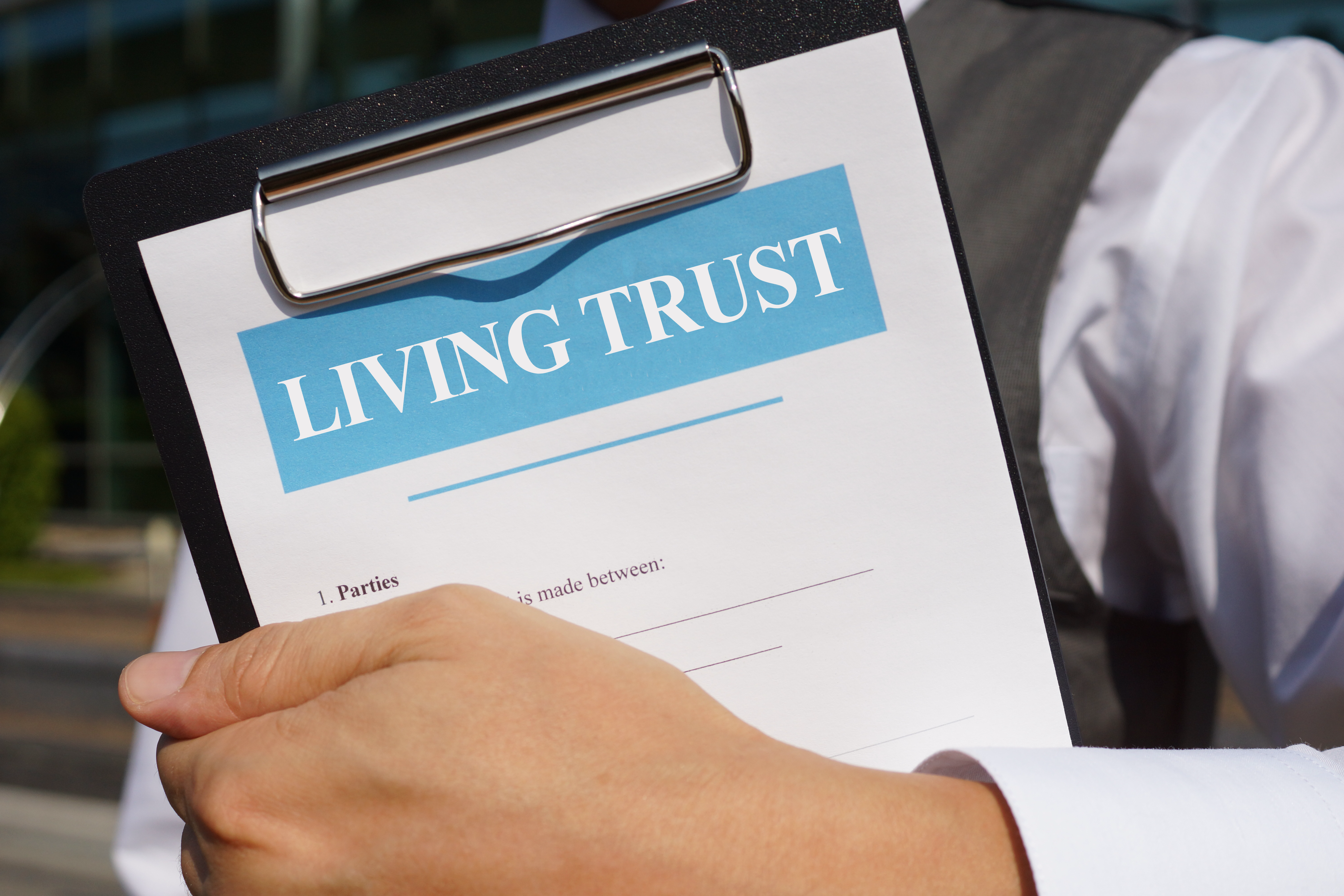
A Practical Step Toward Peace of Mind
Setting up a trust is not just about wealth it is about control, protection, and clarity. Including your home in a trust, and ensuring your homeowners insurance reflects that ownership, can prevent unnecessary complications during an already difficult time for your family.
While a trust is not right for everyone, it is a powerful planning tool worth discussing with qualified legal, tax, and insurance professionals. Thoughtful preparation today can make a meaningful difference tomorrow for you and for those you care about most.
About the Author:
David Dandaneau is a client relations analyst that covers the insurance and financial services industry. He is known for his insightful analysis and comprehensive coverage of market trends and regulatory developments.




 Health to Wealth Ventures