The Power of Inspirational Morning and Evening Routines

Finding time for self-care and personal growth can seem daunting; yet, those who achieve success often attribute much of their productivity and happiness to consistent morning and evening routines. These rituals help set the tone for a focused, fulfilling day and offer a peaceful wind-down at night. The key? Intentionality and inspiration.

Morning Routines: Setting the Tone for Success
Mornings present an opportunity to start fresh, to approach the day with a clear mind and energy. Successful individuals often share similar habits that center around mindfulness, physical activity, and mental stimulation.

  1. Mindfulness and Meditation
    Many successful people, from Oprah Winfrey to Bill Gates, emphasize the importance of starting the day with mindfulness. A few minutes of meditation, deep breathing, or simply sitting in silence can help center thoughts and reduce stress. For instance, dedicating even five minutes to focus on your breath can significantly lower cortisol levels, helping you to approach the day calmly and confidently.
  2. Exercise to Jumpstart Energy
    Whether it’s a brisk walk, yoga, or a full workout session, incorporating physical activity in the morning has numerous benefits. It boosts endorphins, enhances mental clarity, and improves overall health. Studies show that people who exercise in the morning are more likely to stick with their fitness routines, setting them up for long-term success.
  3. Positive Affirmations and Visualization
    Repeating positive affirmations or visualizing your goals are powerful tools for building confidence and focus. Many people like to journal or create vision boards, articulating their goals and dreams. By mentally rehearsing success, they create a roadmap for achieving it. “I am capable, and today I will achieve my goals” can transform your mindset from doubt to empowerment.
  4. Nourishing Breakfast
    While often overlooked, a balanced breakfast is crucial to fueling the body and brain for a productive day. Healthy options like oats, fruits, and proteins help maintain energy levels and focus throughout the day, rather than the crash that comes with sugary, processed alternatives.
  5. Planning and Prioritizing
    Before diving into work, taking a few minutes to outline the day’s priorities can prevent overwhelm and improve time management. Writing a to-do list or using a planner helps to establish a clear direction and keeps you on track for achieving daily goals.

Evening Routines: Reflecting and Recharging
As the day comes to a close, evening routines are essential for decompressing, reflecting, and preparing for restful sleep. Just as mornings set the tone for the day, evenings set the tone for tomorrow.

  1. Unplug and Wind Down
    Many people have adopted the habit of unplugging from technology at least an hour before bed. Reducing screen time and creating a peaceful environment helps signal to the brain that it’s time to rest. Light stretching, a warm bath, or reading a book can all help in shifting gears from productivity to relaxation.
  2. Reflection and Gratitude
    Taking a few moments to reflect on the day can foster growth and positivity. Journaling about achievements or challenges, or simply listing things to be grateful for, can promote a more optimistic outlook. Studies suggest that practicing gratitude regularly can improve sleep quality and overall well-being.
  3. Light Planning for Tomorrow
    Just as mornings benefit from planning, so do evenings. A quick review of the next day’s schedule can reduce stress and create a sense of preparedness. Preparing clothes, packing a lunch, or writing down key tasks ensures that tomorrow begins smoothly.
  4. Sleep Rituals
    Creating an optimal sleep environment is often part of a successful evening routine. This could include lowering room temperatures, using calming scents like lavender, or listening to soothing sounds. A consistent sleep schedule and a clear routine leading to bedtime signal to the body that it’s time to rest, promoting better and deeper sleep.
  5. Positive Affirmations Before Bed
    Ending the day with positive affirmations or a brief meditation helps cultivate peace of mind and relieves any lingering worries. Many successful individuals use this time to visualize their goals and set intentions for the next day, reinforcing a forward-looking, growth-oriented mindset.

The Science Behind Routine
Routine is more than a series of actions—it’s about building habits that shape mental, emotional, and physical well-being. According to psychologists, routines help reduce decision fatigue, increase self-discipline, and create a sense of control. When you know what your day or evening will look like, you conserve mental energy, reduce anxiety, and allow creativity to flourish.

Building Your Own Inspirational Routine
Whether you’re looking to boost productivity, find peace in a chaotic world, or achieve personal goals, inspirational routines can be a game changer. It’s important to find what resonates with you—start small, experiment, and gradually build a routine that enhances your life. Remember, the goal is not perfection but progress.

Morning and evening routines are an investment in your future. They offer the chance to align your actions with your aspirations, ensuring that each day begins and ends with purpose. So why not start today? Whether it’s a morning run or a nightly gratitude practice, your future self will thank you.

How Small Adventures Enrich Daily Life

In a time where epic journeys and extraordinary feats dominate social media feeds, it’s easy to overlook the small adventures that enrich our daily lives. These “everyday adventures” often go unnoticed, but they hold the power to bring just as much excitement, joy, and fulfillment as any grand escapade.

The Power of the Mundane
For many, adventure conjures up images of faraway destinations or adrenaline-fueled activities. However, everyday adventures remind us that life’s true richness lies in the mundane moments. A spontaneous hike in a nearby park, a stroll through a neighborhood you’ve never explored, or even the thrill of trying a new recipe—these are the types of experiences that can turn an ordinary day into something special.

“Adventure doesn’t always mean bungee jumping or traveling to a foreign country,” says Sarah Kim, a wellness coach based in Denver. “It’s a mindset. When we approach the everyday with curiosity and openness, everything becomes an adventure.”

Discovering New Places in Familiar Spaces
One of the most accessible ways to add a dash of adventure to daily life is by viewing familiar places through fresh eyes. Whether it’s taking a new route on your daily commute or visiting a local café you’ve never tried, these small changes help break the monotony and ignite a sense of wonder.

Tom Garcia, a teacher from Portland, has made it his mission to find a new corner of his city every week. “It’s amazing how much we take for granted,” he says. “Even places you pass by every day can reveal something new if you take the time to look.”

Connection Through the Unexpected
Often, the magic of everyday adventures lies in the unexpected connections we make. A chance encounter with a neighbor during an evening walk, a deep conversation sparked by a random topic, or even getting lost in a new part of town can lead to memorable experiences.

For Amanda Spencer, a working mother of two, these small moments of connection are priceless. “I don’t have time for big vacations, but taking my kids on little adventures around our town has created some of our best memories. It’s those impromptu picnics at the park or random ice cream stops that we talk about for years.”

The Joy of Learning Something New
Everyday adventures also offer endless opportunities for learning. From picking up a hobby like painting or birdwatching to challenging yourself with new skills, such as gardening or photography, these experiences can enhance your day-to-day routine. By stepping out of your comfort zone, you open yourself up to new perspectives and personal growth.

Psychologist Dr. Naomi Mitchell emphasizes the importance of continual discovery. “When people engage in small-scale adventures, they’re rewiring their brains to experience joy in novelty and change. Even learning something as simple as a new fact or technique provides the brain with a hit of dopamine, which boosts mood and motivation.”

Creating a Habit of Adventure
To cultivate a life filled with everyday adventures, it helps to develop a sense of intentionality. Small changes in your routine can lead to new, exciting experiences. Start by planning mini-adventures once a week. These could be anything from visiting a nearby town, attending a local event, or even spending time outdoors without a fixed agenda.

“It’s about making space for the unknown,” says Kate Peters, an adventure travel writer who is a big advocate for micro-adventures. “You don’t have to climb mountains every day to live adventurously. You just need to give yourself permission to be curious and try something new, even if it’s in your own backyard.”

In a time that often glorifies big adventures and major life events, it’s refreshing to realize that excitement and joy can be found in the simple, everyday moments. Whether it’s discovering a hidden gem in your hometown, forming an unexpected friendship, or learning a new skill, everyday adventures remind us that life is full of opportunities for wonder, no matter where we are.

So, the next time you feel stuck in routine, take a moment to look around—there may be an adventure waiting just outside your door.

The Surging Popularity of Meditation and Mindfulness

In a society characterized by constant connectivity, rapid technological advancements, and an ever-increasing pace of life, more individuals are turning to ancient practices like meditation and mindfulness to find peace, focus, and balance. Once considered niche or even esoteric, these practices have moved into the mainstream, with scientific studies and wellness experts alike touting their benefits.

The Rise of Meditation and Mindfulness

Over the past decade, meditation and mindfulness have experienced a surge in popularity. From Silicon Valley tech giants to classrooms and corporate boardrooms, the practices are being embraced as essential tools for managing stress and enhancing mental well-being.

The proliferation of smartphone apps like Headspace and Calm has played a significant role in bringing these practices to the masses. These platforms offer guided sessions that are accessible to beginners and seasoned practitioners alike, making it easier than ever for people to integrate mindfulness into their daily lives.

The Science Behind the Practice

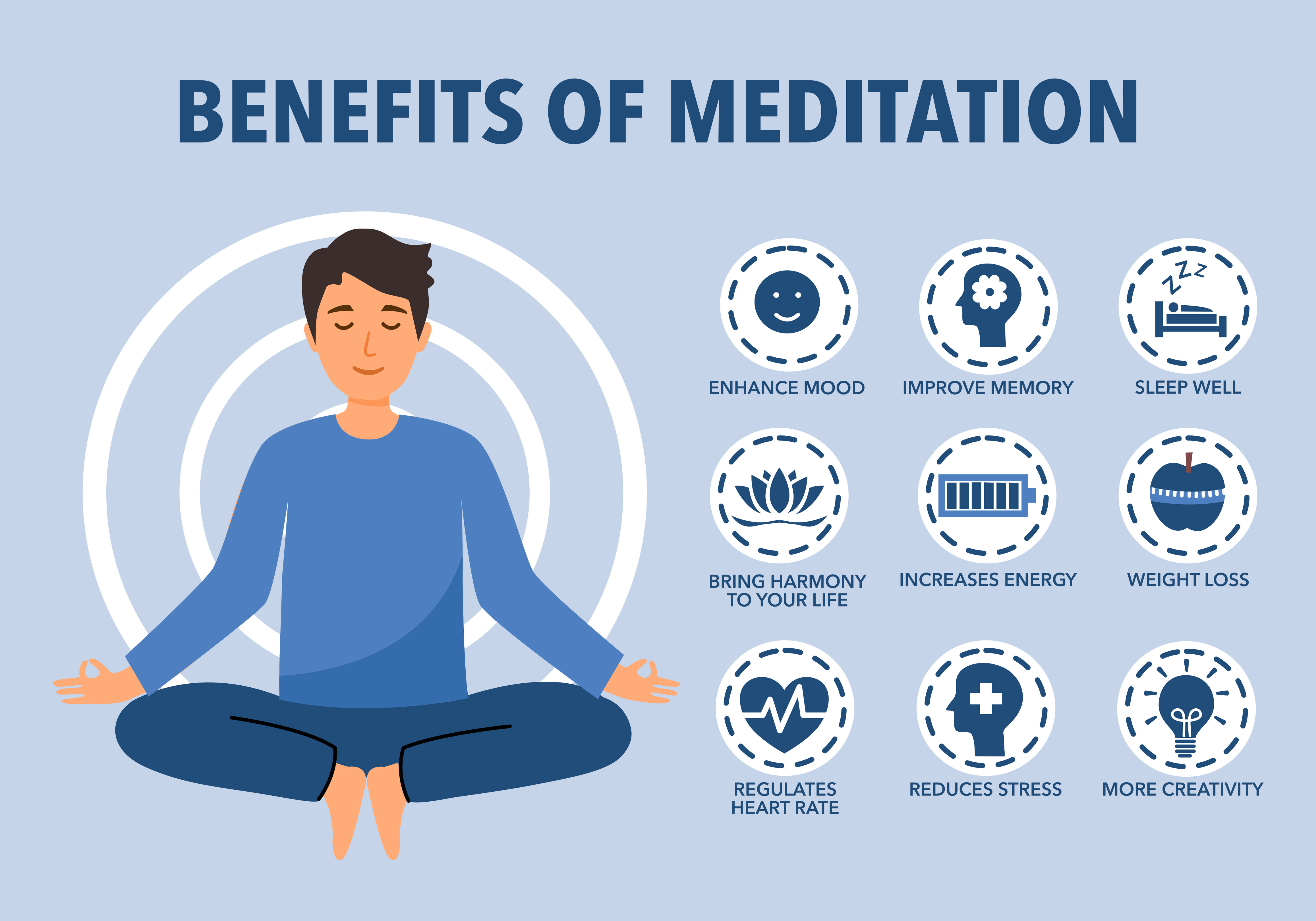
Meditation and mindfulness are not just trendy buzzwords; they are practices backed by a growing body of scientific research. Studies have shown that regular meditation can reduce stress, lower blood pressure, and improve overall mental health. Mindfulness, which involves paying attention to the present moment without judgment, has been linked to enhanced focus, emotional regulation, and even better relationships.

A study published in the journal JAMA Internal Medicine found that mindfulness meditation programs can help reduce anxiety, depression, and pain. Similarly, research from Harvard Medical School has shown that mindfulness can lead to structural changes in the brain, including an increase in gray matter in areas associated with learning and memory.

Applications Across Sectors

The benefits of meditation and mindfulness are being recognized across various sectors. In education, schools are incorporating mindfulness programs to help students manage stress and improve concentration. Corporate wellness programs are also embracing mindfulness as a way to boost employee productivity and reduce burnout. Even the healthcare industry is exploring the integration of mindfulness into treatment plans for chronic pain, addiction, and mental health disorders.

Challenges and Misconceptions

Despite the growing popularity, there are still challenges and misconceptions surrounding meditation and mindfulness. Some individuals believe that these practices require significant time commitments or that they are religious in nature. However, experts emphasize that even a few minutes of daily practice can yield positive results and that meditation and mindfulness are secular practices accessible to anyone.

Another challenge is the commodification of mindfulness, with critics arguing that the practice is being co-opted by consumer culture. The abundance of mindfulness-related products and services has led some to question whether the true essence of the practice is being diluted.

The Future of Mindfulness

As the demand for mental health and wellness solutions continues to rise, meditation and mindfulness are likely to become even more entrenched in everyday life. Future trends may include the development of more personalized mindfulness programs, advances in technology that enhance the practice, and further integration into various aspects of society, from healthcare to education.

In a world that often feels overwhelming, meditation and mindfulness offer a timeless antidote—a way to reconnect with the present moment, cultivate inner peace, and navigate life’s challenges with greater resilience. As more people discover the profound benefits of these practices, they are not just embracing a trend but a path to long-lasting well-being.

Tips to Relieve Everyday Stress: Simple Strategies for a Balanced Life

In an era marked by relentless deadlines, endless notifications, and constant connectivity, stress has become an unavoidable aspect of daily life for many. However, experts emphasize the importance of managing stress to maintain overall well-being. Fortunately, there are numerous simple yet effective strategies that individuals can incorporate into their everyday routines to alleviate stress and foster a sense of balance.

1. Practice Mindfulness: Taking time to focus on the present moment can significantly reduce stress levels. Mindfulness techniques, such as deep breathing exercises, meditation, or simply paying attention to sensations and thoughts without judgment, can help individuals cultivate a sense of calmness amidst the chaos of daily life.

2. Engage in Physical Activity: Regular exercise is not only beneficial for physical health but also plays a crucial role in managing stress. Activities like walking, jogging, yoga, or dancing release endorphins, which are natural mood lifters, and promote relaxation. Even a short walk during lunch break can make a notable difference in stress levels.

3. Prioritize Self-Care: Taking care of oneself is essential for combating stress. This includes getting an adequate amount of sleep, maintaining a healthy diet, and staying hydrated. Additionally, engaging in activities that bring joy and relaxation, such as reading, gardening, or spending time with loved ones, can rejuvenate the mind and body.

4. Set Boundaries: In today’s hyper-connected world, it’s crucial to establish boundaries to prevent burnout. This may involve setting limits on screen time, learning to say no to excessive commitments, and carving out designated periods for relaxation and leisure activities.

5. Practice Time Management: Feeling overwhelmed by a never-ending to-do list is a common source of stress. Utilizing time management techniques, such as prioritizing tasks, breaking them down into smaller, manageable steps, and delegating when possible, can help individuals regain a sense of control and reduce stress levels.

6. Seek Support: It’s important to remember that seeking support is not a sign of weakness but rather a proactive step towards managing stress. Whether through talking to a trusted friend, family member, or seeking professional help from a therapist or counselor, sharing concerns and receiving guidance can provide valuable perspective and coping strategies.

Incorporating these strategies into everyday life can help individuals navigate the inevitable challenges and pressures with greater resilience and ease. By prioritizing self-care, setting boundaries, and seeking support when needed, individuals can cultivate a balanced and fulfilling lifestyle, where stress becomes more manageable and moments of peace and joy are cherished.