
Overcome Distractions: 10 Ways to Improve Focus and Efficiency

From constant notifications to the pressures of multitasking, distractions are everywhere these days. Yet, for those who master the art of focus, the rewards are immense—better efficiency, reduced stress, and greater satisfaction in achieving their goals. Here are some strategies that have been proven to help boost productivity and maintain focus in an increasingly distracted environment.

  1. Start with Clear Goals
    Productivity begins with clarity. Setting specific, measurable goals helps you prioritize tasks and avoid the overwhelm of trying to do too much. Whether it’s a daily to-do list or long-term milestones, knowing what you’re working towards is essential.
  2. Practice Time Blocking
    One of the most effective ways to structure your day is time blocking—a method where you schedule specific periods for focused work on tasks. This approach eliminates decision fatigue and creates a sense of accountability to stick to your planned tasks.
  3. Minimize Distractions
    In a world filled with buzzing phones and endless social media updates, creating a distraction-free workspace is crucial. Consider putting your phone on “Do Not Disturb,” using website blockers for distracting sites, or simply finding a quiet environment to work.
  4. Leverage Technology Wisely
    While technology can be a source of distraction, it can also be a powerful tool for productivity. Apps like Trello, Notion, or Focus@Will offer organization, task tracking, and focus-enhancing tools to keep you on track.
  5. Take Regular Breaks
    Counterintuitive as it may seem, taking breaks improves productivity. Techniques like the Pomodoro Technique—working for 25 minutes and then taking a 5-minute break—help sustain focus by preventing burnout.
  6. Practice Mindfulness and Meditation
    Mindfulness techniques, including meditation, can train your brain to stay present and avoid being pulled in multiple directions. Even a five-minute breathing exercise can sharpen focus and reduce stress.
  7. Get Moving
    Physical activity is not just for your body—it’s for your brain too. A quick walk, stretching, or even a full workout can boost mental clarity and energy levels, ensuring you stay productive throughout the day.
  8. Nourish Your Body and Mind
    What you consume plays a huge role in your productivity. Eating balanced meals, staying hydrated, and avoiding excess caffeine can keep energy levels stable and your brain sharp.
  9. Reflect and Adjust
    At the end of each day or week, take time to evaluate your productivity. Ask yourself what worked, what didn’t, and how you can improve. Productivity is a skill that evolves with practice and self-awareness.
  10. Find Your Motivation
    Finally, staying productive is easier when you’re inspired. Connecting your tasks to a bigger purpose—whether it’s professional growth, personal fulfillment, or helping others—can reignite your drive when motivation wanes.

Staying productive and focused is not about working harder—it’s about working smarter. By adopting these habits and finding what works best for you, you can navigate distractions and achieve your goals with greater ease. In a world where attention is the ultimate currency, mastering focus is a skill that truly pays off.
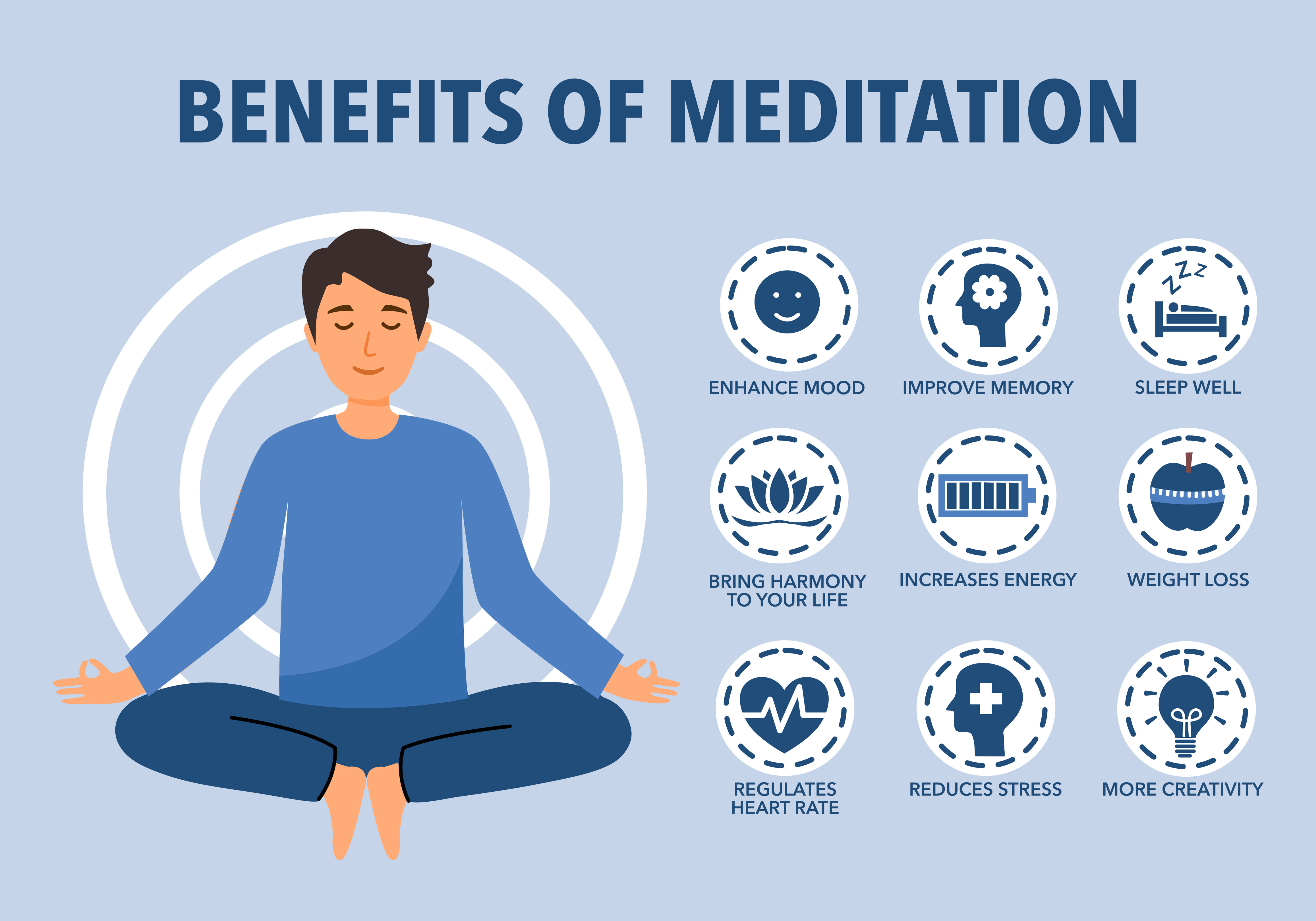
The Surging Popularity of Meditation and Mindfulness

In a society characterized by constant connectivity, rapid technological advancements, and an ever-increasing pace of life, more individuals are turning to ancient practices like meditation and mindfulness to find peace, focus, and balance. Once considered niche or even esoteric, these practices have moved into the mainstream, with scientific studies and wellness experts alike touting their benefits.

The Rise of Meditation and Mindfulness

Over the past decade, meditation and mindfulness have experienced a surge in popularity. From Silicon Valley tech giants to classrooms and corporate boardrooms, the practices are being embraced as essential tools for managing stress and enhancing mental well-being.

The proliferation of smartphone apps like Headspace and Calm has played a significant role in bringing these practices to the masses. These platforms offer guided sessions that are accessible to beginners and seasoned practitioners alike, making it easier than ever for people to integrate mindfulness into their daily lives.

The Science Behind the Practice

Meditation and mindfulness are not just trendy buzzwords; they are practices backed by a growing body of scientific research. Studies have shown that regular meditation can reduce stress, lower blood pressure, and improve overall mental health. Mindfulness, which involves paying attention to the present moment without judgment, has been linked to enhanced focus, emotional regulation, and even better relationships.

A study published in the journal JAMA Internal Medicine found that mindfulness meditation programs can help reduce anxiety, depression, and pain. Similarly, research from Harvard Medical School has shown that mindfulness can lead to structural changes in the brain, including an increase in gray matter in areas associated with learning and memory.

Applications Across Sectors

The benefits of meditation and mindfulness are being recognized across various sectors. In education, schools are incorporating mindfulness programs to help students manage stress and improve concentration. Corporate wellness programs are also embracing mindfulness as a way to boost employee productivity and reduce burnout. Even the healthcare industry is exploring the integration of mindfulness into treatment plans for chronic pain, addiction, and mental health disorders.

Challenges and Misconceptions

Despite the growing popularity, there are still challenges and misconceptions surrounding meditation and mindfulness. Some individuals believe that these practices require significant time commitments or that they are religious in nature. However, experts emphasize that even a few minutes of daily practice can yield positive results and that meditation and mindfulness are secular practices accessible to anyone.

Another challenge is the commodification of mindfulness, with critics arguing that the practice is being co-opted by consumer culture. The abundance of mindfulness-related products and services has led some to question whether the true essence of the practice is being diluted.

The Future of Mindfulness

As the demand for mental health and wellness solutions continues to rise, meditation and mindfulness are likely to become even more entrenched in everyday life. Future trends may include the development of more personalized mindfulness programs, advances in technology that enhance the practice, and further integration into various aspects of society, from healthcare to education.

In a world that often feels overwhelming, meditation and mindfulness offer a timeless antidote—a way to reconnect with the present moment, cultivate inner peace, and navigate life’s challenges with greater resilience. As more people discover the profound benefits of these practices, they are not just embracing a trend but a path to long-lasting well-being.