Trends to Watch as We Close Out 2025: The Property Insurance Market

As we approach the end of 2025, the property insurance marketplace is navigating a mix of change, challenge and opportunity. Here’s a look at the key trends shaping the sector — and what they might mean for insurers, brokers and property owners alike.


1. Climate-Driven Losses Are Now the New Normal

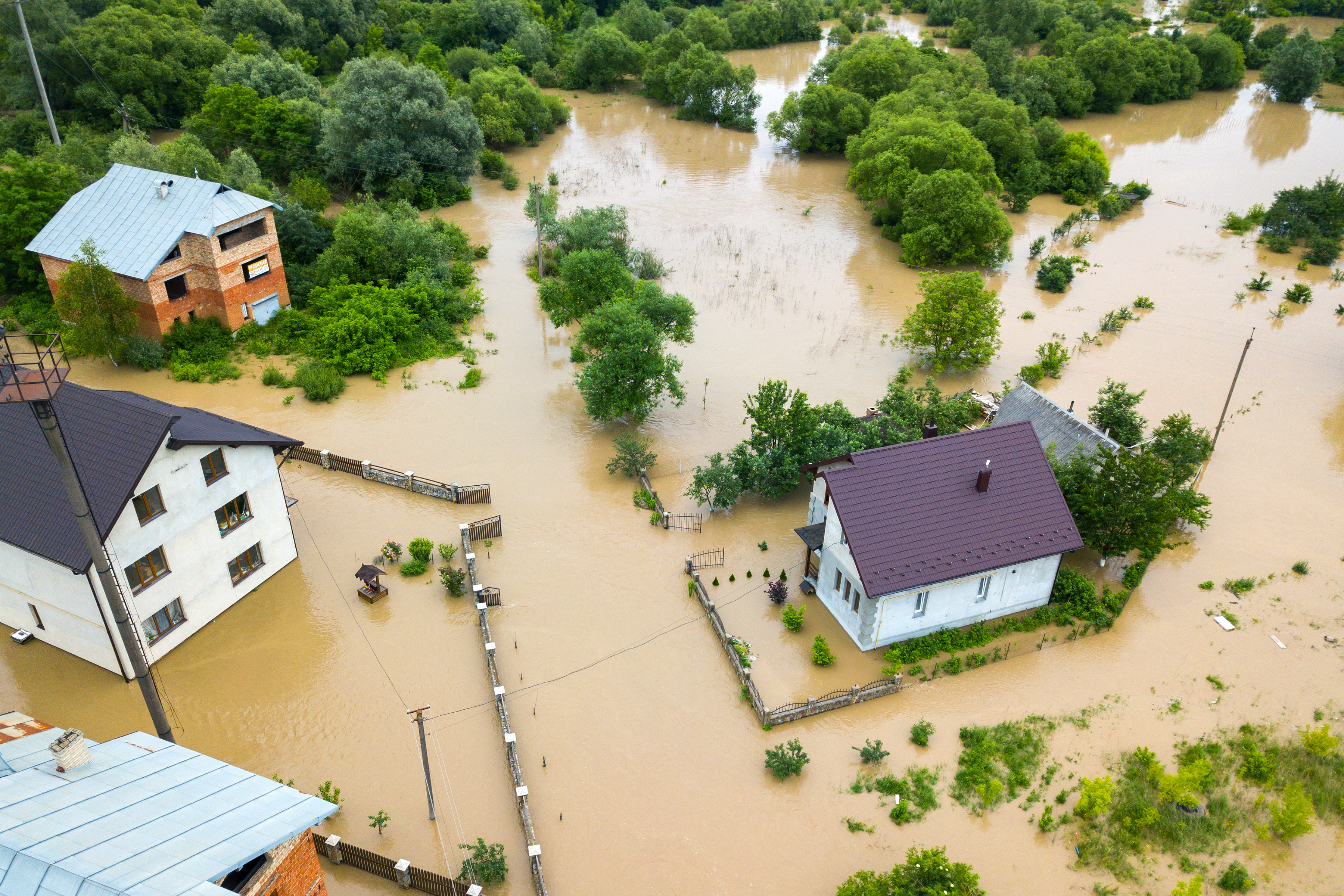
The pace and severity of natural catastrophes continue to place major pressure on the property insurance market. The Swiss Re Institute estimates that global insured losses from natural catastrophes hit roughly US $80 billion in the first half of 2025, nearly double the 10-year average. (Reuters+2Insurance Journal+2)
For insurers, that means heavier claims, tougher underwriting decisions and heightened scrutiny of exposures in high-risk zones.

What to watch:

  • Insurers will increasingly pull back or raise rates in high-catastrophe zones — e.g., coastal and wildfire-prone areas.
  • Property owners in those zones will receive stronger signals to invest in resilience (storm hardening, wildfire mitigation, flood defence).
  • Coverage gaps may grow where private insurers no longer provide adequate support, leading to more reliance on state/last-resort markets.

2. Pricing and Coverage Conditions Are Mixed — Softening in Some Segments, Hardening in Others

While recent years were characterised by sharp rate increases and tightening terms, there are signs that some parts of the market are stabilising or even softening. For example:

  • The Alera Group in its 2025 P&C update notes greater market stability, with disciplined underwriting, improving investment yields, and signs that premium growth may moderate. (Alera Group)
  • In commercial property, accounts with favourable loss history and limited catastrophe exposure may now see flat to single-digit rate increases, rather than the double-digit hikes of earlier years. (Dominion Risk+1)
  • On the flip side, in the homeowners/home-insurance space, average premiums remain elevated, and the insurers’ “combined ratio” suggests limited profitability in some segments. (Rate)

Key take-aways:

  • For well-performing risks, carriers are competing — more capacity, more flexible terms.
  • For high-risk exposures (wildfire zones, flood zones, older properties in hazard-prone states) terms remain challenging: higher deductibles, non-standard exclusions, pressured availability.
  • Brokers and agents who can help clients demonstrate strong mitigation/maintenance will be in demand.

3. Technology & Risk-Modelling Innovations Are Moving From “Nice to Have” to “Must-Have”

Insurers are rapidly expanding their use of technology — sensors, drones, satellite imagery, IoT monitoring, artificial intelligence — to refine risk assessments, improve underwriting and streamline claims. According to a recent legal-firm insight, insurers are deploying drones, satellite-imagery and IoT to track damage and property condition in real time. (Greenberg Traurig)
Meanwhile, homeowners are seeing insurers push risk-mitigation incentives (smart-home sensors, leak detectors, fire-resistant construction) as a way to differentiate risk. (Rate)

What this means:

  • Risk-differentiation will widen: properties with upgraded resilience features may enjoy better terms/discounts.
  • Older or non-mitigated properties may face fewer options or harsher terms.
  • Agents and insurers who embrace these tools will have a competitive edge, especially in emerging hazard-zones.

4. Reinsurance and Capacity Pressures Remain Real

While direct insurance pricing may be moderating for some risks, the broader ecosystem — especially reinsurance — remains under strain. The costs of reinsurance for catastrophe risk continue to climb as global natural hazard exposures grow. (Greenberg Traurig)
Also, some last-resort markets (state-backed, residual lines) are under pressure to raise rates or adjust eligibility, particularly in states with chronic exposure. (San Francisco Chronicle)

Implication:
Insurers must manage their reinsurance treaties carefully, be selective about exposures they carry, and pass through appropriate pricing and terms to stay sustainable.


5. Market Size is Growing — With Geographic and Product Gaps Emerging

From a volume perspective, the property-insurance market remains on a growth path. For example, in North America the market for property insurance was projected to reach about US $365 billion in 2025, with a five-to-seven-year compound annual growth rate (CAGR) of nearly 7%. (Statista) Globally, a report projects the property-insurance market to be around US $364.75 billion in 2025, growing toward ~US$591 billion by 2034. (Business Research Insights)

Yet, growth is uneven:

  • Regions with escalating risk (wildfire, flood, storm) may struggle with supply and affordability.
  • Specialized products (wildfire-only, flood-only, resiliency add-ons) are gaining traction.
  • Bundled products (home + auto) and value-added services (risk-engineering, smart-home upgrades) are becoming differentiators.

6. Homeowners Face Increasing Burden — Affordability, Availability and Risk

For homeowners, especially in climate-exposed states (e.g., coastal Florida, wildfire-prone California), the challenges are mounting:

  • Rising premiums and deductibles: some reports show average home-insurance premiums nationally up ~20 % year-over-year in certain markets. (Rate+1)
  • Higher deductibles and more peril-specific deductibles (wind/hail, wildfire, flood) are becoming more common. (Matic Insurance)
  • Coverage availability is still strained in many high-risk ZIP codes; the E&S (Excess & Surplus) market is filling gaps. (Matic Insurance)

For agents and homeowners:

  • Risk mitigation (roof upgrades, fire-resistant landscaping, flood mitigation) is no longer optional—it can materially affect access and cost of coverage.
  • The choice of market (traditional carrier vs. surplus market) matters more than ever; early renewal/placement is advised.
  • For homeowners in highly exposed zones, budgeting for rising insurance costs (and potential policy non-renewals) is prudent.

7. Regulatory & Geographic Regulation Shifts

Regulators in states like Hawaii, Florida and California are responding to the stability challenges in property-insurance markets. For example, in Hawaii legislators pledged efforts to stabilise the market in the face of rising rates and insurers pulling out. (AP News)
Rate filings and underwriting criteria adjustments are happening in several jurisdictions — meaning agents must stay abreast of local regulatory changes that could affect availability, coverage form, or premium.


Looking Ahead to Late 2025 and Early 2026

As we close out 2025, a few strategic themes for stakeholders:

  • For insurers and brokers: Market segmentation will deepen. Strong, well-mitigated risks will benefit from capacity and competition. Weakly mitigated risks will face greater terms and possibly coverage erosion.
  • For homeowners/property owners: Now is a contact point: review your property’s risk profile, invest in mitigation where possible, explore multiple carriers, and monitor renewal dates early.
  • For agents in your position (auto/property insurance): There’s an opportunity to advise clients on the “property side” in addition to auto — helping them understand risk exposures, mitigation, bundling opportunities, and market shifts. For example, bundling home + auto may give you more leverage.
  • For regulatory watchers: The interplay of climate risk, insurance affordability, and public policy will remain front-and-centre. Watch for state-level reforms, changes in last-resort insurers, and potential new coverage mandates or premium subsidies.

What Lies Ahead

The property-insurance market at the end of 2025 is in a state of transition. Big picture: demand is growing, but risk is mounting and not evenly distributed. Pricing and terms are moderating in some segments — yet for high-exposure zones the pressure remains acute. Technology, mitigation and geographic nuance will distinguish winners from laggards.

For you (and your clients) this means: be proactive. Know the risks. Position properties (or clients’ homes) for reward (through mitigation) rather than punishment. And stay flexible — the “next renewal” is likely to look quite different from the last.

About the Author:

David Dandaneau is a client relations analyst that covers the insurance and financial services industry. He is known for his insightful analysis and comprehensive coverage of market trends and regulatory developments.


References

Alera Group. (2025, January 15). 2025 property and casualty market update. Alera Group. https://aleragroup.com/insights/alera-groups-2025-property-and-casualty-market-update

Associated Press. (2025, March 10). Hawaii lawmakers pledge to stabilize property insurance market amid rate increases. AP News. https://apnews.com/article/9119f220251bb44eced5ffb4ddd80b15

Business Research Insights. (2025). Property insurance market size, share, growth, and forecast 2025–2034. https://www.businessresearchinsights.com/market-reports/property-insurance-market-125238

Domrisk. (2025, March 5). 2025 market outlook: Commercial property insurance. https://domrisk.com/2025/03/2025-market-outlook-commercial-property-insurance

Greenberg Traurig, LLP. (2025, March 1). Five trends to watch in the 2025 property insurance market. https://www.gtlaw.com/en/insights/2025/3/5-trends-to-watch-in-2025-property-insurance-market

Matic Insurance. (2025, April). 2025 home insurance report. https://matic.com/blog/2025-home-insurance-report

Rate.com. (2025, May 20). Consumer insights: Home insurance trends for 2025. Guaranteed Rate Insurance. https://www.rate.com/insurance/resources/consumer-insights-home-insurance-trends-for-2025

Reuters. (2025, August 6). Global insured catastrophe losses hit $80 billion in first half of 2025, report shows. Reuters. https://www.reuters.com/business/environment/global-insured-catastrophe-losses-hit-80-billion-first-half-2025-report-shows-2025-08-06

San Francisco Chronicle. (2025, August 21). California FAIR Plan seeks huge rate hike: Map shows which ZIPs hit hardest. https://www.sfchronicle.com/california-wildfires/article/fair-plan-insurance-rate-21081370.php

Statista. (2025). Property insurance market in North America — Revenue forecast 2025. https://www.statista.com/outlook/fmo/insurances/non-life-insurances/property-insurance/north-america

Florida Homeowners Face Challenge After Being Dropped from State-Run Insurance Program

Florida homeowners are once again feeling the squeeze as thousands are being removed from the state-run insurer of last resort, Citizens Property Insurance Corporation, and redirected to private carriers. The move is part of an ongoing effort to reduce the size of Citizens’ policy portfolio and shift risk back into the private market.

When homeowners are “depopulated” from Citizens, they are required to accept coverage from an alternative private insurance company if the offered premium is within 20% of their Citizens rate. For many, this creates both relief and frustration: while it means they may avoid losing coverage altogether, it also leaves them with limited options and rising costs.

“I was paying $2,800 a year with Citizens, and the new carrier came in at $3,200. It’s technically within the 20% rule, so I had no choice but to move,” said one Tampa homeowner. “It feels like a forced decision at a time when the market is already tough.”

Insurance analysts note that while the depopulation program helps reduce taxpayer exposure to catastrophic hurricane losses, it places additional pressure on families already navigating skyrocketing premiums, stricter underwriting, and fewer choices. Private carriers, however, argue that they offer more sustainable long-term solutions than Citizens, which was never intended to be a permanent insurer for a large share of the market.

State regulators defend the process, emphasizing that the 20% price window is meant to strike a balance between protecting consumers from steep cost increases while encouraging participation in the private market. Without this system, they warn, Citizens could swell beyond capacity, putting all Floridians at risk of paying hefty assessments after a major storm.

Still, homeowners are left in a difficult position. With hurricane season stretching until November and reinsurance costs continuing to climb, experts say Florida’s property insurance crisis is far from over. For many, the decision isn’t whether they want to leave Citizens—it’s how they can afford to stay insured at all.

About the Author:

David Dandaneau is a client relations analyst that covers the insurance and financial services industry. He is known for his insightful analysis and comprehensive coverage of market trends and regulatory developments.