
Amid the stress and chaos that often infiltrate our daily lives, more people are turning to ancient wisdom for peace and balance—starting at home. One such practice gaining renewed popularity is Feng Shui, the ancient Chinese art of arranging living spaces to promote harmony, well-being, and positive energy, or “chi.”
What Is Feng Shui?
Feng Shui, which translates to “wind and water,” is rooted in Taoist philosophy and dates back over 3,000 years. The practice is based on the idea that our surroundings deeply influence our health, success, and relationships. By arranging furniture and décor according to specific principles, individuals can improve the flow of energy through their homes and, in turn, their lives.
Key Principles of Feng Shui
At its core, Feng Shui focuses on five elements—wood, fire, earth, metal, and water—each representing different aspects of life. Achieving balance among these elements is crucial. Color, shape, and material choices all play a role. For example, incorporating plants (wood) can encourage growth, while a small fountain (water) symbolizes wealth and fluidity.
Another foundational concept is the Bagua Map, an energy map that divides a space into nine areas, each linked to a life domain, such as career, love, health, or prosperity. By enhancing specific zones, individuals can invite more of what they desire into their lives.
Simple Steps to Get Started
While Feng Shui can be complex, even beginners can make impactful changes:
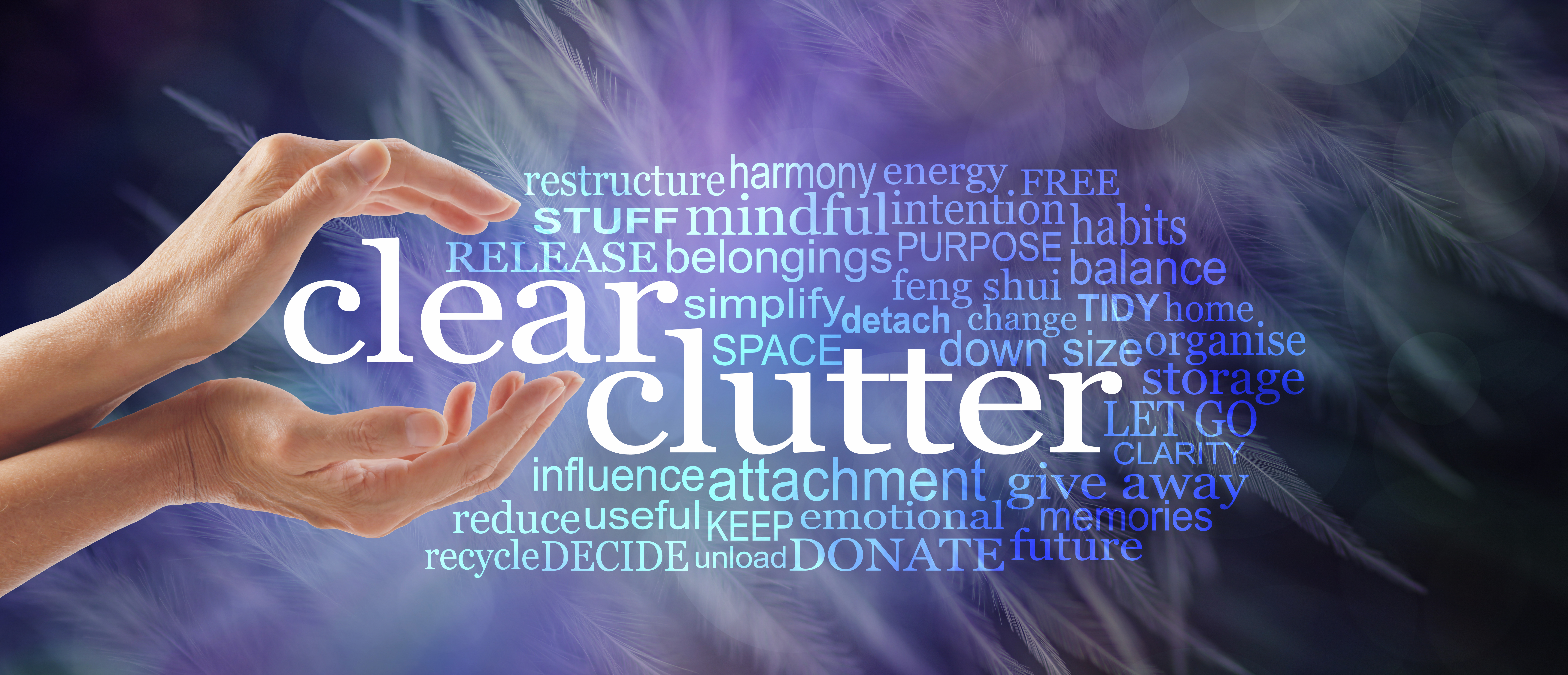
- Declutter: Clear out items that no longer serve a purpose. Clutter blocks energy flow.
- Command Position: Arrange beds, desks, and sofas so that you can see the door without being directly in line with it—this offers a sense of control and security.
- Natural Light and Air: Open windows, use mirrors to reflect light, and bring in fresh air to uplift the energy.
- Use of Color: Choose colors based on the energy you want to attract—green for growth, red for passion, blue for calm.
Why Feng Shui Matters Today
As remote work and digital overload increasingly define modern life, our homes have become more than just places of rest. They are now our offices, sanctuaries, and social hubs. Applying Feng Shui offers a mindful way to create environments that support mental clarity, emotional balance, and overall vitality.
Interior designers, real estate professionals, and wellness experts alike are acknowledging Feng Shui’s impact. Some even report that Feng Shui staging has helped sell homes faster or improved workplace productivity.

Feng Shui is not just about rearranging furniture—it’s about intention. By aligning your space with your goals and values, you create an environment that nurtures your best self.
As more people seek calm amidst life’s turbulence, the art of Feng Shui offers a timeless tool for creating not just beautiful homes, but balanced lives.


 Health to Wealth Ventures