Safeguarding Your Golden Years: The Crucial Role of Insurance in Aging Gracefully

As the years gracefully unfold and we find ourselves navigating the beautiful tapestry of life, one essential aspect often overlooked is the significance of insurance in our golden years. Aging is a natural part of life, and with it come various challenges and uncertainties. However, a well-structured insurance plan can serve as a sturdy pillar of support, providing financial security and peace of mind as we traverse the journey of aging.

  1. Health Insurance: A Cornerstone of Self-Care Health is indeed wealth, especially in the later chapters of life. As we age, the likelihood of facing health issues increases. A comprehensive health insurance plan ensures that medical expenses are not a burden but a manageable aspect of life. Regular check-ups, preventive care, and coverage for unexpected health events become invaluable assets in maintaining a good quality of life.
  2. Long-Term Care Insurance: Planning for the Future With age, the need for assistance with daily living activities may arise. Long-term care insurance plays a pivotal role in covering the costs associated with nursing homes, assisted living facilities, or home healthcare services. By planning ahead and investing in such insurance, individuals can preserve their assets and make informed choices about their care in the future.
  3. Life Insurance: A Legacy of Financial Security Life insurance isn’t just a safety net for the family; it’s a legacy of financial security. It provides a tax-free lump sum to beneficiaries, ensuring that loved ones are not burdened with financial uncertainties in the event of the policyholder’s passing. This financial cushion can be especially important for covering funeral expenses, outstanding debts, or leaving behind an inheritance for future generations.
  4. Income Protection: Safeguarding Retirement Years Retirement is a time to savor the fruits of one’s labor. However, unforeseen events such as disability can disrupt financial stability. Disability insurance provides a regular income if one is unable to work due to illness or injury. This safeguard ensures that the retirement years remain enjoyable and stress-free, even in the face of unexpected challenges.
  5. Property and Liability Insurance: Preserving Your Assets As homeowners or renters age, protecting property and assets becomes crucial. Property insurance safeguards against damages or loss of property due to natural disasters, accidents, or theft. Liability insurance protects against potential legal claims. These insurance types ensure that the years spent acquiring and building a home are not jeopardized by unexpected events.
Photo by Andrea Piacquadio on Pexels.com

In the grand symphony of life, aging is a harmonious movement that deserves to be celebrated. By recognizing the importance of insurance, individuals can orchestrate a future that is not only financially secure but also filled with the joys of a well-lived life. Whether it’s health, long-term care, life, or income protection insurance, each serves as a note in the melody of aging, contributing to a harmonious and worry-free journey into the golden years. So, let’s embrace the wisdom of preparedness and ensure that our later years are a composition of joy, security, and serenity. If you would like additional information on any of the aforementioned strategies, drop me a line or give me a shout, as I would love to help you navigate the maze of insurance products. Remember, until next time to keep smiling cause it really does look good on you.

Aging Gracefully: The Vital Role of Exercise in Seniors’ Lives

As the sands of time continue to fall, the importance of maintaining an active lifestyle becomes even more crucial, especially for our beloved seniors. Aging is a natural part of life, but it doesn’t mean surrendering to a sedentary existence. In fact, engaging in regular exercise is a powerful tool that can enhance the quality of life for everyone, especially seniors in numerous ways.

  1. Physical Well-being: A Fountain of Youth

Aging often brings with it a myriad of physical challenges, from diminishing bone density to muscle loss and joint stiffness. However, regular exercise is akin to a fountain of youth, counteracting these effects and promoting overall physical well-being. Weight-bearing exercises, such as walking or strength training, can help maintain bone density and muscle mass, preventing conditions like osteoporosis and sarcopenia.

  1. Mental Agility: Exercising the Mind

The benefits of exercise extend beyond the physical realm—they also have a profound impact on cognitive function. Studies have shown that regular physical activity can help prevent cognitive decline and reduce the risk of developing conditions like Alzheimer’s disease. Engaging in activities that challenge the mind, such as dancing or participating in group exercise classes, stimulates brain function and keeps those synapses firing.

  1. Emotional Health: A Natural Mood Booster

The golden years should be a time of joy and fulfillment, but they often come with their fair share of life changes and challenges. Exercise, however, acts as a natural mood booster, releasing endorphins that combat stress, anxiety, and depression. Seniors who incorporate regular physical activity into their routines often report improved mood, increased self-esteem, and a greater sense of well-being.

  1. Social Connections: Building Bonds Through Movement

Exercise provides a fantastic opportunity for seniors to connect with others and build meaningful relationships. Group classes, walking clubs, or even simple strolls with friends create a sense of community and combat feelings of isolation. Social interactions foster emotional support, encourage a sense of belonging, and contribute to an overall positive outlook on life.

  1. Chronic Disease Management: A Preventive Measure

Many chronic conditions become more prevalent with age, including heart disease, diabetes, and arthritis. Exercise serves as a preventive measure and can help manage these conditions. Cardiovascular exercises, for instance, promote heart health, while regular physical activity helps control blood sugar levels and alleviates symptoms of arthritis.

In the grand tapestry of life, aging is but one thread. With the right mindset and a commitment to staying active, seniors can ensure that this chapter is filled with vibrancy, good health, and a sense of fulfillment. Exercise is not just a physical activity; it’s a celebration of life, a testament to the resilience of the human spirit, and a pathway to aging gracefully. So, let’s embrace the power of movement and empower our seniors to live their best lives—healthy, happy, and full of vitality. Even though I’m not officially a senior, regular exercise is part of my daily regime. So, regardless of age, let’s make sure we stay healthy and wealthy together. Remember age is just a number it’s the smile that matters the most, so keep exercising and smiling cause it really does look good on you.
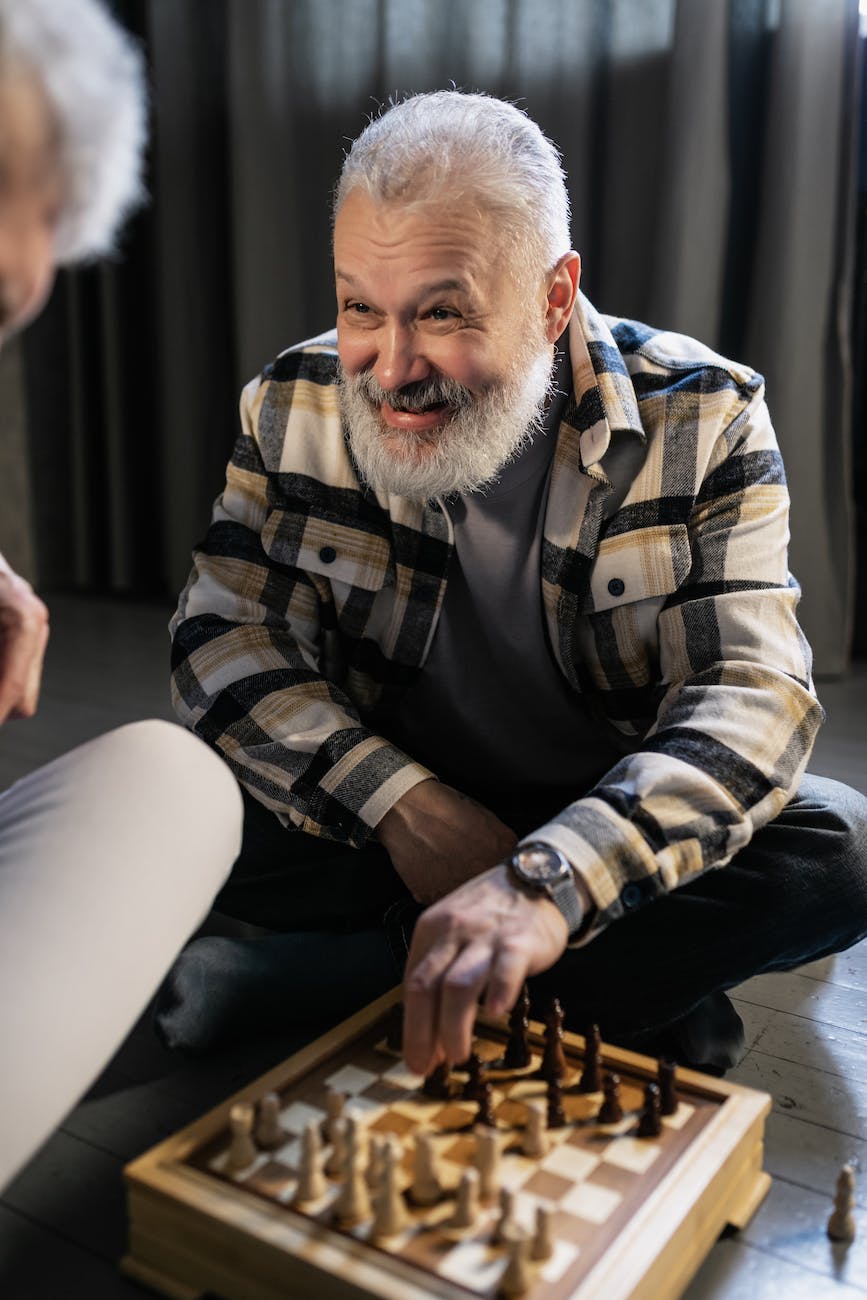
Why Seniors Need Social Activities

Social activities play a crucial role in the well-being of seniors, providing them with a myriad of physical, mental, and emotional benefits. As individuals age, social connections become increasingly vital in warding off feelings of loneliness and isolation, which are prevalent among the elderly. Engaging in group activities allows seniors to build and maintain relationships, fostering a sense of community and belonging. This social interaction not only enhances their overall mood but also acts as a protective factor against mental health issues such as depression and anxiety.

Photo by Alena Darmel on Pexels.com

Moreover, participating in social activities contributes to the cognitive health of seniors. Mental stimulation through social engagement has been linked to a lower risk of cognitive decline and dementia. Whether it’s playing board games, joining clubs, or attending social events, these activities challenge the brain, keeping it active and resilient. Additionally, the exchange of ideas and experiences in a social setting stimulates cognitive functions, contributing to improved memory, problem-solving skills, and overall mental sharpness.

On a physical level, social activities for seniors often involve movement and exercise, promoting better physical health. Regular physical activity is essential for maintaining mobility, preventing chronic conditions, and ensuring a higher quality of life. From dancing and yoga classes to walking groups, these activities not only provide health benefits but also create opportunities for seniors to connect with their peers, fostering a supportive environment that encourages an active lifestyle. In essence, social activities serve as a holistic approach to promoting the well-being of seniors, addressing their physical, mental, and emotional needs. I work with seniors of all ages and love to help put on events for them. If your young or old, near or far and in need of someone to talk with, please feel free to reach out or leave me a comment. Otherwise, and as I always say… keep smiling cause it really does look good on you.