I choose to maintain a positive outlook because I believe it directly impacts how long and how well I live. Positivity is not about denying challenges or pretending life is easy; it is about managing stress, protecting mental health, and giving my body and mind the best chance to function at their highest level over time.
Stress, negativity, and constant worry take a measurable toll on the body. I’ve learned that when I focus on optimism, perspective, and emotional balance, I recover faster, think more clearly, and make healthier decisions. A positive mindset encourages better habits, more movement, better sleep, stronger relationships, and greater consistency in self-care… all of which contribute to longevity and life expectancy.
Maintaining a positive outlook also strengthens resilience. Life will always present obstacles, but optimism helps me respond rather than react. That emotional stability reduces chronic stress, which research consistently links to inflammation, heart disease, and shortened lifespan. Choosing positivity becomes a form of preventive care, not just a mental exercise.
Equally important, positivity improves connection. Strong social relationships are one of the most significant predictors of long life, and optimism makes it easier to build and maintain them. Showing up with patience, gratitude, and emotional steadiness strengthens bonds that support both mental and physical health over the long term.
I remind myself daily that positivity is a discipline, not a personality trait. It requires intention, self-awareness, and practice. Some days it means reframing a setback; other days it means simply choosing calm over frustration. Over time, those small decisions compound.
By committing to a positive outlook, I am investing in more than a good mood, I am investing in energy, resilience, and longevity. My goal is not just to add years to my life, but to add life to those years.
When technology rapidly evolves and societal norms continuously shift, self-improvement has emerged as a prominent movement, captivating the attention of millions worldwide. From mindfulness practices to professional development, the pursuit of personal growth has become a defining feature of contemporary life.
The Rise of Self-Improvement
The self-improvement industry has seen exponential growth in recent years. According to Market Research Future, the global personal development market is projected to reach USD $41.81 billion by 2027, expanding at a compound annual growth rate (CAGR) of 5.1%. This surge is driven by a growing awareness of mental health, the want for work-life balance, and the accessibility of self-improvement resources.
Digital Platforms Fuel Growth
The advent of digital platforms has revolutionized access to self-improvement content. Podcasts, webinars, and online courses offer a plethora of resources, enabling individuals to embark on their personal development journeys from the comfort of their homes. Popular platforms like MasterClass, Skillshare, and Coursera give courses on a wide range of topics, from leadership skills to creative writing, making self-improvement more accessible than ever before.
Mindfulness and Mental Health
Mindfulness and mental health have become central themes in the self-improvement narrative. The rise of mindfulness apps like Headspace and Calm underscores the increasing recognition of the importance of mental well-being. These apps offer guided meditations, breathing exercises, and sleep stories, helping users manage stress and improve their mental health.
Dr. Sarah Thompson, a psychologist and mindfulness expert, explains, “The integration of mindfulness practices into daily life can lead to significant improvements in mental health, reducing anxiety and depression while enhancing overall well-being.”
Professional Development
In the professional realm, self-improvement is closely linked with career advancement. Employers are increasingly recognizing the value of investing in their employees’ personal development. Programs focused on leadership training, communication skills, and emotional intelligence are becoming commonplace in the corporate world.
John Miller, CEO of a leading tech firm, emphasizes, “Continuous learning and development are crucial for staying competitive in today’s fast-paced business environment. By investing in our employees’ growth, we not only enhance their skills but also foster a culture of innovation and resilience.”
The Role of Social Media
Social media has played a pivotal role in popularizing self-improvement. Influencers and thought leaders share their journeys, offering tips and inspiration to their followers. Hashtags like #SelfImprovement, #PersonalGrowth, and #Mindfulness have garnered millions of posts, creating a global community of individuals committed to bettering themselves.
However, experts caution against the potential downsides of social media-driven self-improvement. Dr. Emily Roberts, a sociologist, notes, “While social media can be a valuable source of inspiration, it can also create unrealistic expectations and contribute to feelings of inadequacy. It’s important for individuals to set realistic goals and understand that personal growth is a continuous, individualized process.”
Looking Ahead
The future of self-improvement looks promising as more people embrace the journey of personal growth. As technological advancements continue and societal attitudes towards mental health evolve, the self-improvement movement is poised to make a lasting impact on individuals and communities worldwide.
The self-improvement surge is a significant cultural shift towards prioritizing personal growth and well-being. With the support of digital platforms, corporate initiatives, and a global community, individuals are empowered to embark on their unique journeys of self-discovery and development. As the movement continues to gain momentum, it holds the potential to transform lives and shape a more mindful, resilient, and fulfilled society.
Reflecting on our past is a powerful tool for personal and communal growth. As we glance back, we gather insights from our experiences, both triumphs, and tribulations. These reflections serve as stepping stones to construct a brighter future for ourselves and our community.
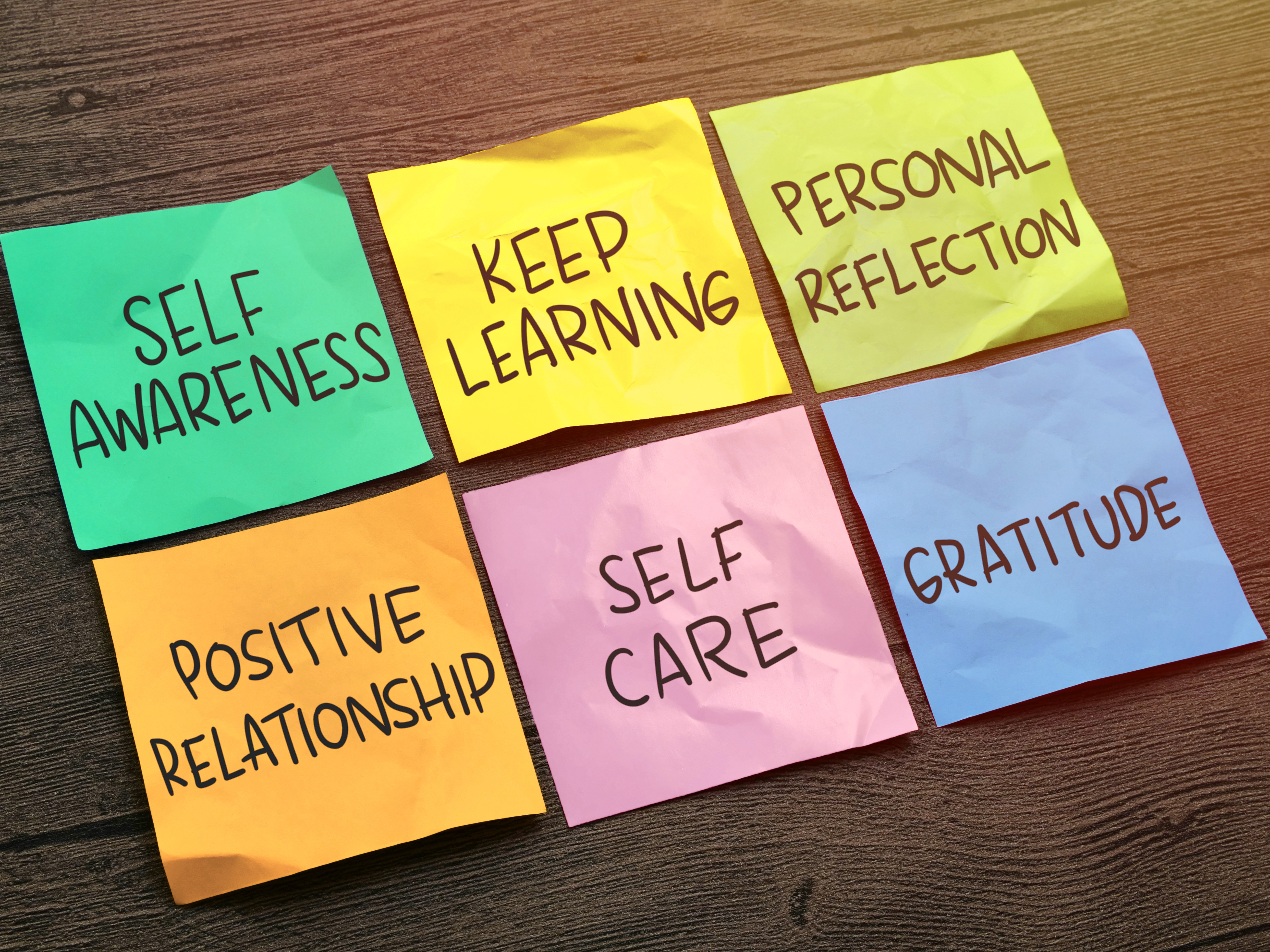
Every individual’s journey is a unique tapestry of moments, lessons, personal reflection and growth. By revisiting our past, we gain a deeper understanding of the choices that shaped us. Acknowledging our achievements fosters gratitude, while recognizing mistakes provides an opportunity for learning and improvement.
Moving forward, the key lies in applying these lessons while continuing to learn. Setting personal goals becomes more meaningful when fueled by the wisdom gained from past experiences. Whether it’s cultivating healthier habits, pursuing passions, or nurturing relationships, the past acts as a compass guiding us toward a better self.
On a communal level, the collective introspection amplifies positive change. Communities are built on shared experiences, and by reflecting on the past together, residents can identify areas for improvement. This shared understanding becomes the foundation for collaborative efforts to address challenges and enhance the overall well-being of the community.
Building a better future isn’t just about individual and communal self-improvement; it’s about fostering empathy and understanding. As we embark on this journey, it’s crucial to celebrate diversity and embrace inclusivity. Communities thrive when individuals respect and appreciate each other’s unique perspectives and contributions.
The future isn’t a distant, abstract concept—it’s the result of intentional actions taken in the present. By setting realistic goals and working towards them, both individually and collectively, we pave the way for positive transformation. The process of looking back on the past becomes a catalyst for meaningful change, propelling us towards a future filled with growth, compassion, and shared success.







 Health to Wealth Ventures