
Beginner’s Guide to Zero-Waste Living

With environmental concerns growing more urgent, many people are seeking practical ways to reduce their impact on the planet. One increasingly popular approach involves adopting a zero-waste lifestyle, which focuses on minimizing the amount of trash sent to landfills through conscious, sustainable choices in daily life. Though the concept may sound overwhelming, living zero-waste is more approachable than it seems—even small changes can make a big difference.

What Is Zero-Waste Living?
At its core, zero-waste living is about rethinking consumption and minimizing trash. The goal is to send as little as possible to landfills and incinerators by embracing the 5 R’s: Refuse, Reduce, Reuse, Recycle, and Rot. This means avoiding single-use products, reducing unnecessary purchases, reusing materials, recycling properly, and composting organic waste.

Getting Started: Simple Steps for Beginners
Adopting a zero-waste lifestyle doesn’t require an overnight transformation. Here are some beginner-friendly tips to ease into the process:

  1. Say No to Single-Use Plastics: Replace plastic bags, straws, and utensils with reusable options like cloth bags, stainless steel straws, and bamboo cutlery.
  2. Buy in Bulk: Purchasing grains, nuts, and spices in bulk using your own containers cuts down on packaging waste.
  3. Use a Reusable Water Bottle and Coffee Cup: These two simple changes can prevent hundreds of disposable cups and bottles from entering the waste stream each year.
  4. Shop Secondhand: Thrift stores and online resale platforms are great for finding clothes, furniture, and electronics, all while reducing demand for new products.
  5. Compost Food Scraps: Composting helps divert organic waste from landfills, where it would otherwise release harmful methane gas.

Embracing a Minimalist Mindset
“Zero-waste isn’t just about reducing trash—it’s a mindset,” says eco-advocate Maria Jameson, founder of Eco Everyday, a sustainability-focused blog. “When you buy less and choose better, you start to appreciate what you have, and that’s a powerful shift.”

By simplifying consumption habits and embracing minimalism, many zero-waste practitioners find unexpected benefits, such as saving money, reducing stress, and living more intentionally.

Community and Resources
Joining local or online communities can help sustain motivation. Farmers markets, bulk food stores, and community composting programs are excellent resources for zero-waste living. Social media groups and apps like Too Good To Go and OLIO offer platforms for reducing food waste and sharing excess goods.

The Bigger Picture
While individual actions are crucial, advocates stress that systemic change is also needed. Supporting businesses with sustainable practices and urging policymakers to implement waste-reduction strategies can amplify the impact of personal efforts.

“Zero-waste is not about perfection,” says Jameson. “It’s about making better choices every day and inspiring others to do the same.”

Transitioning to a zero-waste lifestyle is a journey, not a destination. Whether it’s bringing your own bag to the grocery store or starting a home compost bin, every action counts. As more people adopt waste-conscious habits, a cleaner, greener planet moves from aspiration to reality.
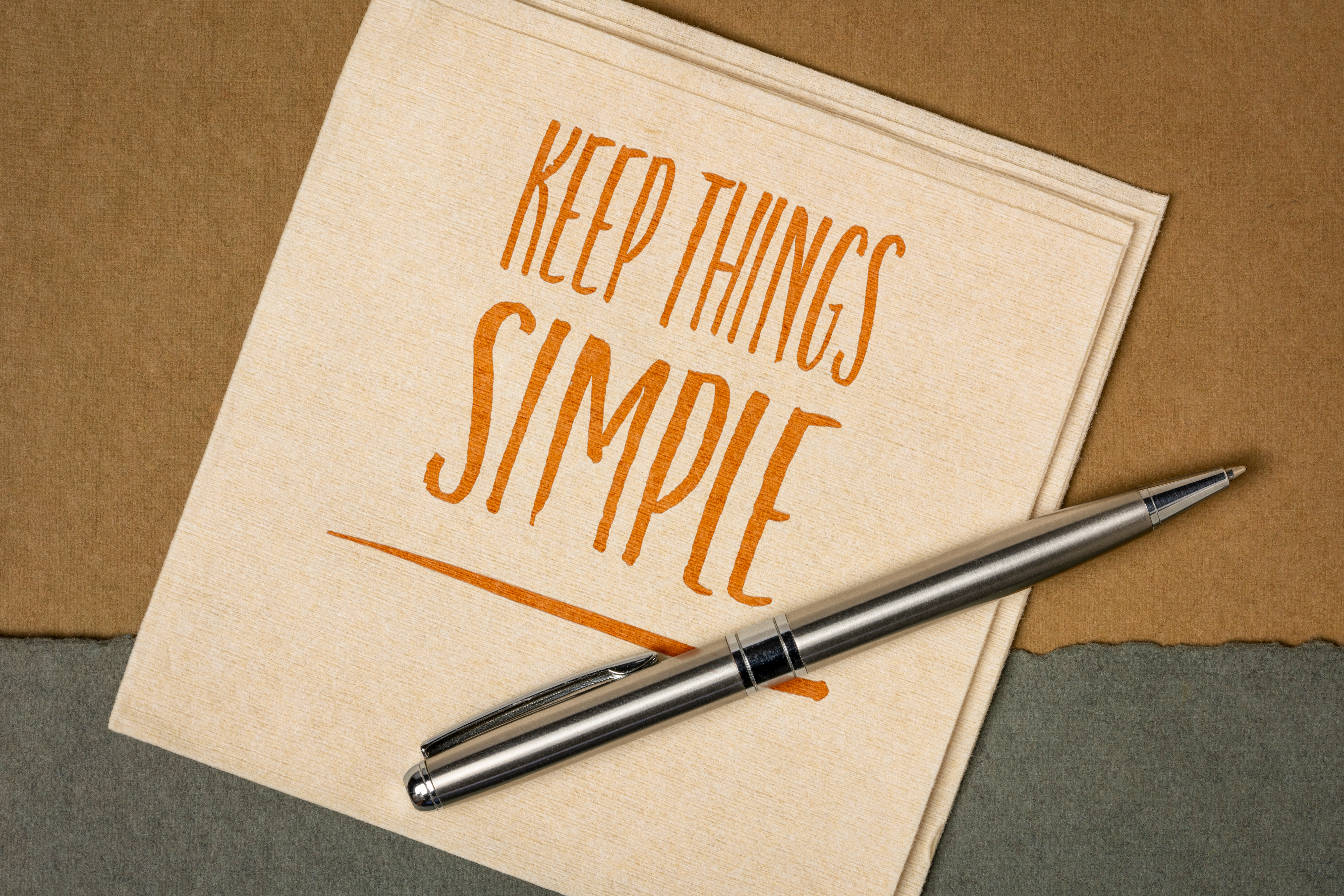
Minimalism and Decluttering: The Art of Living with Less

In a time where consumerism reigns and digital noise is constant, minimalism and decluttering have emerged as powerful lifestyle movements, offering a refreshing shift towards simplicity. With roots in both philosophical traditions and practical living, minimalism is reshaping how we approach our homes, our workspaces, and even our minds.

The Minimalist Movement: A Brief Overview
Minimalism isn’t just about aesthetics or clean, white spaces; it’s a lifestyle rooted in intentionality. Minimalism invites individuals to focus on what truly matters by eliminating excess. The idea is simple: reduce material possessions and distractions to create room for personal growth, creativity, and meaningful experiences.

Inspired by traditional Japanese design and the teachings of figures like the Buddha or the Danish “hygge” culture, minimalism as a movement gained traction in the 20th century. Today, modern influencers like Marie Kondo and “The Minimalists” (Joshua Fields Millburn and Ryan Nicodemus) have propelled the philosophy into mainstream culture, blending it with self-care, mindfulness, and sustainability.

Decluttering: The Practical Side of Minimalism
Decluttering is minimalism in action. While minimalism focuses on mindset, decluttering is the physical process of paring down possessions to remove the unnecessary and the unessential. It’s a step-by-step approach that helps individuals reorganize their homes and workspaces while creating a sense of mental clarity.

Psychologists have found that clutter in the home often correlates with stress, anxiety, and even depression. Living in an environment overrun with possessions can lead to decision fatigue and a feeling of overwhelm. Decluttering offers an antidote, providing tangible benefits like reduced stress and increased focus. It also emphasizes the importance of being intentional with future purchases.

Decluttering methods such as the KonMari Method, where items are kept only if they “spark joy,” and the 90/90 Rule from The Minimalists, which asks if you’ve used an item in the last 90 days or will in the next 90, have revolutionized how people approach their belongings. Each method encourages thoughtful decision-making and mindfulness, reducing emotional attachment to “stuff.”

Digital Decluttering: Clearing the Digital Chaos
As lives become increasingly entwined with technology, digital clutter is a growing problem. From overflowing email inboxes to never-ending social media feeds, digital decluttering has become just as important as physical decluttering. Tools like app management, file organization systems, and scheduled “digital detoxes” are helping individuals regain control of their digital lives, resulting in improved mental health and productivity.

Benefits of Minimalism and Decluttering
Minimalism isn’t just about having less; it’s about making room for more—more time, more peace, more focus on what matters. Here are a few key benefits:

Reduced Stress: A clutter-free space contributes to a calmer mind. Psychologists have long recognized the link between clutter and stress, so reducing unnecessary items can bring about an immediate sense of relief.

Increased Productivity: Clutter often leads to distraction. When environments are simplified, focus increases, leading to improved productivity both at home and in the workplace.

Environmental Impact: Minimalism champions mindful consumption, encouraging sustainable practices such as buying less, choosing quality over quantity, and repurposing items. This helps reduce waste and decreases an individual’s carbon footprint.

Financial Freedom: By prioritizing needs over wants, minimalists often find themselves saving more money and accumulating less debt.

Emotional Clarity: Letting go of material attachments can be emotionally liberating. It encourages people to place greater value on relationships, experiences, and self-growth rather than possessions.

Minimalism: A Trend or a Timeless Solution?
While some may see minimalism as a fleeting trend, its principles echo throughout history and across cultures, suggesting it’s a timeless solution for many of modern life’s challenges. Minimalism goes beyond aesthetics; it’s a countercultural stance against mindless consumption and a way to reclaim control in a world that often promotes excess.

As we move deeper into the 21st century, marked by rapid technological advances and societal shifts, minimalism and decluttering will likely continue to evolve, offering strategies to cope with both the physical and digital clutter of our lives. More than a passing fad, minimalism has become a mindset that resonates with those seeking balance, clarity, and purpose in a world that often feels chaotic.

Minimalism and decluttering are more than just lifestyle choices; they’re tools for living more intentionally. By cutting away the excess—whether in physical spaces, digital realms, or even relationships—minimalists create space for what’s truly valuable. In doing so, they find clarity, peace, and a deeper sense of fulfillment.