
For a long time, I thought feeling tired all the time was just part of getting older. I blamed stress, work, poor sleep… anything except the possibility that something deeper was going on. Like many men, I didn’t grow up hearing much about hormones, let alone testosterone. But low testosterone, often called “low T,” is a real and increasingly common issue, and it affects far more than just energy levels.

What Low Testosterone Feels Like
From what I’ve experienced and what I’ve learned low testosterone doesn’t usually announce itself loudly. It creeps in quietly. Fatigue becomes constant. Motivation drops. Muscle mass seems harder to maintain, even with regular exercise. Fat gain becomes easier, especially around the midsection. Mood changes follow irritability, brain fog, even a low-grade sense of depression.
For some men, libido drops and confidence takes a hit. For others, sleep worsens or recovery after workouts takes longer. The most frustrating part? Many of these symptoms are brushed off as “normal aging,” which means men often don’t address the root cause.
Why It’s Happening More Often
According to my doctor, testosterone levels naturally decline with age, but lifestyle plays a massive role. Chronic stress, poor sleep, excess body fat, sedentary habits, and ultra-processed diets all work against healthy hormone production. Add in environmental factors like endocrine-disrupting chemicals and it’s no surprise more men are struggling.
What stood out to me is that low testosterone isn’t just about sex drive or gym performance. It’s closely tied to long-term health, including bone density, cardiovascular health, insulin sensitivity, and mental clarity.
What I’ve Learned You Can Do About It
The good news is that low testosterone isn’t always a life sentence and it’s not always solved with a prescription right away. There are practical steps men can take to improve their levels naturally.
1. Prioritize Sleep
This one surprised me the most. Poor sleep can tank testosterone faster than almost anything else. Consistent, high-quality sleep between 7 to 9 hours supports hormone production and recovery.
2. Lift Heavy Things
Resistance training, especially compound movements like squats, deadlifts, and presses, signals the body to produce more testosterone. Long cardio sessions without strength work, on the other hand, can sometimes work against it.
3. Clean Up Nutrition
Adequate protein, healthy fats, and micro-nutrients like zinc and vitamin D matter. Crash dieting and ultra-low-fat diets can suppress testosterone. Eating enough and eating well makes a difference.
4. Manage Stress Ruthlessly
Chronic stress raises cortisol, and cortisol and testosterone do not coexist peacefully. Whether it’s walking, breathing exercises, or simply unplugging, stress management isn’t optional, it’s hormonal self-defense.
5. Reduce Excess Body Fat
Higher body fat increases estrogen conversion in men. Even modest fat loss can improve testosterone levels and overall metabolic health.
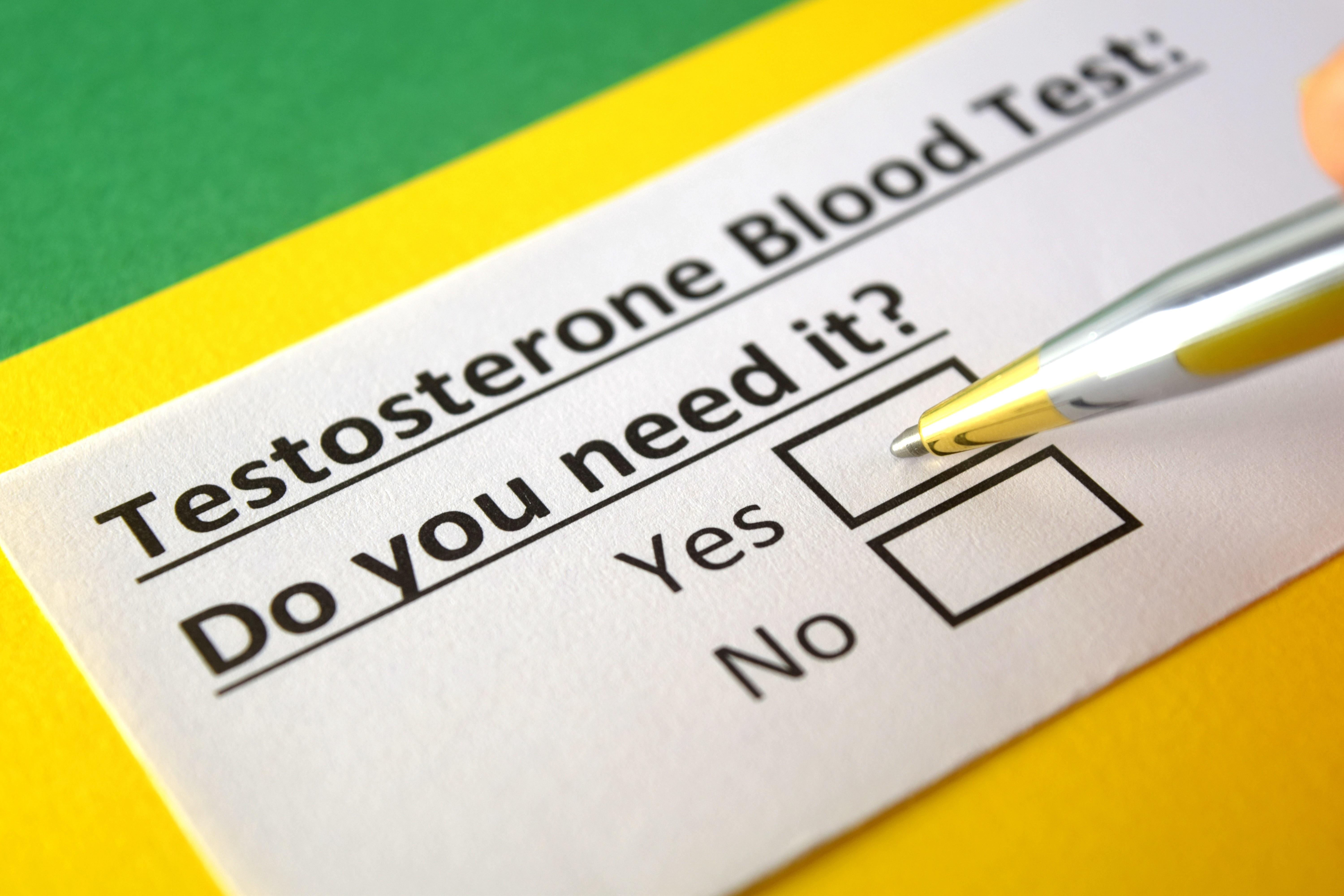
6. Get Tested and Be Honest
This may be the most important step. Blood work provides clarity. If lifestyle changes aren’t enough, medical guidance matters. Testosterone replacement therapy (TRT) can be life-changing for some men when appropriately prescribed and monitored but it should be a decision made with a qualified healthcare professional.
A Bigger Conversation Men Need to Have
What I’ve come to realize is that men’s health is often reactive instead of proactive. We wait until something is “really wrong.” Low testosterone sits in that gray area where symptoms are real, but easy to ignore.
Talking about it openly matters. Taking action early matters more. Feeling strong, focused, and engaged in life isn’t a luxury it’s a baseline we should expect and work to maintain.
Low testosterone doesn’t define a man, but ignoring it can quietly shape his quality of life. From my perspective, paying attention to the signals your body sends is one of the most responsible things a man can do for himself and for the people who rely on him.



 Health to Wealth Ventures