
Our bodies are incredible machines—constantly adjusting, healing, and protecting us from harm. But when something goes wrong, from infection to stress or injury, the body has a built-in set of alarms and defense systems that kick into gear. Understanding these reactions can help you recognize early warning signs and take better care of your health.
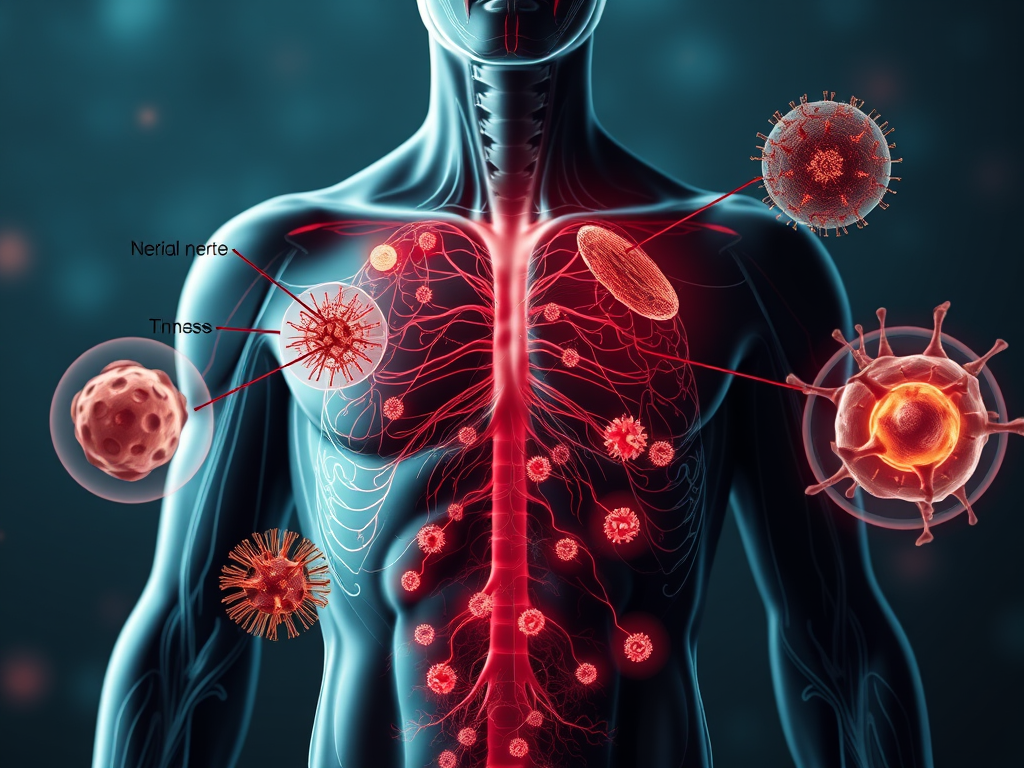
1. The Stress Response
When the brain senses danger—physical or emotional—it signals the adrenal glands to release adrenaline and cortisol. This is the “fight or flight” reaction. Your heart rate speeds up, blood pressure rises, and muscles tense, preparing your body to act fast.
Common triggers: Anxiety, trauma, or sudden physical exertion.
What to watch for: Rapid heartbeat, sweating, or feeling “on edge.”
2. The Immune Response
When bacteria, viruses, or toxins invade, the immune system launches an attack. White blood cells swarm to the area, causing inflammation—redness, swelling, and warmth—as part of the healing process.
Common triggers: Infection, injury, or allergic reactions.
What to watch for: Fever, fatigue, or localized pain.
3. The Pain Response
Pain is the body’s alarm system. Nerves send signals to the brain to warn that something is wrong. Acute pain helps you react quickly—like pulling your hand away from a hot surface—while chronic pain can signal ongoing issues that need attention.
Common triggers: Injury, inflammation, or nerve damage.
What to watch for: Persistent pain that doesn’t improve with rest or medication.
4. The Hormonal Response
Hormones regulate nearly every process in the body. When something goes off balance—like blood sugar or thyroid function—the body compensates by adjusting hormone levels. Over time, these shifts can lead to fatigue, mood swings, or weight changes.
Common triggers: Stress, poor diet, lack of sleep, or illness.
What to watch for: Sudden changes in energy, appetite, or emotional state.
5. The Cellular Repair Response
Cells are constantly repairing themselves. When DNA is damaged—by sun exposure, toxins, or normal aging—the body sends repair enzymes to fix it. If this process fails, it can lead to mutations or diseases.
Common triggers: UV light, pollution, smoking, or aging.
What to watch for: Slow healing wounds or unusual skin changes.

📊 Chart: How the Body Responds When Something Goes Wrong
| Body System | Trigger | Response | Common Symptoms | Purpose |
|---|---|---|---|---|
| Nervous System | Stress, fear, trauma | Fight-or-flight (adrenaline surge) | Fast heartbeat, sweating, tension | Prepare for danger |
| Immune System | Infection or injury | Inflammation, fever | Swelling, fatigue, pain | Destroy invaders and heal tissue |
| Endocrine System | Hormonal imbalance | Hormone release or suppression | Mood swings, weight change | Maintain internal balance (homeostasis) |
| Musculoskeletal | Injury or strain | Muscle contraction, repair signals | Pain, swelling, stiffness | Protect and heal damaged tissue |
| Cellular/DNA Repair | UV, toxins, aging | DNA repair or apoptosis | Slow healing, fatigue | Prevent mutation and maintain function |
Why it Matters
Recognizing how your body responds to stress, injury, or imbalance helps you take control of your health. Awareness leads to action—and action leads to prevention.


 Health to Wealth Ventures