
In a society characterized by constant connectivity, rapid technological advancements, and an ever-increasing pace of life, more individuals are turning to ancient practices like meditation and mindfulness to find peace, focus, and balance. Once considered niche or even esoteric, these practices have moved into the mainstream, with scientific studies and wellness experts alike touting their benefits.
The Rise of Meditation and Mindfulness
Over the past decade, meditation and mindfulness have experienced a surge in popularity. From Silicon Valley tech giants to classrooms and corporate boardrooms, the practices are being embraced as essential tools for managing stress and enhancing mental well-being.
The proliferation of smartphone apps like Headspace and Calm has played a significant role in bringing these practices to the masses. These platforms offer guided sessions that are accessible to beginners and seasoned practitioners alike, making it easier than ever for people to integrate mindfulness into their daily lives.
The Science Behind the Practice
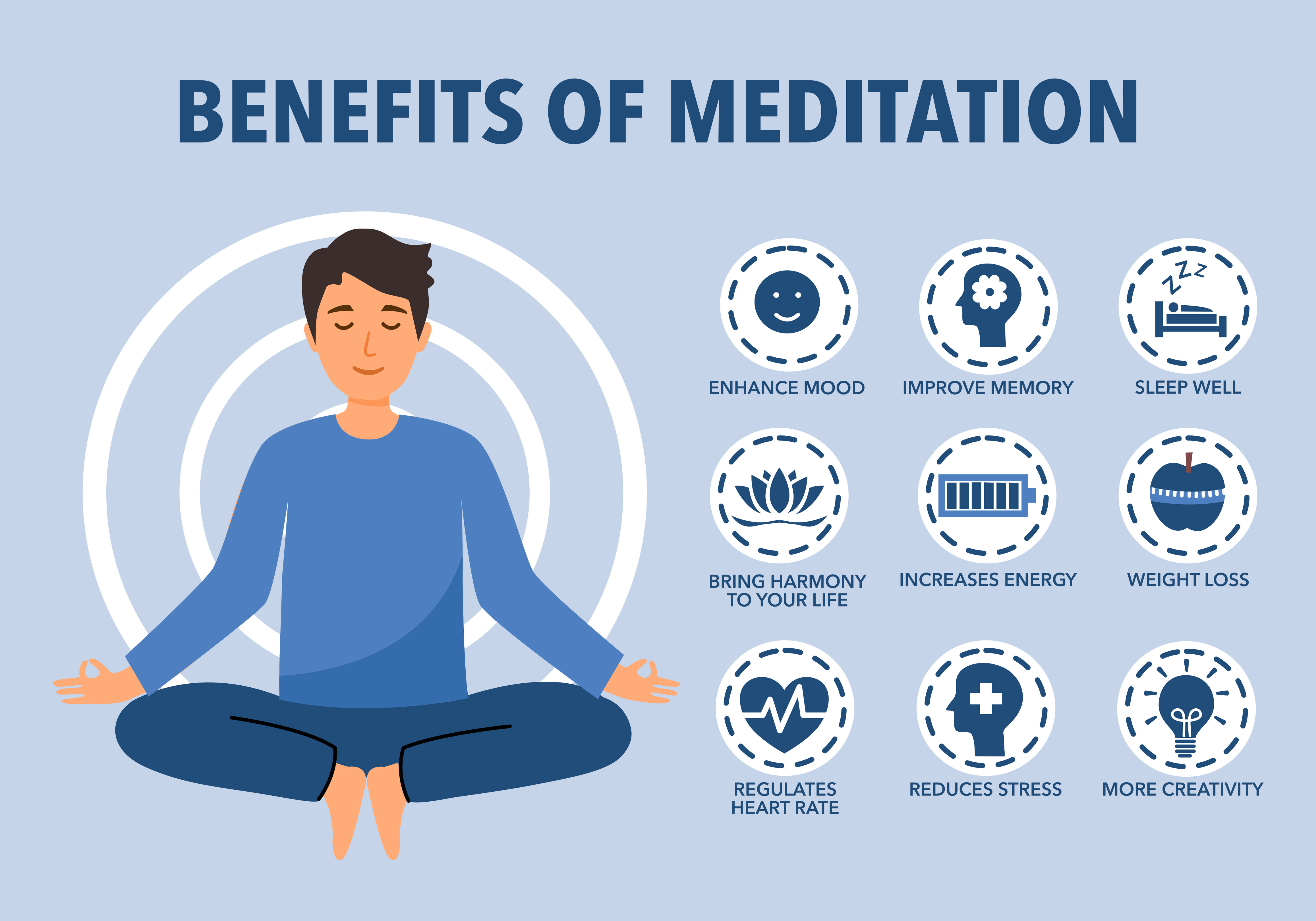
Meditation and mindfulness are not just trendy buzzwords; they are practices backed by a growing body of scientific research. Studies have shown that regular meditation can reduce stress, lower blood pressure, and improve overall mental health. Mindfulness, which involves paying attention to the present moment without judgment, has been linked to enhanced focus, emotional regulation, and even better relationships.
A study published in the journal JAMA Internal Medicine found that mindfulness meditation programs can help reduce anxiety, depression, and pain. Similarly, research from Harvard Medical School has shown that mindfulness can lead to structural changes in the brain, including an increase in gray matter in areas associated with learning and memory.
Applications Across Sectors
The benefits of meditation and mindfulness are being recognized across various sectors. In education, schools are incorporating mindfulness programs to help students manage stress and improve concentration. Corporate wellness programs are also embracing mindfulness as a way to boost employee productivity and reduce burnout. Even the healthcare industry is exploring the integration of mindfulness into treatment plans for chronic pain, addiction, and mental health disorders.
Challenges and Misconceptions
Despite the growing popularity, there are still challenges and misconceptions surrounding meditation and mindfulness. Some individuals believe that these practices require significant time commitments or that they are religious in nature. However, experts emphasize that even a few minutes of daily practice can yield positive results and that meditation and mindfulness are secular practices accessible to anyone.
Another challenge is the commodification of mindfulness, with critics arguing that the practice is being co-opted by consumer culture. The abundance of mindfulness-related products and services has led some to question whether the true essence of the practice is being diluted.
The Future of Mindfulness
As the demand for mental health and wellness solutions continues to rise, meditation and mindfulness are likely to become even more entrenched in everyday life. Future trends may include the development of more personalized mindfulness programs, advances in technology that enhance the practice, and further integration into various aspects of society, from healthcare to education.

In a world that often feels overwhelming, meditation and mindfulness offer a timeless antidote—a way to reconnect with the present moment, cultivate inner peace, and navigate life’s challenges with greater resilience. As more people discover the profound benefits of these practices, they are not just embracing a trend but a path to long-lasting well-being.


 Health to Wealth Ventures