Finding Hope in Life’s Setbacks

There’s a moment in life that doesn’t arrive with fireworks or a parade. It arrives quietly. A door opens that was once locked. A problem that lingered finally resolves. An opportunity appears after years of waiting. And when it happens, the first reaction is often disbelief.

“Why now?”

But perhaps the better question is: Why not now?

Because life, despite its detours and delays, has a way of working out especially for those who refuse to lose hope.


The Illusion of Permanent Setbacks

When you’re in the middle of a difficult season, it feels permanent. That’s the illusion hardship creates. It convinces you that today’s conditions will last forever. Careers stall. Investments underperform. Personal goals slip further away. You start to wonder if the momentum you once had is gone for good.

But life rarely moves in straight lines. It moves in cycles.

What feels like stagnation is often preparation. Skills are building beneath the surface. Perspective is sharpening. Resilience is forming. These invisible gains rarely get credit but they are often the foundation of future breakthroughs.

The truth is, many successes arrive long after the effort that made them possible.


Progress Is Happening Even When You Can’t See It

One of the most dangerous moments in any journey is the point just before progress becomes visible. This is when most people quit. Not because they lack ability but because they lack evidence.

Progress often works quietly before it works visibly.

Consider how investments grow. For years, the gains appear modest. Then suddenly, compounding takes over, and growth accelerates. Life operates the same way. Effort compounds. Discipline compounds. Persistence compounds.

And eventually, outcomes compound.

What once seemed impossible becomes inevitable.


Resilience Is the Ultimate Advantage

Hope is not blind optimism. It’s a strategic advantage.

People who maintain hope continue taking action. They continue showing up. They continue positioning themselves where opportunity can find them.

Those who lose hope withdraw. They stop trying. They unintentionally remove themselves from the path of possibility.

Over time, the difference becomes enormous.

The individuals who succeed are rarely the ones who never faced setbacks. They’re the ones who stayed in the game long enough for things to turn in their favor.


Timing Often Matters More Than Talent

Many people underestimate the role timing plays in success. You can do everything right and still have to wait. Markets shift. Industries evolve. Relationships develop. Circumstances align.

What feels like delay is often alignment.

You’re not starting over you’re starting from experience.

And experience has value that can’t be rushed.


When Things Finally Turn, It Feels Sudden But It Wasn’t

To outsiders, success often appears sudden. But to the person experiencing it, it’s anything but sudden. It’s the result of countless days when nothing seemed to change. Days when effort felt invisible. Days when quitting would have been easier.

The breakthrough isn’t the beginning of success. It’s the visible confirmation of work that’s been happening all along.

That’s why you shouldn’t be surprised when things finally work out.

You’ve been building toward it longer than you realize.

The Key Is Simple: Be Resilient and Don’t Lose Hope

Hope keeps you moving. It keeps your mind open. It keeps your effort consistent.

Hope doesn’t guarantee immediate results but it guarantees you remain in position for future ones.

Life has a remarkable tendency to reward persistence.

Not always on your timeline.

Not always in the way you expected.

But often in ways that make the journey worthwhile.

So if things haven’t worked out yet, it doesn’t mean they won’t.

It may simply mean the story isn’t finished.

And the people who see things work out in the end are almost always the ones who refused to lose hope along the way.

Why I Believe in Karma: Good Luck Is Not Chance, It’s Design

People often attribute success to being in the right place at the right time, I hold a different belief: good luck is rarely accidental. More often than not, it is designed, shaped by choices, intentions, and consistent actions over time. The old saying, “everything happens for a reason,” may sound simplistic, but in practice, it reflects a deeper truth about karma and accountability.

Karma, as I see it, is not a mystical force keeping score in the background. It is a practical feedback loop. How we treat people, how we handle adversity, and how we show up when no one is watching quietly influences the opportunities that later appear in our lives. Positive actions compound just like negative ones do. The difference is that positive behavior tends to open doors, while negative behavior closes them.

What many people call “good luck” is often the visible outcome of invisible preparation. It is the relationship built years earlier that leads to a timely introduction. It is the discipline of doing the right thing repeatedly that earns trust when it matters most. It is resilience through setbacks that positions someone to recognize opportunity when it finally arrives. From the outside, it looks sudden. From the inside, it is anything but.

The idea that everything happens for a reason does not suggest that every event is good or fair. Life delivers setbacks, losses, and moments that feel undeserved. However, karma shows itself in how we respond. Do we learn? Do we grow? Do we choose integrity even when it costs us in the short term? Over time, those responses shape our trajectory far more than any single event.

I have seen this play out repeatedly. People who consistently act with honesty, generosity, and patience tend to find themselves surrounded by support when they need it most. Opportunities seem to find them, not because the universe randomly selected them but because they designed a life that attracts trust and collaboration. Conversely, shortcuts and self-serving behavior may deliver quick wins, but they often come with long-term consequences that eventually surface.

Believing in karma is also believing in responsibility. It means acknowledging that our outcomes are influenced, in large part, by our own decisions. It removes the comfort of blaming luck for failure and replaces it with a more empowering idea: we have agency. We are constantly designing our future through daily choices, habits, and values.

Good luck, then, is not a roll of the dice. It is the return on investment from showing up consistently, treating people well, and doing the work when no applause is guaranteed. Karma does not operate on our timeline, but it is remarkably accurate over the long run.

Everything happens for a reason not because fate is random, but because cause and effect rarely miss. The life you are living today is, in many ways, the result of designs you made yesterday. The good news is that today’s actions are already shaping tomorrow’s “luck.”

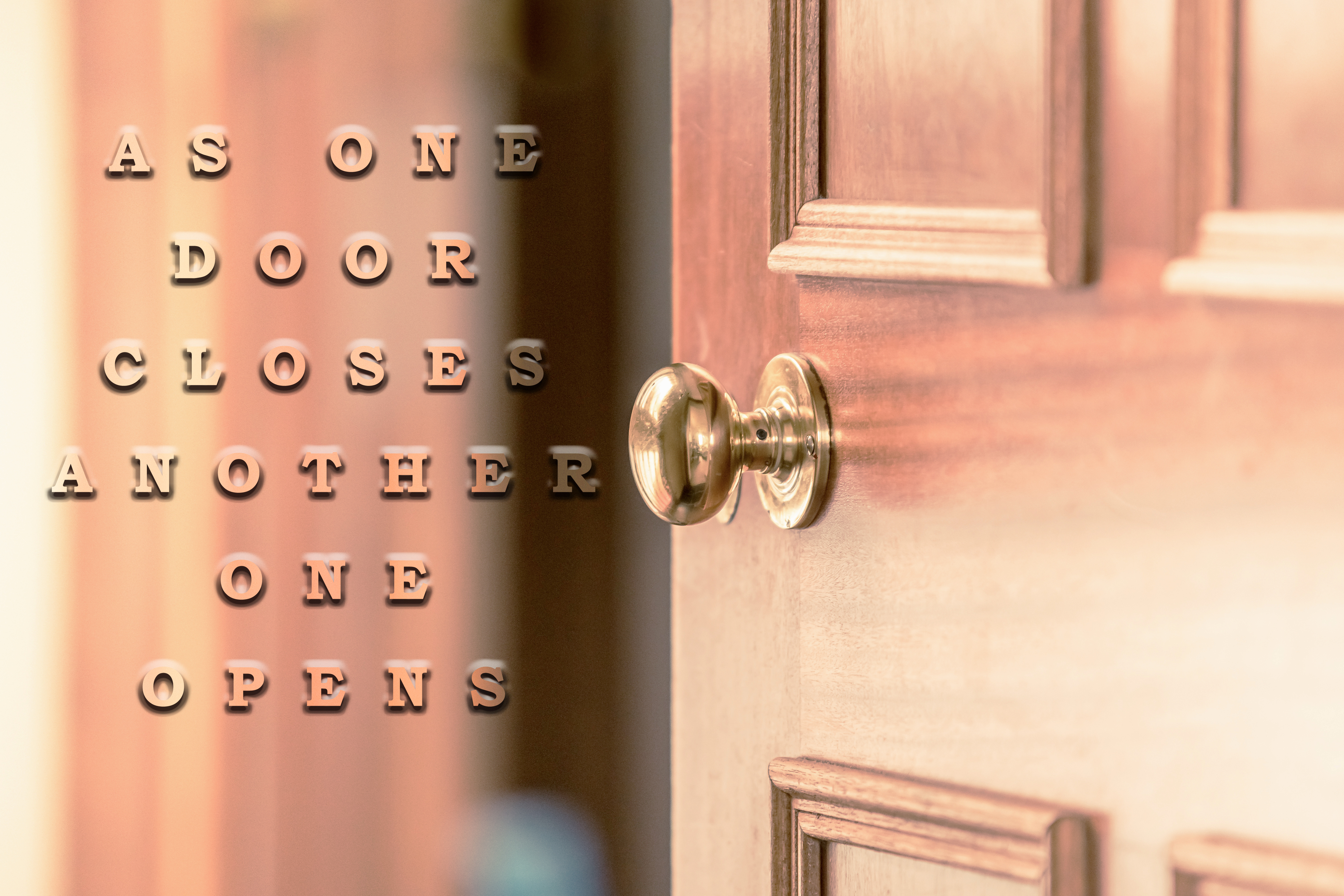
When One Door Closes: The Power of Persistence and New Beginnings

Life often feels fast-paced and unforgiving, but stories of resilience remind us that setbacks aren’t the end they’re often the beginning of something greater.

Across communities and cultures, the idea that “when one door closes, another opens” resonates deeply. It’s more than just a comforting phrase; it reflects a truth rooted in human experience. Whether it’s a lost job, a missed opportunity, or a personal setback, each closed door can become a catalyst for growth and transformation.

Take, for example, the story of Angela Brooks, a small business owner in Denver, Colorado. In 2020, Angela lost her job at a corporate marketing firm amid widespread layoffs. Devastated but determined, she turned to her long-time passion, baking. Starting from her home kitchen, Angela launched a small cupcake business. Today, her shop “Sweet Rise” is a thriving local favorite, employing a dozen people and giving back to the community that supported her from the start.

“I cried for days when I got the news,” Angela recalls. “But losing that job forced me to take a chance on myself. Looking back, it was the best thing that ever happened to me.”

Psychologists agree that mindset plays a crucial role in how we navigate change. “It’s not about denying the pain of disappointment,” says Dr. Lauren Hayes, a clinical psychologist. “It’s about allowing that experience to redirect you. Resilience isn’t about being unaffected—it’s about being adaptive.”

The journey isn’t always easy, but stories like Angela’s and countless others reaffirm that persistence pays off. Musicians turned tech entrepreneurs, failed writers who became bestselling authors, students who didn’t get into their dream college but discovered new passions elsewhere each story is a testament to the doors that open when others shut.

As the world continues to evolve, so too do the opportunities waiting just around the corner. Every challenge holds the seeds of a comeback. All it takes is faith, determination, and the courage to keep moving forward.

So the next time you face a closed door, take a breath. Then look around there just might be another one, wide open and full of possibility.