
Winter Is Coming: What You Should Never Leave in Your Car During the Cold Months

Dropping temperatures bring more than icy roads and frosted windshields, they also pose hidden risks to everyday items left inside your vehicle. While a parked car may feel like a convenient storage space, freezing conditions can quickly turn it into an environment that damages belongings, creates safety hazards, and leads to unnecessary expenses.
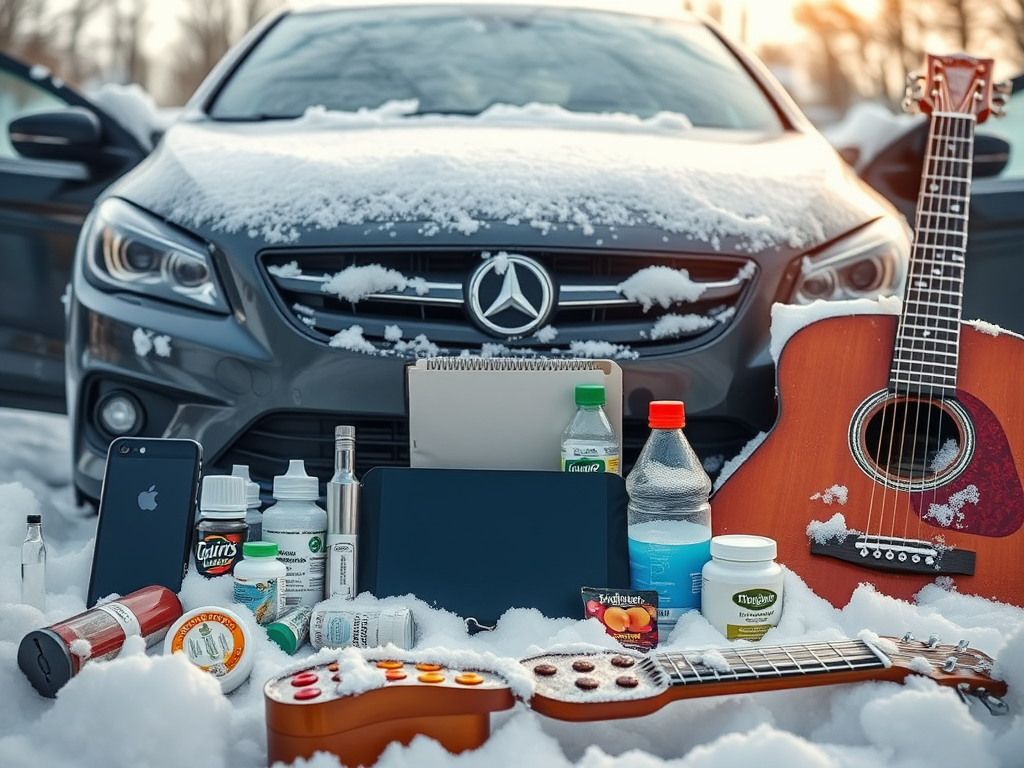
Cold weather affects materials in different ways. Liquids expand when frozen, batteries lose charge, and certain products can become unstable or ineffective. Knowing what not to leave in your car during winter can help protect both your property and your personal safety.

Electronics are among the most vulnerable items. Smartphones, laptops, and tablets rely on lithium-ion batteries, which drain rapidly in cold temperatures and may suffer permanent damage. Screens can also crack when exposed to extreme cold, especially if the device is used before warming up.

Medications are another critical concern. Many prescriptions and over-the-counter drugs must be stored within a specific temperature range to remain effective. Insulin, inhalers, liquid medicines, and EpiPens can lose potency or fail altogether when frozen posing serious health risks.

Aerosol cans, including deodorant, hairspray, and cooking spray, should also be removed from vehicles in winter. When exposed to freezing temperatures, these pressurized containers can leak or burst, damaging your car’s interior and creating a potential safety hazard.

Food and beverages are commonly overlooked. Bottled water, canned goods, and sealed drinks can freeze and expand, causing containers to crack or explode. Glass bottles are especially risky, as they can shatter and leave sharp debris behind.

Personal care products such as lotions, shampoos, cosmetics, and toothpaste often freeze or separate in cold weather, making them unusable. Similarly, adhesives and glues can lose their bonding strength once frozen, rendering them ineffective for future use.

Musical instruments should never be left in a cold car. Wood and metal components react poorly to temperature fluctuations, leading to warping, cracking, or tuning instability, damage that can be costly or irreversible.

Important documents, including insurance papers and legal forms, can also suffer. Moisture and condensation inside a cold vehicle may cause papers to warp, smudge, or deteriorate over time.

Even safety equipment is not immune. Some fire extinguishers may lose pressure or fail to operate properly in extreme cold unless they are specifically rated for low temperatures.

As winter weather becomes more unpredictable, a simple habit of clearing your car at the end of the day can go a long way. Protecting these items not only saves money but also helps ensure your safety and peace of mind throughout the colder months.
Portugal’s Gems: Why Lisbon, Porto, and Nazaré Belong on Your Bucket List

Portugal has quietly grown into one of Europe’s must-see destinations—and for good reason. From historic streets echoing with centuries of stories to breathtaking coastal views that defy postcards, the country’s allure is undeniable. Recently, I explored three of Portugal’s standout cities… Lisbon, Porto, and Nazaré—and came back convinced that everyone should add them to their travel bucket list.

Lisbon: A City of Light and Layers
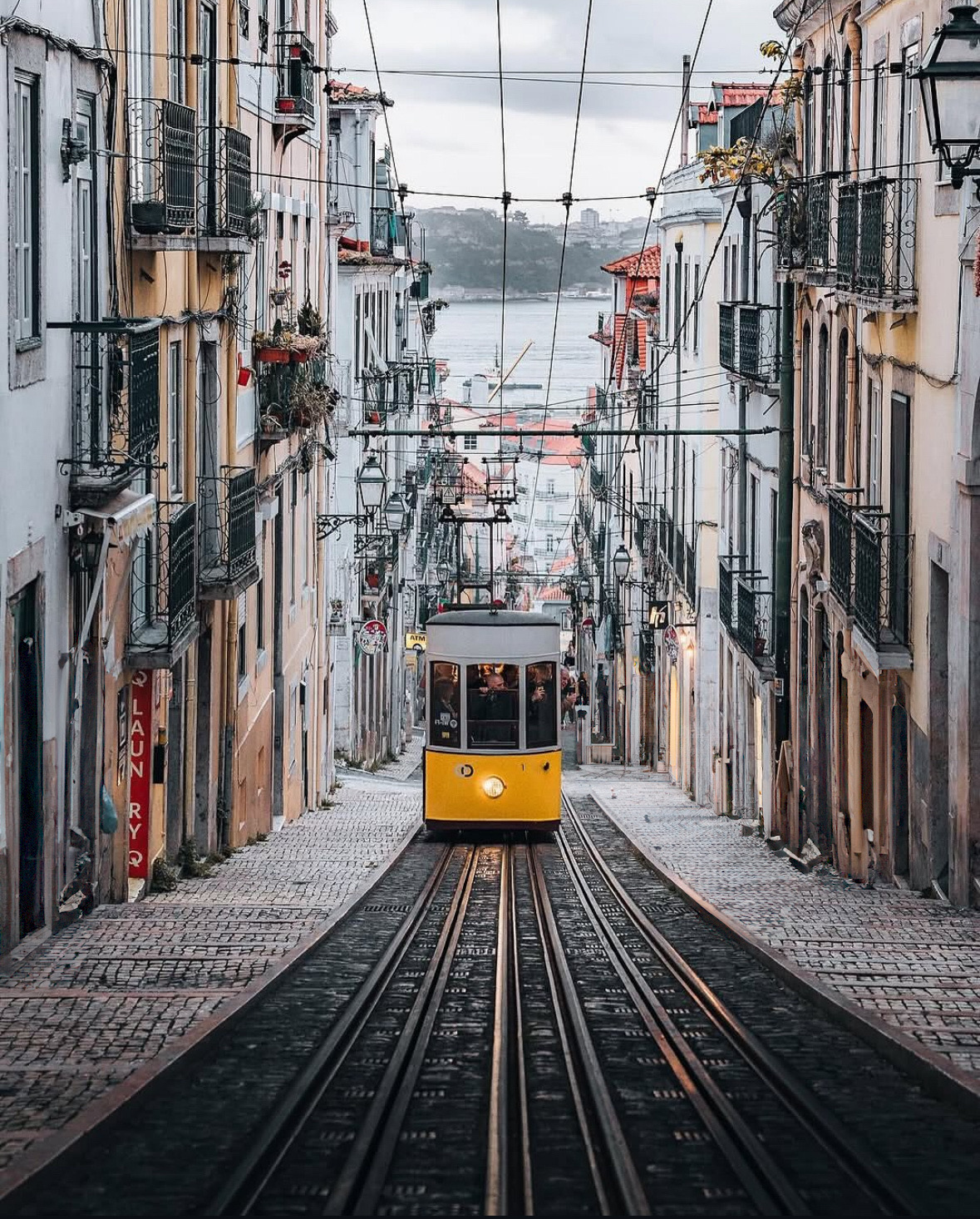
Portugal’s capital is where old-world charm meets youthful energy. Wander through Alfama’s narrow alleys where the soulful sound of Fado spills out of tiny restaurants. Take in sweeping views from Miradouros (viewpoints) perched on the city’s seven hills. Ride the iconic yellow tram 28 past pastel buildings and tiled façades. And when the sun sets, Lisbon’s nightlife hums in Bairro Alto and along the riverside in Cais do Sodré.

Porto: Wine, Bridges, and Timeless Beauty
Up north, Porto welcomes you with its rich culture and stunning riverside. The Dom Luís I Bridge, designed by a disciple of Gustave Eiffel, is an architectural marvel and a perfect spot to watch the Douro River flow by. Sip a glass of world-famous port wine in a centuries-old cellar in Vila Nova de Gaia or stroll through Ribeira, Porto’s colorful waterfront district. With its mix of medieval streets and cutting-edge gastronomy, Porto feels like stepping into a living painting.

Nazaré: Waves and Wonder
If you’re craving something wilder, head to Nazaré, a seaside village that has become legendary among surfers. Home to some of the world’s biggest waves, Nazaré draws thrill-seekers and spectators alike. But there’s more than just surf: the cliffs offer jaw-dropping Atlantic vistas, the beach is wide and golden, and the town’s fishing heritage adds authenticity to every meal of freshly grilled sardines.

A Country That Captures Your Heart
What ties these cities together is Portugal’s warm hospitality, incredible food, and the way history and modern life blend effortlessly. Whether you’re tracing tram tracks in Lisbon, sipping port by the Douro in Porto, or watching giants of the sea crash into Nazaré’s cliffs, you’ll find something unforgettable.

So, if your next adventure is still undecided, consider Portugal’s treasures—Lisbon, Porto, and Nazaré. One visit, and you’ll understand why so many travelers return again and again.

Summer Skies and Snags: Navigating Airline Delays While Still Making the Most of Your Vacation

As summer 2025 takes flight, so do the travelers—millions of them—crisscrossing the globe in search of sun, adventure, and relaxation. But with high demand, weather unpredictability, and stretched airline resources, delays are becoming a familiar part of the journey.

According to recent data from the International Air Transport Association (IATA), global airline delays in June rose by 18% compared to last summer, largely driven by increased travel demand, pilot shortages, and weather-related disruptions. Major hubs like New York’s JFK, London Heathrow, and Frankfurt have all experienced bottlenecks, frustrating travelers eager to begin their holidays.

But here’s the twist: despite the delays, travelers aren’t letting the turbulence ground their good vibes.

“We were stuck at the airport for ten hours,” said David Dandaneau, an Insurance Analyst from Tampa en route to Lisbon. “But we made it fun. We played cards with a couple from Italy, shared snacks, and swapped travel tips. It ended up being one of the most memorable parts of our trip.”

Social media is awash with similar stories. From impromptu yoga sessions in gate areas to mini-concerts by musicians waiting for their flights, travelers are finding creative ways to turn delay-induced downtime into shared moments of joy.

Travel experts recommend keeping expectations flexible and packing patience alongside your passport. Here are a few ways to keep spirits high even when your departure time isn’t:

Pack a travel-friendly game or book. Delays are less annoying when you’re entertained.

Download shows or podcasts in advance. Wi-Fi isn’t always reliable during layovers.

Stay hydrated and fueled. Hunger and frustration are a bad combo.

See delays as bonus time. Use it to reflect, journal, or make a new friend.

“Travel is never perfect—and it doesn’t need to be,” says psychologist and travel blogger Dr. Ayesha Reed. “It’s all part of the story you’ll tell when you get home.”

So, whether your flight takes off on time or fashionably late, remember: summer isn’t about sticking to a schedule—it’s about soaking in the experience. Even if it starts at Gate B12 with a three-hour wait and a lukewarm coffee.

Because the journey, delays and all, is half the adventure. ✈️🌞