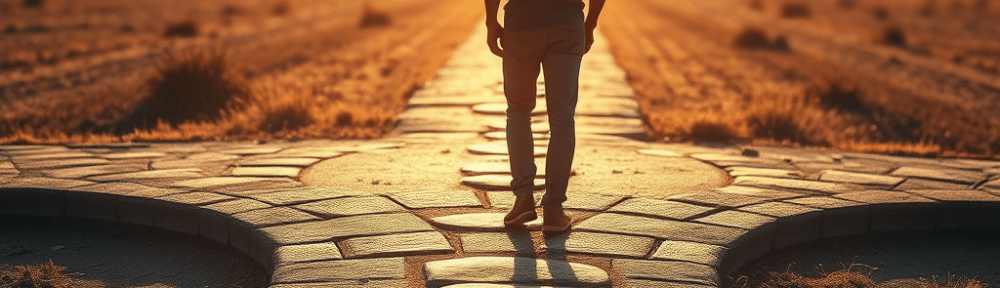
People often attribute success to being in the right place at the right time, I hold a different belief: good luck is rarely accidental. More often than not, it is designed, shaped by choices, intentions, and consistent actions over time. The old saying, “everything happens for a reason,” may sound simplistic, but in practice, it reflects a deeper truth about karma and accountability.

Karma, as I see it, is not a mystical force keeping score in the background. It is a practical feedback loop. How we treat people, how we handle adversity, and how we show up when no one is watching quietly influences the opportunities that later appear in our lives. Positive actions compound just like negative ones do. The difference is that positive behavior tends to open doors, while negative behavior closes them.
What many people call “good luck” is often the visible outcome of invisible preparation. It is the relationship built years earlier that leads to a timely introduction. It is the discipline of doing the right thing repeatedly that earns trust when it matters most. It is resilience through setbacks that positions someone to recognize opportunity when it finally arrives. From the outside, it looks sudden. From the inside, it is anything but.
The idea that everything happens for a reason does not suggest that every event is good or fair. Life delivers setbacks, losses, and moments that feel undeserved. However, karma shows itself in how we respond. Do we learn? Do we grow? Do we choose integrity even when it costs us in the short term? Over time, those responses shape our trajectory far more than any single event.
I have seen this play out repeatedly. People who consistently act with honesty, generosity, and patience tend to find themselves surrounded by support when they need it most. Opportunities seem to find them, not because the universe randomly selected them but because they designed a life that attracts trust and collaboration. Conversely, shortcuts and self-serving behavior may deliver quick wins, but they often come with long-term consequences that eventually surface.
Believing in karma is also believing in responsibility. It means acknowledging that our outcomes are influenced, in large part, by our own decisions. It removes the comfort of blaming luck for failure and replaces it with a more empowering idea: we have agency. We are constantly designing our future through daily choices, habits, and values.
Good luck, then, is not a roll of the dice. It is the return on investment from showing up consistently, treating people well, and doing the work when no applause is guaranteed. Karma does not operate on our timeline, but it is remarkably accurate over the long run.
Everything happens for a reason not because fate is random, but because cause and effect rarely miss. The life you are living today is, in many ways, the result of designs you made yesterday. The good news is that today’s actions are already shaping tomorrow’s “luck.”


 Health to Wealth Ventures