Dropping temperatures bring more than icy roads and frosted windshields, they also pose hidden risks to everyday items left inside your vehicle. While a parked car may feel like a convenient storage space, freezing conditions can quickly turn it into an environment that damages belongings, creates safety hazards, and leads to unnecessary expenses.
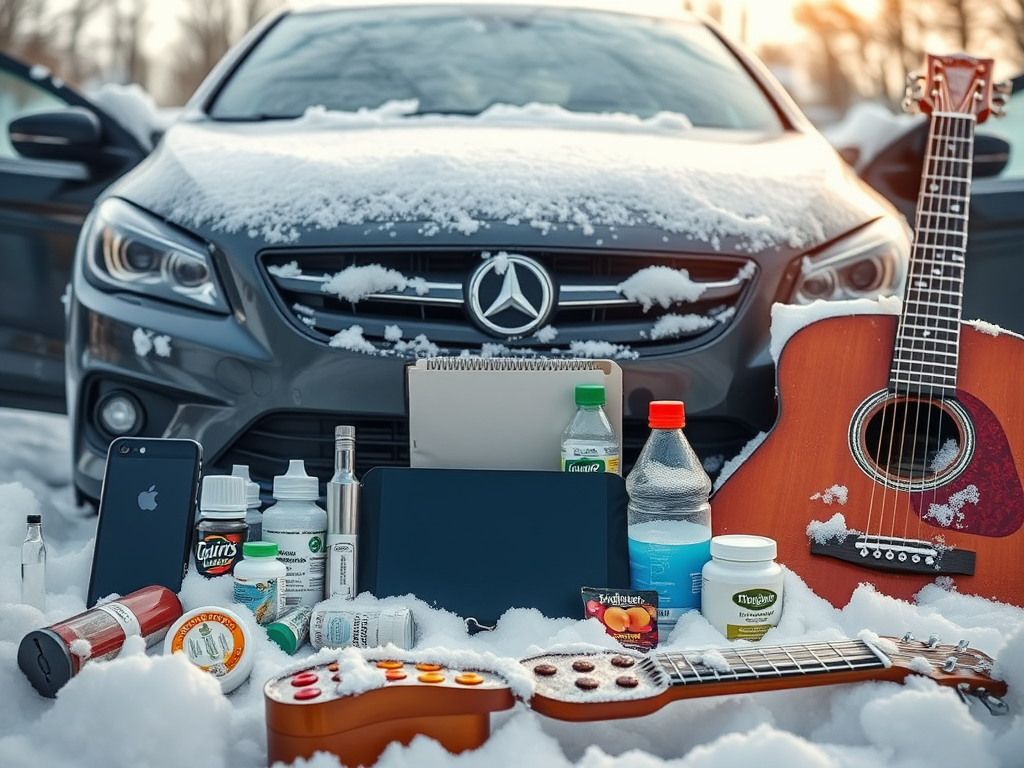
Cold weather affects materials in different ways. Liquids expand when frozen, batteries lose charge, and certain products can become unstable or ineffective. Knowing what not to leave in your car during winter can help protect both your property and your personal safety.
Electronics are among the most vulnerable items. Smartphones, laptops, and tablets rely on lithium-ion batteries, which drain rapidly in cold temperatures and may suffer permanent damage. Screens can also crack when exposed to extreme cold, especially if the device is used before warming up.
Medications are another critical concern. Many prescriptions and over-the-counter drugs must be stored within a specific temperature range to remain effective. Insulin, inhalers, liquid medicines, and EpiPens can lose potency or fail altogether when frozen posing serious health risks.
Aerosol cans, including deodorant, hairspray, and cooking spray, should also be removed from vehicles in winter. When exposed to freezing temperatures, these pressurized containers can leak or burst, damaging your car’s interior and creating a potential safety hazard.
Food and beverages are commonly overlooked. Bottled water, canned goods, and sealed drinks can freeze and expand, causing containers to crack or explode. Glass bottles are especially risky, as they can shatter and leave sharp debris behind.
Personal care products such as lotions, shampoos, cosmetics, and toothpaste often freeze or separate in cold weather, making them unusable. Similarly, adhesives and glues can lose their bonding strength once frozen, rendering them ineffective for future use.
Musical instruments should never be left in a cold car. Wood and metal components react poorly to temperature fluctuations, leading to warping, cracking, or tuning instability, damage that can be costly or irreversible.
Important documents, including insurance papers and legal forms, can also suffer. Moisture and condensation inside a cold vehicle may cause papers to warp, smudge, or deteriorate over time.
Even safety equipment is not immune. Some fire extinguishers may lose pressure or fail to operate properly in extreme cold unless they are specifically rated for low temperatures.
As winter weather becomes more unpredictable, a simple habit of clearing your car at the end of the day can go a long way. Protecting these items not only saves money but also helps ensure your safety and peace of mind throughout the colder months.


 Health to Wealth Ventures