A new kind of city is emerging—one where data flows like electricity, sensors track everything from traffic to trash collection, and digital connectivity makes urban life more efficient, sustainable, and responsive. These are smart cities, and their rise is rapidly reshaping how people live, work, and interact with their communities.
At the heart of this transformation is the integration of technology into the very fabric of city infrastructure. Smart traffic lights that reduce congestion, public Wi-Fi that bridges the digital divide, and environmental monitoring systems that track air and water quality are just a few hallmarks of a smart city. While major metropolises like Singapore and Amsterdam often take the spotlight, many U.S. cities—Tampa included—are quietly undergoing their own tech-powered evolutions.
A Personal View from Downtown Tampa
For longtime Tampa resident and business owner Maria Alvarez, the transformation isn’t just theoretical—it’s personal.
“I opened my café in downtown Tampa ten years ago,” Maria said. “Back then, traffic was a nightmare during rush hour, parking meters were clunky and cash-only, and our power would go out during every summer storm.”
Today, Maria sees a different city outside her storefront.
“Now, I get real-time alerts about parking availability through an app. The city installed solar-powered trash compactors that alert waste management when they’re full, and the traffic flow is noticeably smoother thanks to smart signals that adapt in real time.”
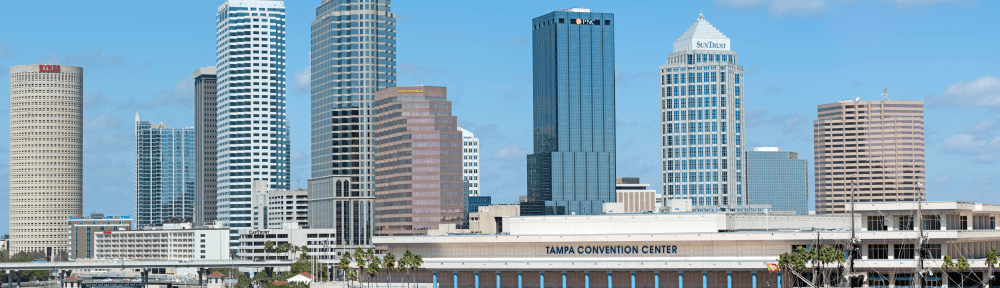
Tampa’s smart city initiatives have been steadily expanding, particularly in its downtown core. The city has installed a network of sensors and cameras that monitor pedestrian and vehicle movement, which helps city planners make data-informed decisions about infrastructure and public safety. Public transit riders benefit from GPS-tracked trolleys and buses that display accurate arrival times. Even streetlights have gone smart—some now automatically dim when foot traffic is low, saving energy and reducing light pollution.
“I’ve noticed the difference in my electric bill, too,” Maria added. “The building upgraded to smart thermostats and lighting last year, part of a city-sponsored energy efficiency program. My costs dropped almost 20%.”
Building Smarter, Living Better
The appeal of smart cities goes beyond convenience. They offer solutions to some of the most pressing urban challenges, including climate change, population growth, and strained infrastructure. Smart water meters detect leaks before they cause major damage. Digital kiosks provide up-to-date information to tourists and residents alike. And emergency responders can use connected infrastructure to arrive faster during critical situations.
Tampa Mayor Jane Castor has championed the city’s digital transformation. In a recent statement, she said, “We’re committed to making Tampa not only a great place to live but a model for how mid-sized cities can thrive in the digital age. Smart technologies are helping us do more with less—delivering better services while being responsible stewards of taxpayer dollars.”
Looking Ahead
As the global push toward urban innovation continues, Tampa’s example shows that even incremental changes can make a big difference. For Maria Alvarez, the city’s evolution has breathed new life into her business and daily routine.
“It’s not just about the tech,” she said, smiling. “It’s about how that tech helps us feel more connected, more informed, and more at home in our city.”
Smart cities may be powered by technology, but their success depends on the people who live in them—and Tampa’s residents are proving that when community and innovation work hand in hand, the future looks brighter than ever.


 Health to Wealth Ventures