
Valentine’s Day arrives this Saturday, and like clockwork, the world seems to turn various shades of red and pink overnight. Storefronts fill with heart-shaped displays, restaurants prepare for their busiest reservations of the year, and millions of people begin searching for the right gift to express something that can’t easily be wrapped. For many, it’s a meaningful tradition. For others, it’s just another Saturday.
After nine years of marriage, my wife and I fall somewhere in the middle. We don’t participate in Valentine’s Day in the traditional sense. There are no dinner reservations, no elaborate plans, and no pressure to manufacture a perfect moment on a specific date. Yet, every year without fail, I still bring her flowers.
It’s a quiet contradiction, and maybe that’s exactly what Valentine’s Day has become for many people a personal decision rather than a universal obligation.
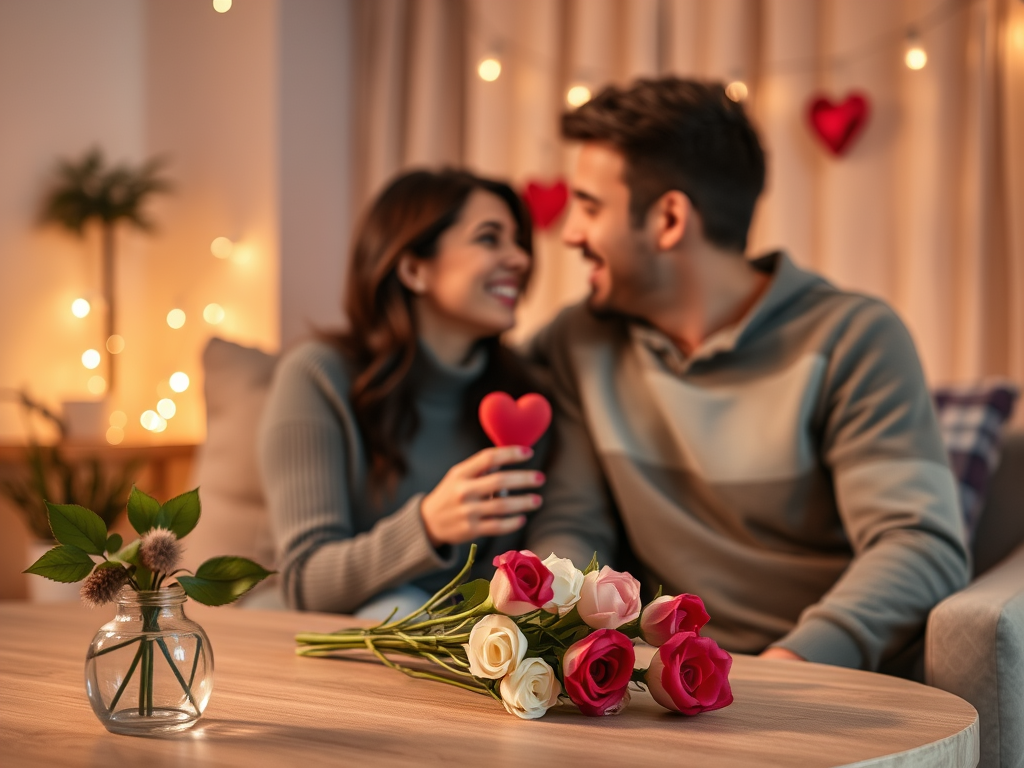
Why People Choose to Celebrate
For those who embrace Valentine’s Day, the reasons are often deeply rooted in intentionality. Life moves fast. Work deadlines, family obligations, and everyday stress have a way of pushing relationships into the background. Valentine’s Day, at its best, serves as a forced pause a reminder to acknowledge the person who shares your life.
There’s real psychological value in ritual. When people take time to express appreciation through a handwritten card, flowers, or even a simple conversation they reinforce emotional bonds. Relationships, much like anything else, require maintenance. Valentine’s Day provides a scheduled opportunity to invest in that maintenance.
It’s also important to recognize that celebration doesn’t have to be extravagant to be meaningful. Some of the strongest relationships aren’t built on expensive dinners but on consistent gestures over time. A small act, repeated annually, becomes symbolic. In my case, the flowers aren’t about participating in Valentine’s Day itself. They’re about consistency. They’re about showing that even without the fanfare, she’s still a priority.
For newer relationships, Valentine’s Day can also serve as a milestone marker. It’s a moment that defines progression first Valentine’s together, first shared traditions, first memories attached to a date that will return every year.
In that sense, Valentine’s Day can be less about the holiday and more about what it represents: intentional appreciation.
Why Some People Opt Out
At the same time, there are valid reasons people choose not to participate at all.
For many, Valentine’s Day feels commercialized. What may have started as a day rooted in sentiment has evolved into a retail-driven event. There’s pressure to spend money, to meet expectations, and to measure affection through purchases. That pressure can turn something meaningful into something performative.
Authenticity matters in relationships. Being told by a calendar to express love can feel artificial if that expression isn’t consistent throughout the rest of the year. For couples who prioritize daily appreciation, Valentine’s Day can seem redundant.
There’s also the issue of expectation imbalance. One partner may place heavy emotional significance on the day while the other does not. That mismatch can create unnecessary tension around what is, ultimately, just a date.
My wife and I made a quiet decision years ago not to build expectations around Valentine’s Day. We don’t avoid it out of principle or resentment. We simply don’t need it to validate what already exists. Our relationship was never built on annual gestures it was built on daily consistency.
And yet, I still bring her flowers.
Not because Valentine’s Day demands it, but because she deserves it.
The Middle Ground Most People Live In
The reality is that most people don’t fall into extreme positions. They aren’t fully invested in Valentine’s Day, nor do they completely reject it. They adapt it to fit their lives.
Some couples celebrate on a different day to avoid crowds. Others keep it simple. Some ignore it entirely. None of these approaches are inherently right or wrong.
What matters is alignment, shared understanding between partners about what the day means, or doesn’t mean.
Valentine’s Day shouldn’t be a test. It shouldn’t be a measure of how much someone cares based on how much they spend or how elaborate their plans are. Real relationships aren’t built in a single day. They’re built in the thousands of ordinary days that surround it.

What Valentine’s Day Really Reveals
If Valentine’s Day serves any purpose, it may simply be this: it reveals what already exists.
For some, it amplifies joy. For others, it exposes absence. For many, it passes quietly without much notice at all.
After nine years of marriage, I’ve learned that love doesn’t need a calendar reminder. It exists in routine, in reliability, and in the quiet moments no one else sees.
But every year, when Valentine’s Day arrives, I still stop and buy flowers.
Not because I have to.
Because I want to.
And maybe that’s the real point.


 Health to Wealth Ventures